Food Safety
search
Ask Food Safety AI
cart
facebook twitter linkedin instagram youtube
  • Sign In
  • Create Account
  • Sign Out
  • My Account
Food Safety
  • NEWS
    • Latest News
    • White Papers
  • PRODUCTS
  • TOPICS
    • Contamination Control
    • Food Types
    • Management
    • Process Control
    • Regulatory
    • Sanitation
    • Supply Chain
    • Testing and Analysis
  • PODCAST
  • EXCLUSIVES
    • Food Safety Five Newsreel
    • eBooks
    • FSM Distinguished Service Award
    • Interactive Product Spotlights
    • Videos
  • BUYER'S GUIDE
  • MORE
    • NEWSLETTERS >
      • Archive Issues
      • Subscribe to eNews
    • Store
    • Sponsor Insights
    • ASK FSM AI
  • WEBINARS
  • FOOD SAFETY SUMMIT
  • EMAG
    • eMagazine
    • Archive Issues
    • Editorial Advisory Board
    • Contact
    • Advertise
  • SIGN UP!
Process ControlPackaging

Embracing the Clean Label Movement
October 3, 2017

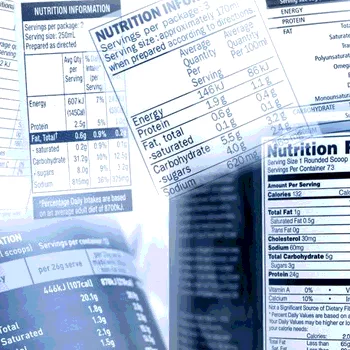
Many consumers look at the label when making decisions about their food choices, and most often they are looking for clean-label foods to complement their healthier lifestyle. According to the 2016 “Food and Health” survey from the International Food Information Council,[1] 47 percent of consumers look at the ingredients list when making a purchasing decision.

When asked how they define a “healthy eating style,” 41 percent of respondents chose “limited or no artificial ingredients or preservatives,” and when asked to define “natural” food, 29 percent said “associated with having no preservatives or additives.”

These factors directly influence purchasing decisions. When shopping for food, more than one quarter (27%) of consumers say that health concerns influence their choice of food, and nearly as many (23%) indicated that they are more likely to buy food with a health claim on the package than food without.

Clean labeling is affecting nearly half of food processing operations, according to The Association for Packaging and Processing Technologies’ 2017 Trends in Food Operations Report.[2] As consumer shopping habits are increasingly affected by the perceived healthiness of foods, brands must do more to display the health benefits of their products. Advances in smart packing, visual graphics and even package recyclability can help draw in today’s health conscious buyers.

Thinking outside the Box
Along with the desire to know what is in their food products, consumers also have a desire, and many times a need, to know more about what they are consuming. The North America active and intelligent packaging market is estimated to grow from $6.35 billion in 2016 to $9.34 billion by the end of 2021. Leading the market is the United States, with almost 85 percent of the market share. Printed electronics and the cloud are opening up new ways for brands to connect and share information with shoppers. Technologies incorporated or embedded in the package can convey nutrition information, allergy information, expiration dates and more.

It’s in the Eye of the Beholder
As consumers demand cleaner food and more transparency from brands, companies must find ways to help their products stand out among the hundreds of other healthy options. In 2016 alone, 4,591 new products carrying a U.S. Department of Agriculture-approved “no additives or preservatives” label were introduced to the market. The number of new genetically modified organism-free products amounted to 3,732: 3,011 were organic; 6,552 were low-to-no allergen; 6,123 were gluten-free and 5,056 claimed an environmentally friendly package. Each of these categories has grown year-by-year since at least 2009.

The proliferation of products with health claims creates a challenge for food manufacturers. Brands can look to special features like matte varnishes, clear panels and eye-catching visuals to help their products stand out on the shelf.
Increasingly, brands are gravitating toward using photographic elements in their packaging. Whether it’s an actual picture of the food inside the package or a bottle of pomegranate juice with a photo of a pomegranate on the front, including photographs of fresh foods offers shoppers a sense of trust in the healthiness of their food. Consumers want greater transparency.

When calling out benefits on the package, brands should include not just the nutritional value of the food but the environmentally friendly assets of the package itself. Innovations in product labeling show higher levels of recyclability, including de-steaming technology that helps separate labels from containers in the recycling process.

Reduce, Reuse, Recycle
According to a global CSR study by Cone Communications,[3] 91 percent of global consumers expect companies to operate responsibly and make efforts to address environmental concerns. The study also found that 84 percent of shoppers seek out environmentally responsible products whenever possible, and 71 percent would pay more for a sustainable product.

Packaging companies are providing more solutions that lessen a brand’s environmental impact in the factory and in the store.

Food and beverage packaging professionals are leading the clean label and sustainable packaging movement. As more companies make clean label claims, innovations in the packaging industry make it easier than ever for brands to call attention to the health and environmental benefits of their products.

Sean Riley is senior director of media and industry communications at The Association for Packaging and Processing Technologies.

References
1. www.foodinsight.org/sites/default/files/2016-Food-and-Health-Survey-Report_FINAL1.pdf.
2. www.pmmi.org/sites/default/files/Infographic_Food-Processing.pdf.
3. www.conecomm.com/research-blog/2017-csr-study.


Author(s): Sean Riley

Looking for quick answers on food safety topics?
Try Ask FSM, our new smart AI search tool.
Ask FSM →


Share This Story

Recommended Content

JOIN TODAY
to unlock your recommendations.

Already have an account? Sign In

  • people holding baby chicks

    Serovar Differences Matter: Utility of Deep Serotyping in Broiler Production and Processing

    This article discusses the significance of Salmonella in...
    Microbiological Control
    By: Nikki Shariat Ph.D.
  • woman washing hands

    Building a Culture of Hygiene in the Food Processing Plant

    Everyone entering a food processing facility needs to...
    Food Prep/Handling
    By: Richard F. Stier, M.S.
  • graphical representation of earth over dirt

    Climate Change and Emerging Risks to Food Safety: Building Climate Resilience

    This article examines the multifaceted threats to food...
    International
    By: Maria Cristina Tirado Ph.D., D.V.M. and Shamini Albert Raj M.A.
Manage My Account
  • eMagazine Subscription
  • Subscribe to Newsletters
  • Manage My Preferences
  • Website Registration
  • Subscription Customer Service

More Videos

Sponsored Content

Sponsored Content is a special paid section where industry companies provide high quality, objective, non-commercial content around topics of interest to the Food Safety Magazine audience. All Sponsored Content is supplied by the advertising company and any opinions expressed in this article are those of the author and not necessarily reflect the views of Food Safety Magazine or its parent company, BNP Media. Interested in participating in our Sponsored Content section? Contact your local rep!

close
  • Darkling Beetle
    Sponsored byElanco Animal Health

    Integrated Pest Management: Protecting Poultry Operations as Seasons Change

  • NEVIFIT 3 Compartment BPA-FREE
    Sponsored byCorbion

    The Risks of Ready-to-Eat: Five Ways to Protect Today's Prepared Meals

  • a group of workers in a food production facility
    Sponsored bySkillUp by Registrar Corp

    How to Build a Better Training Program: Data and Insights from the Global Food Safety Training Survey

Popular Stories

nara organics whole milk infant formula

Another Infant Botulism Outbreak Sickens Three, Nara Organics Formula Suspected Cause

diverse group of people wearing protective clothing in food production plant

EU Member States Report Challenges in Implementing Food Safety Culture Official Controls

logistics managers in warehouse talking looking at tablet

FDA Traceability Rule Readiness Exercises Reveal Supply Chain Coordination Matters More than Technology

Events

June 17, 2026

Living HACCP: Practical Steps for Implementation

Live: June 17, 2026, at 12:00 pm EDT: From this webinar, attendees will understand how social norms shape the way hazards are understood, how decisions are made, and how well risks are understood and acted on across companies.

June 25, 2026

Rethinking Food Safety: Eliminating Biofilm and Building a Smarter Food Safety System

Live: June 25, 2026 at 2:00 pm EDT: Join this webinar to explore a modern approach to decontamination that goes beyond surface-level cleaning to combat biofilm and persistent pathogens.

June 30, 2026

FSMA 204 in Practice: Building a Traceability-Ready Operation

Live: June 30, 2026 at 11:00 am EDT: Attend this webinar to learn how food businesses can move from fragmented records toward a more reliable approach for recall response, FDA requests, and supply chain visibility.

View All

Products

Global Food Safety Microbial Interventions and Molecular Advancements

Global Food Safety Microbial Interventions and Molecular Advancements

See More Products

Related Articles

  • How the clean label trend is changing the way supplement ingredients are perceived

    How the clean label trend is changing the way supplement ingredients are perceived

    See More
  • Clean-Label Advances in Meat Food Protection

    See More
  • default nutrition label

    Study reveals 'dangers' in presenting clean label products

    See More

Related Products

See More Products
  • 1119053595.jpg

    Food Safety for the 21st Century: Managing HACCP and Food Safety throughout the Global Supply Chain, 2E

  • 1119258073.jpg

    FSMA and Food Safety Systems: Understanding and Implementing the Rules

  • 9781138070912.jpg

    Trends in Food Safety and Protection

See More Products

Related Directories

  • Clean Works Corp.

    Clean Works is at the forefront of pioneering decontamination solutions that set the industry standard. Food sanitation solutions, award-winning gas-phase homogenous technology has been rigorously tested and has consistently demonstrated its effectiveness in eliminating up to 99.99% of pathogens and food-spoiling organisms, ensuring your produce is safe and fresh. We have successfully commercialized our technology in six countries, making a global impact.
×

Never miss the latest news and trends driving the food safety industry

Newsletters | Website | eMagazine

JOIN TODAY!
  • RESOURCES
    • Advertise
    • Contact Us
    • Directories
    • Store
    • Want More
  • SIGN UP TODAY
    • Create Account
    • eMagazine
    • Newsletters
    • Customer Service
    • Manage Preferences
  • SERVICES
    • Marketing Services
    • Reprints
    • Market Research
    • List Rental
    • Survey/Respondent Access
  • STAY CONNECTED
    • LinkedIn
    • Facebook
    • Instagram
    • X (Twitter)
  • PRIVACY
    • PRIVACY POLICY
    • TERMS & CONDITIONS
    • DO NOT SELL MY PERSONAL INFORMATION
    • PRIVACY REQUEST
    • ACCESSIBILITY

Copyright ©2026. All Rights Reserved BNP Media, Inc. and BNP Media II, LLC.

Design, CMS, Hosting & Web Development :: ePublishing