Food Safety
search
Ask Food Safety AI
cart
facebook twitter linkedin
  • Sign In
  • Create Account
  • Sign Out
  • My Account
Food Safety
  • NEWS
    • Latest News
    • White Papers
  • PRODUCTS
  • TOPICS
    • Contamination Control
    • Food Types
    • Management
    • Process Control
    • Regulatory
    • Sanitation
    • Supply Chain
    • Testing and Analysis
  • PODCAST
  • EXCLUSIVES
    • Food Safety Five Newsreel
    • eBooks
    • FSM Distinguished Service Award
    • Interactive Product Spotlights
    • Videos
  • BUYER'S GUIDE
  • MORE
    • ENEWSLETTER >
      • Archive Issues
      • Subscribe to eNews
    • Store
    • Sponsor Insights
    • ASK FSM AI
  • WEBINARS
  • FOOD SAFETY SUMMIT
  • EMAG
    • eMagazine
    • Archive Issues
    • Editorial Advisory Board
    • Contact
    • Advertise
  • SIGN UP!
Sanitation

Food Safety Audits 101: A Brief History and Preparation Essentials

February 1, 2011

With the changes from recent legislation and the numerous, occasionally competing, food safety standards in place, it can be daunting to know how to prepare for a food safety audit. FDA, USDA, GMPs, GFSI, HACCP, SQF, BRC, FSSC, IFS—the alphabet soup of shifting management programs and agency oversight—are enough to alarm even experienced quality assurance professionals.

Though different standards can measure various aspects of the manufacturing and distribution process in different ways, each is designed to improve food safety by reporting and measuring controls and activities such as cleaning, sanitizing and worker hygiene.

Depending on the facility and the standard under which it is being audited, specific requirements and their implementation will vary. However, manufacturers who have strong programs in place should think of audits as opportunities to identify how to further improve operations rather than something to be feared.

A Foundation in Good Manufacturing Practices
One overarching theme found in all of the Global Food Safety Initiative (GFSI)-recognized programs are suitability and cleanability to help assure the floors, walls, ceilings, equipment and personnel do not pose a potential risk to the food being produced. These food safety basics are not new—in many ways, they parallel the requirements published in the Code of Federal Regulations and apply to food manufacturing facilities regardless of whether they fall under regulation by the U.S. Department of Agriculture (USDA) or the U.S. Food and Drug Administration (FDA).

Industry-created standards, such as the GFSI-recognized programs like Safe Quality Food (SQF), British Retail Consortium (BRC), Food Safety System Certification (FSSC) and International Food Standard (IFS), lay out the rules that a manufacturer must follow in order to control the safety and quality of their product. The initial push for implementation and certification against these programs came primarily from the food retail community for their private label products, but in recent years, the push has extended to manufacturers of branded products as well as other players in the food production chain, such as ingredient manufacturers and manufacturers of food packaging materials, which come into direct contact with foods. A manufacturer must first implement the food safety management program and then have it audited and certified by a qualified, external, third party called a certification body. If the audit is successful, the facility is certified for 1 year.

Getting Your Ducks in a Row Before a Certification Audit
You have implemented your program and have completed your internal verification of your program. As you prepare for your certification audit, here are some basic tips that can help you:

•    Review the standards – Think of audits like a test in which all of the answers are provided. The standards by which your facility will be judged are clearly laid out, but it never hurts to review them again to see if any have been updated or changed since the last audit.

•    Conduct an internal pre-audit – Using a checklist with the latest standards that apply to your operation, schedule a daylong walk through of your facility to observe your processes from start to finish. Have a marked-up copy available for review. Try to look at operations from an outside perspective. Whatever the result of the pre-audit, fix any problems that are noted.

•    Document, document, document – Make sure that logbooks, product labels, date stamps, invoices, customer lists and other documents and records PROVE that you can recall products quickly. Be sure to download any logs you might need—some can be modified to address recordkeeping requirements for the audit, but make sure they provide the information needed to show the auditor that you are consistently meeting the standard's requirements and your own internal requirements.

Whatever the standard, Ecolab can help you prepare for an audit. Ecolab can provide public and on-site training and coaching to help ensure that your operation is running safely and efficiently and complying with appropriate standards. Through our Food Safety Institute, we offer classes taught by experienced, registered trainers on how to develop a food safety program to comply with the standard you wish to implement. For more information about training courses or for help preparing for your certification audit, contact us at Foodsafety@ecolab.com.

ecolab.com

>
Author(s): Ecolab

Looking for quick answers on food safety topics? Try Ask FSM, our new smart AI search tool. Ask FSM →

Share This Story

Recommended Content

JOIN TODAY
to unlock your recommendations.

Already have an account? Sign In

  • people holding baby chicks

    Serovar Differences Matter: Utility of Deep Serotyping in Broiler Production and Processing

    This article discusses the significance of Salmonella in...
    Methods
    By: Nikki Shariat Ph.D.
  • woman washing hands

    Building a Culture of Hygiene in the Food Processing Plant

    Everyone entering a food processing facility needs to...
    Food Prep/Handling
    By: Richard F. Stier, M.S.
  • graphical representation of earth over dirt

    Climate Change and Emerging Risks to Food Safety: Building Climate Resilience

    This article examines the multifaceted threats to food...
    Best Practices
    By: Maria Cristina Tirado Ph.D., D.V.M. and Shamini Albert Raj M.A.
Manage My Account
  • eMagazine Subscription
  • Subscribe to eNewsletter
  • Manage My Preferences
  • Website Registration
  • Subscription Customer Service

More Videos

Sponsored Content

Sponsored Content is a special paid section where industry companies provide high quality, objective, non-commercial content around topics of interest to the Food Safety Magazine audience. All Sponsored Content is supplied by the advertising company and any opinions expressed in this article are those of the author and not necessarily reflect the views of Food Safety Magazine or its parent company, BNP Media. Interested in participating in our Sponsored Content section? Contact your local rep!

close
  • Salmonella bacteria
    Sponsored byThermoFisher

    Food Microbiology Testing Methods: Salmonella species

  • a diagram explaining indicator organisms
    Sponsored byHygiena

    How Proactive Listeria Testing Helps Prevent Six- and Seven-Figure Recalls

  • woman grocery shopping
    Sponsored byCorbion

    Designing Safety Into Every Bite: Proactive Risk Mitigation for Refrigerated Foods

Popular Stories

researcher dropping liquid in petri dishes

First-of-its-Kind Study Shows How Listeria Strains Evolve Into Strong Biofilm Formers

us capitol

MAHA Pushback Kills ‘Big Food’-Aligned Legislative Effort to Stop State Food Laws

restaurant kitchen training

Practical Training Aids for Effective Food Safety Training

Events

November 11, 2025

Feeding the Future: How Lessons From 2025 Will Shape 2026

Live: November 11, 2025 at 10:00 am EST: This webinar will bring together LRQA experts and industry leaders to explore how lessons from 2025 will shape 2026, focusing on building resilient, digitally enabled, and consumer-trusted food systems.

November 18, 2025

Dry Sanitation and Cleaning Techniques for Facilities and Equipment

Live: November 18, 2025 at 12:00 pm EDT: From this webinar, attendees will learn best practices employed by dry/low-moisture food processors for dry sanitation and equipment cleaning.

November 20, 2025

New U.S. Additive Bans: How to Prepare and Protect Your Brand

Live: November 20, 2025 at 11:00 am EST: From this webinar, attendees will learn the impact of ingredient restrictions on product development, sourcing, labeling, and market access.

View All

Products

Global Food Safety Microbial Interventions and Molecular Advancements

Global Food Safety Microbial Interventions and Molecular Advancements

See More Products

Related Articles

  • Food Safety Matters Podcast

    Ep. 200: A Celebration of Food Safety Matters Podcast History

    See More
  • receiving dock

    Food defense has become a critical aspect of food safety audits

    See More
  • Food Safety Brief Aims to Aid WV Firms Facing Water Contamination

    See More

Related Products

See More Products
  • 1119053595.jpg

    Food Safety for the 21st Century: Managing HACCP and Food Safety throughout the Global Supply Chain, 2E

  • 9781498721776.jpg

    Handbook of Food Processing: Food Safety, Quality, and Manufacturing Processes

  • 1119160553.jpg

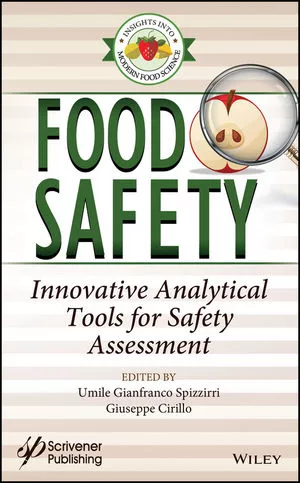
    Food Safety: Innovative Analytical Tools for Safety Assessment

See More Products

Events

View AllSubmit An Event
  • March 4, 2025

    Navigating Food Safety Audits: Expert Tips and Best Practices

    On Demand: This webinar will explore the importance of audits, the types of audits to anticipate, and step-by-step guidance to ensure a seamless experience.
View AllSubmit An Event

Related Directories

  • Food Safety and Quality Consultants LLC

    Food Safety and Quality Consultants, LLC (FSQC) is a professional full-service food safety and quality consulting firm offering a complete line of training, consulting, and auditing services to meet your needs. We will help you turn the complicated into compliance by making your food safety systems simple and effective!
×

Never miss the latest news and trends driving the food safety industry

eNewsletter | Website | eMagazine

JOIN TODAY!
  • RESOURCES
    • Advertise
    • Contact Us
    • Directories
    • Store
    • Want More
  • SIGN UP TODAY
    • Create Account
    • eMagazine
    • eNewsletter
    • Customer Service
    • Manage Preferences
  • SERVICES
    • Marketing Services
    • Reprints
    • Market Research
    • List Rental
    • Survey/Respondent Access
  • STAY CONNECTED
    • LinkedIn
    • Facebook
    • Instagram
    • X (Twitter)
  • PRIVACY
    • PRIVACY POLICY
    • TERMS & CONDITIONS
    • DO NOT SELL MY PERSONAL INFORMATION
    • PRIVACY REQUEST
    • ACCESSIBILITY

Copyright ©2025. All Rights Reserved BNP Media.

Design, CMS, Hosting & Web Development :: ePublishing