Food Safety
search
Ask Food Safety AI
cart
facebook twitter linkedin instagram youtube
  • Sign In
  • Create Account
  • Sign Out
  • My Account
Food Safety
  • NEWS
    • Latest News
    • Sponsored Insights
    • Sponsored White Papers
  • PRODUCTS
  • TOPICS
    • Contamination Control
    • Food Types
    • Management
    • Process Control
    • Regulatory
    • Sanitation
    • Supply Chain
    • Testing and Analysis
  • PODCAST
  • EXCLUSIVES
    • Food Safety Five Newsreel
    • eBooks
    • FSM Distinguished Service Award
    • Interactive Product Spotlights
    • Videos
  • BUYER'S GUIDE
  • MORE
    • NEWSLETTERS >
      • Archive Issues
      • Subscribe to eNews
    • Store
    • ASK FSM AI
  • WEBINARS
  • FOOD SAFETY SUMMIT
  • EMAG
    • eMagazine
    • Archive Issues
    • Editorial Advisory Board
    • Contact
    • Advertise
  • SIGN UP!
News

Food Safety Brief Aims to Aid WV Firms Facing Water Contamination

January 10, 2014


Editor's Note: In response to a disastrous Jan. 9 chemical spill that contaminated the water supply in nine West Virginia counties, affecting at least 300,000 people, Steritech has made available a Water Contamination Food Safety Brief to help foodservice operators and food retailers develop temporary alternative procedures.

Although the brief is geared to the current situation in West Virginia, we at Food Safety Magazine feel the content could be useful to foodservice and food retail operations anywhere, any time a water contamination incident may occur. Below, we provide the Summary and Introduction to the brief. The complete document, a 142 KB PDF, may be downloaded here.


Summary

On Friday, Jan. 10, 2014, the White House issued a federal disaster declaration in West Virginia as the result of a chemical spill on Jan. 9 that contaminated the water supply. West Virginia governor Earl Ray Tomblin had issued a state of emergency on Thursday evening for nine counties serviced by West Virginia American Water in Kanawha, Cabell, Boone, Putnam, Lincoln, Logan, Clay, Roane, and Jackson counties. It is believed that more than 300,000 people are impacted.

Water contaminated by this chemical can cause burning of the skin, eyes, and mouth/throat. It is critical that water not be used for drinking, food preparation, washing dishes or utensils, bathing, brushing teeth, washing clothes, or feeding/watering animals or any other action that could lead to injury.

This document outlines steps to be taken in the event of a contaminated water supply. However, it is a general guideline and does not supersede directives issued by West Virginia authorities. Any instruction given by local authorities should be followed at all times. Updates are happening frequently, and this document may not contain the most recent directives.

Introduction

The following guidelines are intended to assist with the development of temporary alternative procedures to address various food operations that are affected by this chemical spill. It is important that the manager or person-in-charge ensures that if these temporary procedures are needed, they are strictly followed and all operations operate in compliance with food safety requirements and in accordance with the local regulatory authority.


Steritech is a Charlotte, NC-based provider of brand protection services — including audits, consulting, training, customer experience management and pest prevention — to companies in the supermarket, hotel, restaurant, and retail industries.


Author(s): Heidi Parsons

Looking for quick answers on food safety topics?
Try Ask FSM, our new smart AI search tool.
Ask FSM →


Share This Story

Recommended Content

JOIN TODAY
to unlock your recommendations.

Already have an account? Sign In

  • people holding baby chicks

    Serovar Differences Matter: Utility of Deep Serotyping in Broiler Production and Processing

    This article discusses the significance of Salmonella in...
    Testing & Analysis
    By: Nikki Shariat Ph.D.
  • woman washing hands

    Building a Culture of Hygiene in the Food Processing Plant

    Everyone entering a food processing facility needs to...
    Facilities
    By: Richard F. Stier, M.S.
  • graphical representation of earth over dirt

    Climate Change and Emerging Risks to Food Safety: Building Climate Resilience

    This article examines the multifaceted threats to food...
    Management
    By: Maria Cristina Tirado Ph.D., D.V.M. and Shamini Albert Raj M.A.
Manage My Account
  • eMagazine Subscription
  • Subscribe to Newsletters
  • Manage My Preferences
  • Website Registration
  • Subscription Customer Service

More Videos

Sponsored Content

Sponsored Content is a special paid section where industry companies provide high quality, objective, non-commercial content around topics of interest to the Food Safety Magazine audience. All Sponsored Content is supplied by the advertising company and any opinions expressed in this article are those of the author and not necessarily reflect the views of Food Safety Magazine or its parent company, BNP Media. Interested in participating in our Sponsored Content section? Contact your local rep!

close
  • an automated industrial production line used in a modern food factory
    Sponsored byIFC

    A Formula for Food Processing Pest Management

  • fly
    Sponsored byOrkin Commercial

    Fly Control in Food Processing Facilities: Managing Seasonal Food Safety Risks

  • Darkling Beetle
    Sponsored byElanco Animal Health

    Integrated Pest Management: Protecting Poultry Operations as Seasons Change

Popular Stories

taco bell storefront

FDA Says a Taco Bell Iceberg Lettuce Supplier is Source of Five-State Cyclosporiasis Outbreak

head of iceberg lettuce

Taylor Farms Lettuce Cyclosporiasis Outbreak Expands to Nine States; CDC Reports Nearly 2,000 Cases, State Counts Exceed 10,000

bowl of chopped fresh produce salad ingredients

How the U.S. Cyclospora Outbreak Reflects a Strained National Foodborne Illness Surveillance System

building a skilled workforce ebook

Events

August 6, 2026

Beyond Sanitation: Understanding the Hidden System Conditions That Allow Pathogens to Persist

Live: August 6, 2026 at 2:00 pm EDT: Attend this webinar to learn strategies for strengthening environmental control programs through a layered approach to pathogen management.

August 11, 2026

Beyond Sanitization: Reducing Contamination Risk Without Raising Operating Cost

Live: August 11, 2026 at 2:00 pm EDT: Attend this webinar to learn why ambient air is the largest and most overlooked contamination zone in food processing, and what it costs you between scheduled cleans.

August 25, 2026

Don’t Wing It: Bird Control for Food Processing Facilities

Live: August 25, 2026 at 2:00 pm EDT: This webinar will cover why managing bird activity should be a priority for your business, the complexities involved in effective bird control, and proactive strategies to help protect your facility.

View All

Products

Global Food Safety Microbial Interventions and Molecular Advancements

Global Food Safety Microbial Interventions and Molecular Advancements

See More Products

Related Articles

  • person using laptop to access information

    Researchers Develop Open Access Mass Spectral Library of Chemicals to Aid Food Safety Testing

    See More
  • skittles tumbling out of a glass bowl tipped on its side

    New Illinois Bill Aims to Ban Same Four Toxic Food Additives as California Food Safety Act

    See More
  • singapore flag

    Singapore Aims to Promote Novel Food Innovation, Bolster Food Safety With Proposed Bill, New Food Science Center

    See More

Related Products

See More Products
  • 1119053595.jpg

    Food Safety for the 21st Century: Managing HACCP and Food Safety throughout the Global Supply Chain, 2E

  • 9781498721776.jpg

    Handbook of Food Processing: Food Safety, Quality, and Manufacturing Processes

  • food safety.jpg

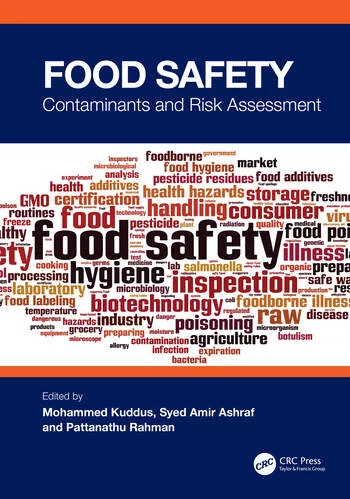
    Food Safety Contaminants and Risk Assessment

See More Products

Events

View AllSubmit An Event
  • June 25, 2026

    Rethinking Food Safety: Eliminating Biofilm and Building a Smarter Food Safety System

    On Demand: Join this webinar to explore a modern approach to decontamination that goes beyond surface-level cleaning to combat biofilm and persistent pathogens.
View AllSubmit An Event

Related Directories

  • Active Food Safety

    Active Food Safety consists of an experienced team of food safety professionals who are thought-leaders in the food industry, and have each led enterprise level food safety management programs in several of the most well-known and respected brands in the food industry. We continuously help our clients ensure food safety based on proven business best practices designed specifically to the brand - to maximize risk reduction to prevent foodborne disease illnesses and outbreaks, to meet all government regulatory requirements, and to improve sales and brand reputation.
  • Schneider Food Safety Services

    We are a boutique regulatory (FDA/USDA) consulting firm, and we support companies with FSMA 204 traceability compliance and other regulated processes.
  • Food Safety News

    Food Safety News advances public health by delivering timely, accurate, and comprehensive coverage of foodborne illness outbreaks, recalls, and regulatory developments that impact the safety of our global food supply.
×

Never miss the latest news and trends driving the food safety industry

Newsletters | Website | eMagazine

JOIN TODAY!
  • RESOURCES
    • Advertise
    • Contact Us
    • Directories
    • Store
    • Want More
  • SIGN UP TODAY
    • Create Account
    • eMagazine
    • Newsletters
    • Customer Service
    • Manage Preferences
  • SERVICES
    • Marketing Services
    • Reprints
    • Market Research
    • List Rental
    • Survey/Respondent Access
  • STAY CONNECTED
    • LinkedIn
    • Facebook
    • Instagram
    • X (Twitter)
  • PRIVACY
    • PRIVACY POLICY
    • TERMS & CONDITIONS
    • DO NOT SELL MY PERSONAL INFORMATION
    • PRIVACY REQUEST
    • ACCESSIBILITY

Copyright ©2026. All Rights Reserved BNP Media, Inc. and BNP Media II, LLC.

Design, CMS, Hosting & Web Development :: ePublishing