Food Safety
search
Ask Food Safety AI
cart
facebook twitter linkedin instagram youtube
  • Sign In
  • Create Account
  • Sign Out
  • My Account
Food Safety
  • NEWS
    • Latest News
    • Food Safety Five Newsreel
  • PRODUCTS
  • TOPICS
    • Contamination Control
    • Food Types
    • Management
    • Process Control
    • Regulatory
    • Sanitation
    • Supply Chain
    • Testing and Analysis
  • PODCAST
  • EXCLUSIVES
    • eBooks
    • Sponsored Insights
    • Sponsored White Papers
    • FSM Distinguished Service Award
    • Interactive Product Spotlights
    • Videos
  • MORE
    • BUYER'S GUIDE
    • NEWSLETTERS >
      • Archive Issues
      • Subscribe to eNews
    • Store
    • ASK FSM AI
  • WEBINARS
  • FOOD SAFETY SUMMIT
  • FSM FEATURES
    • FSM Features Collection
    • eMag Archives
    • Editorial Advisory Board
    • Contact
    • Advertise
  • SIGN UP!
Products

Inteprity for Extended Poultry Feeding Programs

Inteprity for extended feeding programs

Kharkhan_Oleg / iStock / Getty Images Plus 

November 15, 2021

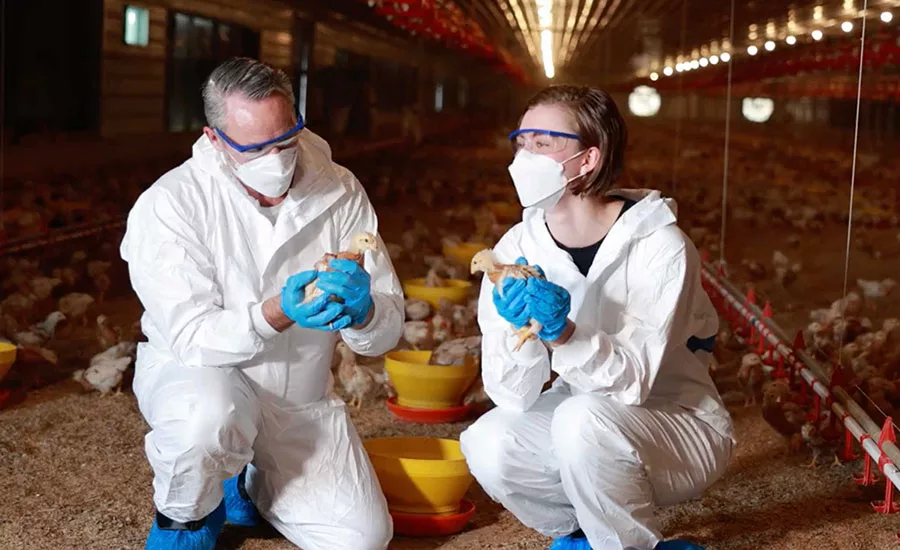
Necrotic enteritis (NE) is a constant concern in the poultry industry. It is one of the most common and costly poultry diseases, with an estimated cost to the U.S. poultry industry of $0.05 or more per bird. To help combat NE in flocks, poultry producers can implement Inteprity from Elanco for extended feeding programs, which helps support healthier birds, better profitability, and healthier choices. The first-in-class, animal-use-only, in-feed antibiotic has a variety of benefits, including reducing rotational frequency with multiple cycles.

Reduce Rotational Frequency with Multiple Cycles

New field trial research shows that poultry producers can use Inteprity for multiple cycles to prevent the mortality caused by NE and improve Intestinal Integrity (I2) scores without losing efficacy or risking resistance, compared to frequent rotations. For example:

  • Feeding Inteprity for multiple cycles (18 months) resulted in a steady I2 index score improvement
  • Inteprity fed for 9 months maintained I2 stability
  • Frequently rotating Inteprity (every 4.5 months) showed a marked deterioration in I2 index score.

Improve Key Lesion Scores with Continuous Use
The same data shows key lesion scores improved by using Inteprity for multiple cycles (18 months):

  • Mucus, cellular sloughing, and feed passage incidence all decreased
  • All other scores observed, including water content, NE, and gizzard, remained stable and low. 

By utilizing the innovation and flexibility of Inteprity, poultry producers can help keep their birds healthy while maximizing profitability. 


Elanco | www.elanco.com/en-us

Looking for quick answers on food safety topics?
Try Ask FSM, our new smart AI search tool.
Ask FSM →

KEYWORDS: Elanco poultry

Share This Story

Recommended Content

JOIN TODAY
to unlock your recommendations.

Already have an account? Sign In

  • people holding baby chicks

    Serovar Differences Matter: Utility of Deep Serotyping in Broiler Production and Processing

    This article discusses the significance of Salmonella in...
    Testing & Analysis
    By: Nikki Shariat Ph.D.
  • woman washing hands

    Building a Culture of Hygiene in the Food Processing Plant

    Everyone entering a food processing facility needs to...
    Training
    By: Richard F. Stier, M.S.
  • graphical representation of earth over dirt

    Climate Change and Emerging Risks to Food Safety: Building Climate Resilience

    This article examines the multifaceted threats to food...
    Management
    By: Maria Cristina Tirado Ph.D., D.V.M. and Shamini Albert Raj M.A.
Manage My Account
  • eMagazine Subscription
  • Subscribe to Newsletters
  • Manage My Preferences
  • Website Registration
  • Subscription Customer Service

More Videos

Sponsored Content

Sponsored Content is a special paid section where industry companies provide high quality, objective, non-commercial content around topics of interest to the Food Safety Magazine audience. All Sponsored Content is supplied by the advertising company and any opinions expressed in this article are those of the author and not necessarily reflect the views of Food Safety Magazine or its parent company, BNP Media. Interested in participating in our Sponsored Content section? Contact your local rep!

close
  • Top view portrait of two factory workers standing by conveyor belt during quality inspection at food production, copy space
    Sponsored byFlexXray

    Foreign Material By the Numbers: What the 2026 Benchmark Report Reveals

  • a conveyorized industrial metal detector system that appears to resemble a Loma Systems IQ4 Metal Detector setup with an integrated conveyor belt and control panel for food or package inspection.
    Sponsored byMettler Toledo

    Beyond Detection: How to Avoid Physical Contamination in Food Through a Smarter Inspection Strategy

  • The image displays a bottling plant production line, commonly used in the beverage industry for filling and packaging soft drinks.
    Sponsored byBIOIONIX

    Sustainability with ROI: A Beverage Producer Case Study in Water Savings

Popular Stories

chemicals in beakers fda logo overlay

FDA Quietly Included Provision in GRAS Proposed Rule to Expand One ‘Loophole’ While Tightening Another

Genome sequencing data and lab equipment

Whole Genome Sequencing in Food Safety: Non-Technical Systems Barriers and Opportunities for Enhanced Global Use

pistachios in shell

Study Suggests Bleaching of Tree Nuts Produces Potentially Toxic Chemical Byproducts

allergens ebook

Events

October 29, 2026

FDA Proposes Major GRAS Reform: What It Could Mean for Your Business

Live: October 29, 2026 at 2:00 pm EDT: Attend this webinar to examine potential implications for self-GRAS, Flavor and Extract Manufacturers Association (FEMA) GRAS, and food-contact substances.

November 5, 2026

How Middle Managers Shape Food Safety Culture and Risk Performance

Live: November 5, 2026 at 11:00 am EST: From this webinar, attendees will learn how investing in middle managers improves both FSQ strategy implementation and accountability across all levels of the company.

November 12, 2026

From Data Overload to Actionable Food Safety Risk Intelligence

Live: November 12, 2026 at 11:00 am EST: This webinar explores how data integration, advanced analytics, and digital technologies can help transform disparate information into meaningful risk intelligence.

View All

Products

Global Food Safety Microbial Interventions and Molecular Advancements

Global Food Safety Microbial Interventions and Molecular Advancements

See More Products

Related Articles

  • hygiena logo.png

    Hygiena’s AOAC-Research Institute Validation for the BAX System Real-Time PCR Assay Suite for STEC Extended

    See More
  • Early Registration Extended for OSU Nonthermal Processing Workshop, Short Course

    See More
  • Comment Period Extended for Escherichia coli (STEC) Survey

    See More

Related Products

See More Products
  • 9781138198463.jpg

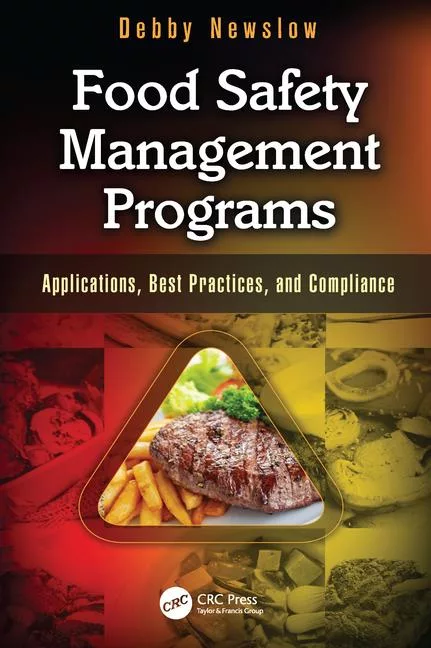
    Food Safety Management Programs: Applications, Best Practices, and Compliance

  • 1119160553.jpg

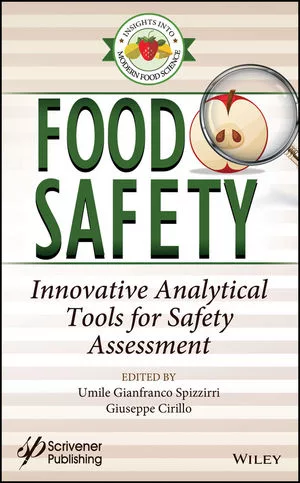
    Food Safety: Innovative Analytical Tools for Safety Assessment

  • 1119053595.jpg

    Food Safety for the 21st Century: Managing HACCP and Food Safety throughout the Global Supply Chain, 2E

See More Products

Events

View AllSubmit An Event
  • November 11, 2025

    Feeding the Future: How Lessons From 2025 Will Shape 2026

    On Demand: This webinar will bring together LRQA experts and industry leaders to explore how lessons from 2025 will shape 2026, focusing on building resilient, digitally enabled, and consumer-trusted food systems.
View AllSubmit An Event

Related Directories

  • Citi Program, a Div. of Brany

    CITI Program will continue to expand to meet the ever-growing needs of the research, healthcare, technology, and educational organizations that rely on us to train learners globally. We plan to continue to build new content offerings, invest in enhancing the learning management features and delivery, and continuously improve the quality and value of our program. As CITI Program enters its third decade, we will aim to remain a trusted partner and the preeminent choice for organizations to meet their training needs.
  • Michigan State University Online Food Safety Program

    The MSU Online Food Safety program offers a master’s degree and a graduate certificate, both fully online and grounded in a science driven curriculum. Designed for working professionals, the program provides flexible learning while equipping students with practical knowledge to address evolving food safety and public health challenges with confidence.
×

Never miss the latest news and trends driving the food safety industry

Newsletters | Website | FSM Features Collection

JOIN TODAY!
  • RESOURCES
    • Advertise
    • Contact Us
    • Directories
    • Store
    • Want More
  • SIGN UP TODAY
    • Create Account
    • eMagazine
    • Newsletters
    • Customer Service
    • Manage Preferences
  • SERVICES
    • Marketing Services
    • Reprints
    • Market Research
    • List Rental
    • Survey/Respondent Access
  • STAY CONNECTED
    • LinkedIn
    • Facebook
    • Instagram
    • X (Twitter)
  • PRIVACY
    • PRIVACY POLICY
    • TERMS & CONDITIONS
    • DO NOT SELL MY PERSONAL INFORMATION
    • PRIVACY REQUEST
    • ACCESSIBILITY

Copyright ©2026. All Rights Reserved BNP Media, Inc. and BNP Media II, LLC.

Design, CMS, Hosting & Web Development :: ePublishing