Food Safety
search
Ask Food Safety AI
cart
facebook twitter linkedin
  • Sign In
  • Create Account
  • Sign Out
  • My Account
Food Safety
  • NEWS
    • Latest News
    • White Papers
  • PRODUCTS
  • TOPICS
    • Contamination Control
    • Food Types
    • Management
    • Process Control
    • Regulatory
    • Sanitation
    • Supply Chain
    • Testing and Analysis
  • PODCAST
  • EXCLUSIVES
    • Food Safety Five Newsreel
    • eBooks
    • FSM Distinguished Service Award
    • Interactive Product Spotlights
    • Videos
  • BUYER'S GUIDE
  • MORE
    • ENEWSLETTER >
      • Archive Issues
      • Subscribe to eNews
    • Store
    • Sponsor Insights
    • ASK FSM AI
  • WEBINARS
  • FOOD SAFETY SUMMIT
  • EMAG
    • eMagazine
    • Archive Issues
    • Editorial Advisory Board
    • Contact
    • Advertise
  • SIGN UP!
White Papers

How to Increase Food Safety Using High-Performance Weighing

June 11, 2018

In every food manufacturing and processing industry, accurate weighing proves to be an important step to maintain the integrity and quality of food products. Different processes and equipment in food processing and storage industries are exposed to extreme temperatures and physical factors. This makes it necessary to maintain good weighing practices to ensure the longevity of the weighing scales and get accurate measurements. In this article, we will look at three good weighing practices and different types of scales you can employ in a food processing plant.

3 Good Weighing Practices

Regular Calibration
It is important to produce accurate measurements, however, even the best weighing scales can lean towards inaccuracies if they are not calibrated frequently. Check for measurement uncertainty in each scale and correct the error. It is critical to factor the disparity between a food’s weight under normal and frozen conditions and calibrate the scales to eliminate the difference. The weight of the food may also vary at the beginning and end of the processing line, i.e., when the food is frozen through various stages. Determine the frequency of calibration to keep the scales optimum so that they produce accurate results.

Maintaining Cleanliness
There is a high probability of frozen liquid being accumulated on the scales in sub-zero conditions or frozen food getting stuck on them. This affects the accuracy of the reading. It is important to maintain cleanliness and hygiene for accuracy and safety reasons. You must clean the surfaces without affecting or damaging the scales. Employ appropriate cleaning techniques and use the right materials to keep the scales clean.

Considering Temperature and Environmental Factors
Processing, packaging and storing different food products require different temperatures. It is important to understand how these temperatures affect the weighing scales. Take precautionary steps to protect the weighing system from various environmental damages like rust, pitting or cracks. 

4 Types of Weighing Scales

Bench and Floor Scales
These are used mainly for shipping, receiving or sorting inventory. Bench and floor scales weigh goods with extremely high accuracy and reduce the likelihood of revenue loss. These are available in stainless steel for food processing environments where sanitary and hygienic conditions are strict and rugged. They also come in mild steel for warehousing or goods in/out applications where you can set palletized loads on to a floor scale using a forklift.

Vehicle Scales
In order to manage inventory and billing properly in the food processing environment, you need to document and weigh the inbound as well as the outbound freight. Due to the high cost of fuel, it is essential that the bulk carriers balance the need for optimal loading while keeping the operations safe. Weighbridges, truck scales and axle weighing systems help in ensuring that both incoming and outgoing loads are weighed quickly and accurately.

Looking for quick answers on food safety topics? Try Ask FSM, our new smart AI search tool. Ask FSM →

Conveyor Scales
Conveyor belt scales improve the processing speed by reducing lifting and increasing throughput, thus proving beneficial in processes where accuracy and speed impact the profitability. The scales operate while the conveyor is in motion and can weigh individual cartons, boxes and unpackaged products like different cuts of meat. They are simple to install and can be easily integrated with label printers, computers and scanners.

Checkweighers
In any food production line, accurate yet fast checkweighing can make a huge difference to the company’s profits. Overweight packages will cut into production costs and lead to costly giveaways and overweight shipments, while underweight packages will guarantee unhappy and dissatisfied customers. They have simple operator interface and an easy-to-read display. Apart from accurate readings, they provide visibility of weighing data and statistics that help in maximizing performance and profitability.

Install the right weighing system and implement the best weighing practices based on your processes to achieve high productivity and efficiency.

Kevin Hill heads the marketing efforts at Quality Scales Unlimited in Byron, CA.


Author(s): Kevin Hill

Share This Story

Recommended Content

JOIN TODAY
to unlock your recommendations.

Already have an account? Sign In

  • people holding baby chicks

    Serovar Differences Matter: Utility of Deep Serotyping in Broiler Production and Processing

    This article discusses the significance of Salmonella in...
    Meat/Poultry
    By: Nikki Shariat Ph.D.
  • woman washing hands

    Building a Culture of Hygiene in the Food Processing Plant

    Everyone entering a food processing facility needs to...
    Personal Hygiene/Handwashing
    By: Richard F. Stier, M.S.
  • graphical representation of earth over dirt

    Climate Change and Emerging Risks to Food Safety: Building Climate Resilience

    This article examines the multifaceted threats to food...
    Contamination Control
    By: Maria Cristina Tirado Ph.D., D.V.M. and Shamini Albert Raj M.A.
Manage My Account
  • eMagazine Subscription
  • Subscribe to eNewsletter
  • Manage My Preferences
  • Website Registration
  • Subscription Customer Service

More Videos

Sponsored Content

Sponsored Content is a special paid section where industry companies provide high quality, objective, non-commercial content around topics of interest to the Food Safety Magazine audience. All Sponsored Content is supplied by the advertising company and any opinions expressed in this article are those of the author and not necessarily reflect the views of Food Safety Magazine or its parent company, BNP Media. Interested in participating in our Sponsored Content section? Contact your local rep!

close
  • Salmonella bacteria
    Sponsored byThermoFisher

    Food Microbiology Testing Methods: Salmonella species

  • a diagram explaining indicator organisms
    Sponsored byHygiena

    How Proactive Listeria Testing Helps Prevent Six- and Seven-Figure Recalls

  • woman grocery shopping
    Sponsored byCorbion

    Designing Safety Into Every Bite: Proactive Risk Mitigation for Refrigerated Foods

Popular Stories

newborn earing from bottle

Infants Nationwide Hospitalized With Botulism After Consuming ByHeart Formula

researcher dropping liquid in petri dishes

First-of-its-Kind Study Shows How Listeria Strains Evolve Into Strong Biofilm Formers

us capitol

MAHA Pushback Kills ‘Big Food’-Aligned Legislative Effort to Stop State Food Laws

Events

November 18, 2025

Dry Sanitation and Cleaning Techniques for Facilities and Equipment

Live: November 18, 2025 at 12:00 pm EDT: From this webinar, attendees will learn best practices employed by dry/low-moisture food processors for dry sanitation and equipment cleaning.

November 20, 2025

New U.S. Additive Bans: How to Prepare and Protect Your Brand

Live: November 20, 2025 at 11:00 am EST: From this webinar, attendees will learn the impact of ingredient restrictions on product development, sourcing, labeling, and market access.

December 4, 2025

Beyond Detection: How Integrated PCR Diagnostics Strengthen Food Safety in RTE Manufacturing

Live: December 4, 2025 at 2:00 pm EST: From this webinar, attendees will learn best practices for prevention of FM contamination at the corporate and plant levels.

View All

Products

Global Food Safety Microbial Interventions and Molecular Advancements

Global Food Safety Microbial Interventions and Molecular Advancements

See More Products

Related Articles

  • Food Safety Summit

    Food Safety Summit: How to Prepare for, Manage and Survive a High-Profile Food Safety Crisis

    See More
  • Packaging Progressions Drew Ward

    How advanced interleaving material technology can increase shelf life, improve food safety

    See More

Related Products

See More Products
  • 1118396308.jpg

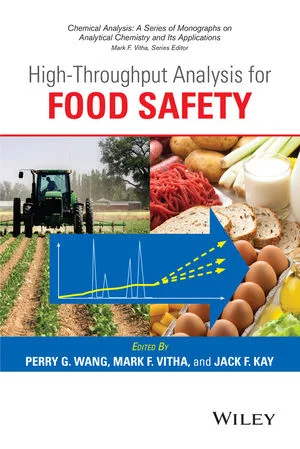
    High Throughput Analysis for Food Safety

  • 1119053595.jpg

    Food Safety for the 21st Century: Managing HACCP and Food Safety throughout the Global Supply Chain, 2E

  • 1119160553.jpg

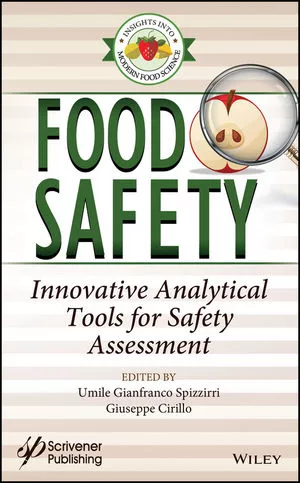
    Food Safety: Innovative Analytical Tools for Safety Assessment

See More Products

Related Directories

  • Michigan State University Online Food Safety Program

    MSU's Online Food Safety program strives to educate professionals on how to make global food systems safe. The program consists of a master’s degree and graduate certificate, both entirely online. Each program will provide students with applicable knowledge to navigate the ever-changing concerns surrounding food safety, food protection, and public health.
  • SafetyChain Software

    SafetyChain is a digital plant management platform trusted by more than 2,500 food and beverage manufacturing facilities to improve plant-wide performance. It unifies production and quality teams with data and insights, tools, and delivers real-time operational visibility and control by eliminating paper and point solutions.
×

Never miss the latest news and trends driving the food safety industry

eNewsletter | Website | eMagazine

JOIN TODAY!
  • RESOURCES
    • Advertise
    • Contact Us
    • Directories
    • Store
    • Want More
  • SIGN UP TODAY
    • Create Account
    • eMagazine
    • eNewsletter
    • Customer Service
    • Manage Preferences
  • SERVICES
    • Marketing Services
    • Reprints
    • Market Research
    • List Rental
    • Survey/Respondent Access
  • STAY CONNECTED
    • LinkedIn
    • Facebook
    • Instagram
    • X (Twitter)
  • PRIVACY
    • PRIVACY POLICY
    • TERMS & CONDITIONS
    • DO NOT SELL MY PERSONAL INFORMATION
    • PRIVACY REQUEST
    • ACCESSIBILITY

Copyright ©2025. All Rights Reserved BNP Media.

Design, CMS, Hosting & Web Development :: ePublishing