Food Safety
search
Ask Food Safety AI
cart
facebook twitter linkedin
  • Sign In
  • Create Account
  • Sign Out
  • My Account
Food Safety
  • NEWS
    • Latest News
    • White Papers
  • PRODUCTS
  • TOPICS
    • Contamination Control
    • Food Types
    • Management
    • Process Control
    • Regulatory
    • Sanitation
    • Supply Chain
    • Testing and Analysis
  • PODCAST
  • EXCLUSIVES
    • Food Safety Five Newsreel
    • eBooks
    • FSM Distinguished Service Award
    • Interactive Product Spotlights
    • Videos
  • BUYER'S GUIDE
  • MORE
    • ENEWSLETTER >
      • Archive Issues
      • Subscribe to eNews
    • Store
    • Sponsor Insights
    • ASK FSM AI
  • WEBINARS
  • FOOD SAFETY SUMMIT
  • EMAG
    • eMagazine
    • Archive Issues
    • Editorial Advisory Board
    • Contact
    • Advertise
  • SIGN UP!
News

NASDA: $100M Needed Annually for Proper FSMA Implementation
April 4, 2017

This week, the National Association of State Departments of Agriculture (NASDA) issued a request to Congress regarding spending for fiscal year 2018. The purpose, according to the letter, is to encourage lawmakers “to support vital programs to ensure a safe, affordable, and abundant food supply.” Part of NASDA’s request is additional funding--specifically $100 million per year-- for the implementation of the Food Safety Modernization Act (FSMA).

To support this substantial request, NASDA’s statement reads:

NASDA urges the committee to provide sufficient funding for FSMA implementation. NASDA requests the committee to continue to increase funding for the state implementation activities that are required by FSMA. While the U.S. Food and Drug Administration (FDA) is charged with writing the rules, significant implementation and enforcement activities under FSMA are the primary responsibilities of state agencies. It is crucial that Congress provide sufficient resources so as to avoid unfunded mandates on the states and to ensure farmers have the tools and education necessary to comply with these new federal requirements. Moreover, NASDA continues to insist that FDA get the rules right. The combination of problematic elements of these regulations coupled with inadequate funding for their implementation will ultimately subject producers to inconsistent and arbitrary enforcement, putting their farms in economic jeopardy while doing little, if anything to enhance food safety. Funding to ensure parity between imported and domestic food is also necessary.

NASDA’s funding request, if granted, will ensure that FSMA is implemented both on-time and as intended. Thus far, state funding has been solely centered around implementation of the Produce Safety rule. Funding has not yet prioritized the Preventive Controls: Human Food and Preventive Controls: Animal Food rules. To rectify this, NASDA’s request for fund distribution is divided as follows:

  • Produce Safety: $40 million annually for state programs
  • Preventive Controls: Animal Food: $20 million annually for state programs
  • Preventive Controls: Human Food: $40 million annually for state programs

It is NASDA’s hope that with additional funding--supplemented by what has already been provided--that the states will have the proper resources to implement an effective food safety system.


Author(s): Staff

Looking for quick answers on food safety topics?
Try Ask FSM, our new smart AI search tool.
Ask FSM →


Share This Story

Recommended Content

JOIN TODAY
to unlock your recommendations.

Already have an account? Sign In

  • people holding baby chicks

    Serovar Differences Matter: Utility of Deep Serotyping in Broiler Production and Processing

    This article discusses the significance of Salmonella in...
    Testing & Analysis
    By: Nikki Shariat Ph.D.
  • woman washing hands

    Building a Culture of Hygiene in the Food Processing Plant

    Everyone entering a food processing facility needs to...
    Food Prep/Handling
    By: Richard F. Stier, M.S.
  • graphical representation of earth over dirt

    Climate Change and Emerging Risks to Food Safety: Building Climate Resilience

    This article examines the multifaceted threats to food...
    Management
    By: Maria Cristina Tirado Ph.D., D.V.M. and Shamini Albert Raj M.A.
Manage My Account
  • eMagazine Subscription
  • Subscribe to eNewsletter
  • Manage My Preferences
  • Website Registration
  • Subscription Customer Service

More Videos

Sponsored Content

Sponsored Content is a special paid section where industry companies provide high quality, objective, non-commercial content around topics of interest to the Food Safety Magazine audience. All Sponsored Content is supplied by the advertising company and any opinions expressed in this article are those of the author and not necessarily reflect the views of Food Safety Magazine or its parent company, BNP Media. Interested in participating in our Sponsored Content section? Contact your local rep!

close
  • Salmonella bacteria
    Sponsored byThermoFisher

    Food Microbiology Testing Methods: Salmonella species

  • a diagram explaining indicator organisms
    Sponsored byHygiena

    How Proactive Listeria Testing Helps Prevent Six- and Seven-Figure Recalls

  • woman grocery shopping
    Sponsored byCorbion

    Designing Safety Into Every Bite: Proactive Risk Mitigation for Refrigerated Foods

Popular Stories

colorful candy

The Perfect Storm is Brewing for Food Safety in 2026—Is Your Company Ready?

grocery shelves fda logo overlay

FDA Urges Industry to Improve Recall Efficiency After Delay in Removing ByHeart Formula from Stores

illustration of business people holding puzzle pieces

Five Companies Including Amazon, Yum! Brands Join Alliance to Stop Foodborne Illness

Events

January 27, 2026

Strategies for Reinforcing Food Safety Culture Among Temporary and Seasonal Staff

Live: January 27, 2026 at 2:00 pm EST: From this webinar, attendees will learn common areas where companies encounter challenges in their food defense strategies and how to address them.

May 11, 2026

The Food Safety Summit

Stay informed on the latest food safety trends, innovations, emerging challenges, and expert analysis. Leave the Summit with actionable insights ready to drive measurable improvements in your organization. Do not miss this opportunity to learn from experts about contamination control, food safety culture, regulations, sanitation, supply chain traceability, and so much more.

View All

Products

Global Food Safety Microbial Interventions and Molecular Advancements

Global Food Safety Microbial Interventions and Molecular Advancements

See More Products

Related Articles

  • Difficult Choices Ahead If FSMA Does Not Acquire Proper Funding

    See More
  • USDA Survey: Produce Growers and Food Safety Before FSMA Implementation

    See More
  • illustration of Distribution of goods from a warehouse to a store

    Report Highlights Industry Concerns With FSMA 204 Compliance, Barriers to Implementation

    See More

Related Products

See More Products
  • 1119258073.jpg

    FSMA and Food Safety Systems: Understanding and Implementing the Rules

  • 1119160553.jpg

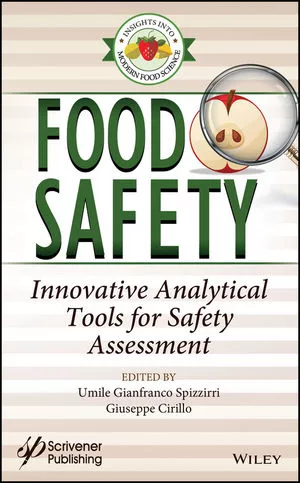
    Food Safety: Innovative Analytical Tools for Safety Assessment

  • 1118396308.jpg

    High Throughput Analysis for Food Safety

See More Products
×

Never miss the latest news and trends driving the food safety industry

eNewsletter | Website | eMagazine

JOIN TODAY!
  • RESOURCES
    • Advertise
    • Contact Us
    • Directories
    • Store
    • Want More
  • SIGN UP TODAY
    • Create Account
    • eMagazine
    • eNewsletter
    • Customer Service
    • Manage Preferences
  • SERVICES
    • Marketing Services
    • Reprints
    • Market Research
    • List Rental
    • Survey/Respondent Access
  • STAY CONNECTED
    • LinkedIn
    • Facebook
    • Instagram
    • X (Twitter)
  • PRIVACY
    • PRIVACY POLICY
    • TERMS & CONDITIONS
    • DO NOT SELL MY PERSONAL INFORMATION
    • PRIVACY REQUEST
    • ACCESSIBILITY

Copyright ©2025. All Rights Reserved BNP Media.

Design, CMS, Hosting & Web Development :: ePublishing