Food Safety
search
Ask Food Safety AI
cart
facebook twitter linkedin
  • Sign In
  • Create Account
  • Sign Out
  • My Account
Food Safety
  • NEWS
    • Latest News
    • White Papers
  • PRODUCTS
  • TOPICS
    • Contamination Control
    • Food Types
    • Management
    • Process Control
    • Regulatory
    • Sanitation
    • Supply Chain
    • Testing and Analysis
  • PODCAST
  • EXCLUSIVES
    • Food Safety Five Newsreel
    • eBooks
    • FSM Distinguished Service Award
    • Interactive Product Spotlights
    • Videos
  • BUYER'S GUIDE
  • MORE
    • ENEWSLETTER >
      • Archive Issues
      • Subscribe to eNews
    • Store
    • Sponsor Insights
    • ASK FSM AI
  • WEBINARS
  • FOOD SAFETY SUMMIT
  • EMAG
    • eMagazine
    • Archive Issues
    • Editorial Advisory Board
    • Contact
    • Advertise
  • SIGN UP!

High quality, clean-label demand drives HPP usage

HPP technology becomes increasingly popular within beverage market
By Taylor Karg
High Pressure Certified Logo - Beverage Industry

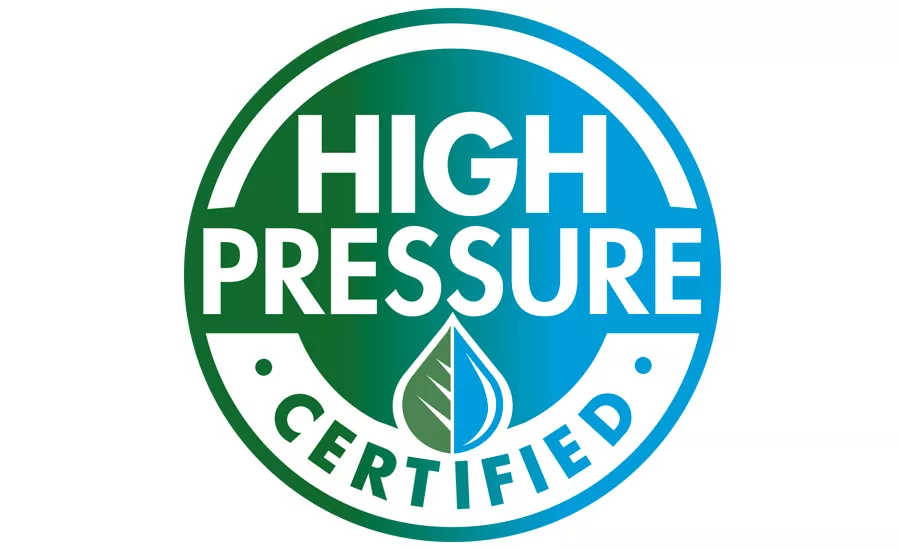
Launched in April 2017, the Cold Pressure Council oversees the development of best practices in the HPP industry with its new High Pressure Certified Seal. (Image courtesy of JBT/Avure Technologies)

September 18, 2018

As consumer preferences gravitate toward better-for-you beverages, experts agree that high-pressure processing (HPP) is the secret to its success. Now a $12 billion industry, HPP delivers shelf-life extension, pathogen elimination and clean-label convenience while giving consumers the freshly picked and produced taste they desire. Using ultra-high pressured cold water, HPP preserves the natural nutrients in beverages, resulting in increased popularity among brand owners.

Lisa Wessels, marketing director of HPP for JBT/Avure Technologies, explains that HPP has become a compelling technology for beverages because of its ability to reduce spoilage, increase shelf-life as much as five times, retains vitamin and nutrient efficacy, allows for clean-label production and results in a fresher, more natural taste.

“Consumers are interested in the process that goes into making a beverage,” she says. “HPP is an all-natural process that allows for a clean-label product. In addition, consumers are interested in ‘raw’ products to intensify and enhance the flavors and taste; HPP allows a ‘raw’ drink without chemicals and preservatives.”

Similarly, Ryan Ziegelmann, president of Evolution Fresh for Starbucks Corp., Seattle, believes the popularity of HPP beverages can be credited to an amplified amount of consumers who are demanding fresh-tasting, high-quality natural foods with clean labels.

“We know that beverages using HPP offer better taste and nutrient retention of raw fruits and vegetables versus those using traditional heat pasteurization,” he says.


A seal of safety

Launched in April 2017, the Cold Pressure Council (CPC) oversees the development of best practices in the HPP industry with its new High Pressure Certified Seal. The CPC brings together brand owners, manufacturers, packaging companies, processors and retailers for the growth and development of categories interested in using HPP, Ziegelmann says.

“Similar to the ‘Organic Seal,’ the council verifies that the product has undergone the HPP process,” he explains. “Once verified, the brand owner can display the High Pressure Certified Seal on its products.”

Looking for quick answers on food safety topics?
Try Ask FSM, our new smart AI search tool.
Ask FSM →

The High Pressure Certified Seal on a product’s packaging means that the product was processed in compliance with guidelines established by the CPC’s founding members to ensure that the equipment was properly used and no food safety shortcuts were taken along the way, JBT/Avure’s Wessels explains.

“One of the key qualifiers is that the brand owner has been independently audited and that they are following the guidelines,” she says. “The guidelines are intended to protect both consumers and the high-pressure technology itself from the effects of a breach in food safety.

“All of the members of the CPC want to make sure that companies aren’t misusing the technology; that there’s proper use of high-pressure processing, so food safety stays intact; that the proper parameters and settings are being used — it all goes back to food safety,” she adds.

Companies within the industry might perceive HPP technology as expensive, but that doesn’t have to be the case, Wessels explains. “With Avure’s high throughput machinery and tolling solutions worldwide, the cost to HPP a product is more economical than ever, especially if you consider the cost of a potential food safety recall [and] less waste, less spoilage and greater distribution,” she says.

Likewise, Evolution Fresh works to educate retailers and consumers on the savviness and benefits of the HPP process. “It is our vision in the CPC that all brand owners use HPP for their products to drive greater awareness and education for the public and industry alike,” Ziegelmann says.


Consumer approved

Experts tout the positive consumer reaction to HPP beverages. “Market research indicates that 93 percent of U.S. households have purchased a clean-label product,” JBT/Avure’s Wessels says. “Sales of beverages billed as simple, clean, sustainable and free of artificial ingredients are increasing while sales of sodas are declining.”

Wessels notes that consumers in the millennial and Generation X age groups are more likely to purchase clean-label products.

A popular trend right now is consumers wanting to drink more water, and watermelon and coconut waters are great examples of beverages using HPP technology, she says.

HPP technology also provides mutual benefits for brand owners. Beyond plant-based waters, other beverage categories, like juices and smoothies, can last as long as 90 days on the shelf, which expands their production and distribution, and increases profits, she adds.

“Brand owners have been eager to adopt the technology because the HPP process brings captivating benefits, including better taste, texture, extended shelf-life and more nutritional value than food processed with traditional high-heat pasteurization,” Wessels says. BI


This article was originally posted on www.bevindustry.com.
KEYWORDS: beverages clean label high pressure processing (HPP)

Share This Story

Taylor karg beverage industry
Taylor Karg, associate editor of Beverage Industry, writes and edits for the magazine’s print and online components. She also represents the magazine at events and trade shows. Taylor graduated with a Bachelor’s of Journalism degree from the University of Missouri – Columbia.

Recommended Content

JOIN TODAY
to unlock your recommendations.

Already have an account? Sign In

  • people holding baby chicks

    Serovar Differences Matter: Utility of Deep Serotyping in Broiler Production and Processing

    This article discusses the significance of Salmonella in...
    Testing & Analysis
    By: Nikki Shariat Ph.D.
  • woman washing hands

    Building a Culture of Hygiene in the Food Processing Plant

    Everyone entering a food processing facility needs to...
    Personal Hygiene/Handwashing
    By: Richard F. Stier, M.S.
  • graphical representation of earth over dirt

    Climate Change and Emerging Risks to Food Safety: Building Climate Resilience

    This article examines the multifaceted threats to food...
    Contamination Control
    By: Maria Cristina Tirado Ph.D., D.V.M. and Shamini Albert Raj M.A.
Manage My Account
  • eMagazine Subscription
  • Subscribe to eNewsletter
  • Manage My Preferences
  • Website Registration
  • Subscription Customer Service

More Videos

Sponsored Content

Sponsored Content is a special paid section where industry companies provide high quality, objective, non-commercial content around topics of interest to the Food Safety Magazine audience. All Sponsored Content is supplied by the advertising company and any opinions expressed in this article are those of the author and not necessarily reflect the views of Food Safety Magazine or its parent company, BNP Media. Interested in participating in our Sponsored Content section? Contact your local rep!

close
  • Salmonella bacteria
    Sponsored byThermoFisher

    Food Microbiology Testing Methods: Salmonella species

  • a diagram explaining indicator organisms
    Sponsored byHygiena

    How Proactive Listeria Testing Helps Prevent Six- and Seven-Figure Recalls

  • woman grocery shopping
    Sponsored byCorbion

    Designing Safety Into Every Bite: Proactive Risk Mitigation for Refrigerated Foods

Popular Stories

NRTE breaded stuffed chicken

USDA Indefinitely Delays Enforcement of Salmonella as Adulterant in Raw Breaded, Stuffed Chicken

digital map of europe

EU Publishes Food Fraud Tool Mapping Thousands of Cases Since 2016

non-conforming product

How to Handle Non-Conforming Product

Events

December 11, 2025

How to Develop and Implement an Effective Food Defense Strategy

Live: December 11, 2025 at 2:00 pm EDT: From this webinar, attendees will learn common areas where companies encounter challenges in their food defense strategies and how to address them.

May 11, 2026

The Food Safety Summit

Stay informed on the latest food safety trends, innovations, emerging challenges, and expert analysis. Leave the Summit with actionable insights ready to drive measurable improvements in your organization. Do not miss this opportunity to learn from experts about contamination control, food safety culture, regulations, sanitation, supply chain traceability, and so much more.

View All

Products

Global Food Safety Microbial Interventions and Molecular Advancements

Global Food Safety Microbial Interventions and Molecular Advancements

See More Products

Related Articles

  • HPP & COVID-19: HPP foods and beverages sales spike due to HPPs clean label and long shelf life

    HPP & COVID-19: HPP foods and beverages sales spike due to HPP's clean label and long shelf life

    See More
  • Surging Demand to Modernize Food Safety Drives Landmark 2014 for Sample6

    See More

Related Products

See More Products
  • 1118396308.jpg

    High Throughput Analysis for Food Safety

  • 9781498721776.jpg

    Handbook of Food Processing: Food Safety, Quality, and Manufacturing Processes

  • 9781032369990 (1).webp

    Food Safety Quality Control and Management

See More Products
×

Never miss the latest news and trends driving the food safety industry

eNewsletter | Website | eMagazine

JOIN TODAY!
  • RESOURCES
    • Advertise
    • Contact Us
    • Directories
    • Store
    • Want More
  • SIGN UP TODAY
    • Create Account
    • eMagazine
    • eNewsletter
    • Customer Service
    • Manage Preferences
  • SERVICES
    • Marketing Services
    • Reprints
    • Market Research
    • List Rental
    • Survey/Respondent Access
  • STAY CONNECTED
    • LinkedIn
    • Facebook
    • Instagram
    • X (Twitter)
  • PRIVACY
    • PRIVACY POLICY
    • TERMS & CONDITIONS
    • DO NOT SELL MY PERSONAL INFORMATION
    • PRIVACY REQUEST
    • ACCESSIBILITY

Copyright ©2025. All Rights Reserved BNP Media.

Design, CMS, Hosting & Web Development :: ePublishing