Food Safety
search
Ask Food Safety AI
cart
facebook twitter linkedin instagram youtube
  • Sign In
  • Create Account
  • Sign Out
  • My Account
Food Safety
  • NEWS
    • Latest News
    • Sponsored Insights
    • Sponsored White Papers
  • PRODUCTS
  • TOPICS
    • Contamination Control
    • Food Types
    • Management
    • Process Control
    • Regulatory
    • Sanitation
    • Supply Chain
    • Testing and Analysis
  • PODCAST
  • EXCLUSIVES
    • Food Safety Five Newsreel
    • eBooks
    • FSM Distinguished Service Award
    • Interactive Product Spotlights
    • Videos
  • MORE
    • BUYER'S GUIDE
    • NEWSLETTERS >
      • Archive Issues
      • Subscribe to eNews
    • Store
    • ASK FSM AI
  • WEBINARS
  • FOOD SAFETY SUMMIT
  • FSM FEATURES
    • FSM Features Collection
    • eMag Archives
    • Editorial Advisory Board
    • Contact
    • Advertise
  • SIGN UP!

J.R. Simplot implements gene editing technology to extend shelf life

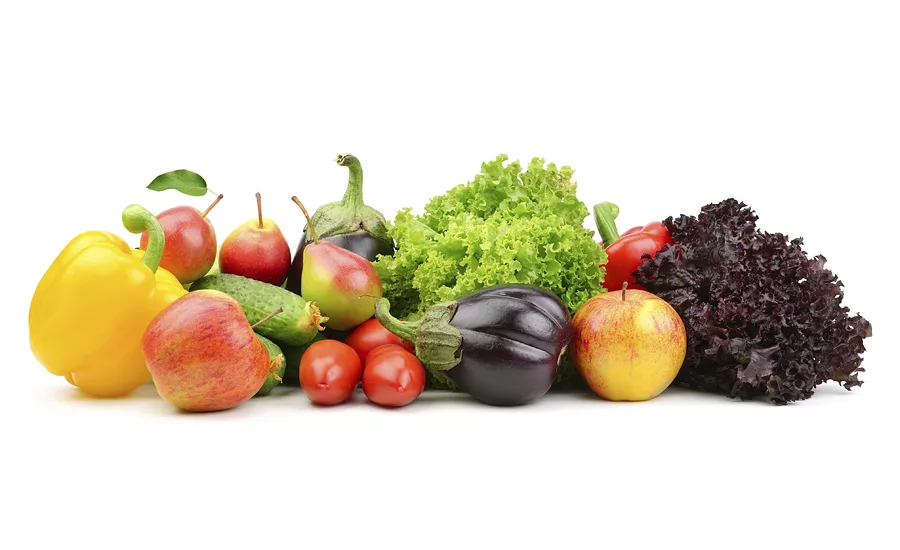
Gene editing technology like CRISPR-Cas9 genome editing tools may be able to significantly increase shelf life of avocados, strawberries and other fruits.
default-produce-image.jpg
August 16, 2018

The J.R. Simplot Co., Boise, Idaho, executed a joint intellectual property licensing agreement with Corteva Agriscience, the Indianapolis, Ind., agriculture division of DowDuPont, the Broad Institute of MIT, Cambridge, Mass., and Harvard University, Cambridge, Mass., for foundational CRISPR-Cas9 and related gene editing tools. The technology provides Simplot with another avenue to bring desirable traits forward in certain fruits and vegetables and advance products to the market in the United States.

Gene editing technology like CRISPR-Cas9 genome editing tools may be able to significantly increase shelf life of avocados, strawberries and other fruits.

"We're excited to add CRISPR-Cas9 technology to our platform of tools aimed at providing more sustainable produce for the industry," says Susan Collinge, vice president of Simplot plant sciences. "These pioneering tools may enable growers to achieve higher yields on less land, resulting in fewer pesticides, water and labor needs while extending the quality of a consumer's favorite foods."

Comprehensive intellectual property rights allow entities to apply scientific tools as widely as possible. To enable such access, Corteva Agriscience and Broad Institute agreed on a joint non-exclusive licensing framework for agricultural use. The license to Simplot represents the first time that Corteva Agriscience and Broad Institute have jointly provided a license of CRISPR-Cas9 genome editing tools to an agricultural company.

"We applaud Simplot for taking the initiative to broaden their portfolio of food technologies to further enhance sustainability and reduce food waste," says Neal Gutterson, chief technology officer at Corteva Agriscience. "CRISPR-Cas9 offers farmers and consumers so many great benefits. It's exciting to see a company with such a strong innovation track record putting CRISPR-Cas9 to work."

"Our goal is to maximize the scientific impact of CRISPR-Cas9 for improving agriculture, and our joint licensing agreement offers the opportunity to provide much broader access to help researchers reduce food waste, limit pesticides and improve drought resistance, while promoting safe and ethical uses of groundbreaking technologies," says Issi Rozen, chief business officer of the Broad Institute.

Looking for quick answers on food safety topics?
Try Ask FSM, our new smart AI search tool.
Ask FSM →


This article was originally posted on www.refrigeratedfrozenfood.com.
KEYWORDS: J.R. Simplot produce shelf life

Share This Story

Recommended Content

JOIN TODAY
to unlock your recommendations.

Already have an account? Sign In

  • people holding baby chicks

    Serovar Differences Matter: Utility of Deep Serotyping in Broiler Production and Processing

    This article discusses the significance of Salmonella in...
    Microbiological Control
    By: Nikki Shariat Ph.D.
  • woman washing hands

    Building a Culture of Hygiene in the Food Processing Plant

    Everyone entering a food processing facility needs to...
    Facilities
    By: Richard F. Stier, M.S.
  • graphical representation of earth over dirt

    Climate Change and Emerging Risks to Food Safety: Building Climate Resilience

    This article examines the multifaceted threats to food...
    Risk Assessment
    By: Maria Cristina Tirado Ph.D., D.V.M. and Shamini Albert Raj M.A.
Manage My Account
  • eMagazine Subscription
  • Subscribe to Newsletters
  • Manage My Preferences
  • Website Registration
  • Subscription Customer Service

More Videos

Sponsored Content

Sponsored Content is a special paid section where industry companies provide high quality, objective, non-commercial content around topics of interest to the Food Safety Magazine audience. All Sponsored Content is supplied by the advertising company and any opinions expressed in this article are those of the author and not necessarily reflect the views of Food Safety Magazine or its parent company, BNP Media. Interested in participating in our Sponsored Content section? Contact your local rep!

close
  • Top view portrait of two factory workers standing by conveyor belt during quality inspection at food production, copy space
    Sponsored byFlexXray

    Foreign Material By the Numbers: What the 2026 Benchmark Report Reveals

  • a conveyorized industrial metal detector system that appears to resemble a Loma Systems IQ4 Metal Detector setup with an integrated conveyor belt and control panel for food or package inspection.
    Sponsored byMettler Toledo

    Beyond Detection: How to Avoid Physical Contamination in Food Through a Smarter Inspection Strategy

  • The image displays a bottling plant production line, commonly used in the beverage industry for filling and packaging soft drinks.
    Sponsored byBIOIONIX

    Sustainability with ROI: A Beverage Producer Case Study in Water Savings

Popular Stories

Dr. Heidi Overton speaking at Senate hearing

In Senate Hearing, FDA Commissioner Nominee Says Lack of Resources Will Challenge GRAS Reform

rangpur lime

Pathogens Found on Brazilian Citrus Fruit Present Emerging Food Safety Concerns

baby food jars

Testing Finds Widespread Microplastics, Lower Heavy Metals in Baby Foods

allergens ebook

Events

October 6, 2026

Advances in Environmental Monitoring Science and Strategy

Live: October 6, 2026 at 2:00 pm EDT: This webinar will cover how environmental monitoring science and EMP strategies support sanitation verification and the safe production of food.

October 15, 2026

How to Prevent Physical Contamination in Food Production and Strengthen Compliance

Live: October 15, 2026 at 2:00 pm EDT: Attend this webinar to gain insight into how product inspection helps protect your brand, reduce recall risk, and support compliance.

October 29, 2026

FDA Proposes Major GRAS Reform: What It Could Mean for Your Business

Live: October 29, 2026 at 2:00 pm EDT: Attend this webinar to examine potential implications for self-GRAS, Flavor and Extract Manufacturers Association (FEMA) GRAS, and food-contact substances.

View All

Products

Global Food Safety Microbial Interventions and Molecular Advancements

Global Food Safety Microbial Interventions and Molecular Advancements

See More Products

Related Articles

  • INFICON_Contura S400_Top View.JPG

    New Non-Destructive Leak Detection Technology from INFICON Helps Enhance Food Safety, Extend Shelf Life of Dry Food Products

    See More
  • Seafood Packaging Trays Extend Product Shelf Life

    Seafood Packaging Trays Extend Product Shelf Life

    See More
  • Using natural ingredients to safely extend food and beverage shelf life

    Using natural ingredients to safely extend food and beverage shelf life

    See More

Related Products

See More Products
  • shelf life.jpg

    Shelf Life and Food Safety

  • 1119237963.jpg

    Food Safety in China: Science, Technology, Management and Regulation

  • 1119258073.jpg

    FSMA and Food Safety Systems: Understanding and Implementing the Rules

See More Products

Related Directories

  • WTI Inc.

    Protect people. Protect products. Incorporate WTI’s ingredients to ensure that your food remains safe, reliable, and of the highest quality from production to consumption. WTI produces naturally-derived vinegar antimicrobials, lemon-based phosphate alternatives, and conventional solutions that improve food quality, enhance yield, produce cleaner labels, keep food safe, and extend shelf-life.
  • J.J. Keller & Associates Inc.

    At J. J. Keller & Associates, Inc., we protect people and the businesses they run. Companies across North America rely on our expert insights to safeguard workers and reduce risk. As a family-owned company since 1953, J. J. Keller is a most trusted name in safety and regulatory compliance.
  • JBT Avure Technologies

    Food manufacturers of all shapes and sizes, including the world’s largest poultry producer, depend on our high-pressure processing machines to serve up healthy, delicious and safe products. And double and triple shelf life without chemicals, additives or heat.
×

Never miss the latest news and trends driving the food safety industry

Newsletters | Website | FSM Features Collection

JOIN TODAY!
  • RESOURCES
    • Advertise
    • Contact Us
    • Directories
    • Store
    • Want More
  • SIGN UP TODAY
    • Create Account
    • eMagazine
    • Newsletters
    • Customer Service
    • Manage Preferences
  • SERVICES
    • Marketing Services
    • Reprints
    • Market Research
    • List Rental
    • Survey/Respondent Access
  • STAY CONNECTED
    • LinkedIn
    • Facebook
    • Instagram
    • X (Twitter)
  • PRIVACY
    • PRIVACY POLICY
    • TERMS & CONDITIONS
    • DO NOT SELL MY PERSONAL INFORMATION
    • PRIVACY REQUEST
    • ACCESSIBILITY

Copyright ©2026. All Rights Reserved BNP Media, Inc. and BNP Media II, LLC.

Design, CMS, Hosting & Web Development :: ePublishing