Food Safety
search
Ask Food Safety AI
cart
facebook twitter linkedin instagram youtube
  • Sign In
  • Create Account
  • Sign Out
  • My Account
Food Safety
  • NEWS
    • Latest News
    • White Papers
  • PRODUCTS
  • TOPICS
    • Contamination Control
    • Food Types
    • Management
    • Process Control
    • Regulatory
    • Sanitation
    • Supply Chain
    • Testing and Analysis
  • PODCAST
  • EXCLUSIVES
    • Food Safety Five Newsreel
    • eBooks
    • FSM Distinguished Service Award
    • Interactive Product Spotlights
    • Videos
  • BUYER'S GUIDE
  • MORE
    • NEWSLETTERS >
      • Archive Issues
      • Subscribe to eNews
    • Store
    • Sponsor Insights
    • ASK FSM AI
  • WEBINARS
  • FOOD SAFETY SUMMIT
  • EMAG
    • eMagazine
    • Archive Issues
    • Editorial Advisory Board
    • Contact
    • Advertise
  • SIGN UP!
News

UK’s Fight Against Campylobacter Proving to Be a Success

February 25, 2016

Today, the UK’s Food Standards Agency (FSA) announced results from a second round of quarterly testing of fresh chickens. Based on testing performed from October 2015 through December 2015--what FSA describes as the second quarter--the number of birds with the highest level of contamination continues to decrease when compared to numbers reported during the same months in 2014.

During the second quarter, FSA tested 966 samples of fresh whole chilled UK-produced chickens as well as packaging. The chickens were bought from large UK retail outlets and smaller independent stores and butchers. The survey commenced sampling in July 2015.

In FSA's second quarter of 2015, 11 percent of chickens tested positive for the highest level of contamination. That number was 19 percent for that same time period in 2014. Current testing shows that Campylobacter was detected on 59 percent of chicken samples. That number was 74 percent for that same time period in 2014.

These continued improvements can be attributed to “improved biosecurity, SonoSteam, and the trimming of neck skins,” says FSA. Neck skin is the most highly contaminated skin area of the chicken, so trimming is believed to cut down on Campylobacter numbers significantly. One small problem is that future testing results will not accurately compare to FSA’s first Campylobacter survey results because of these newly implemented methods of trimming the neck skin.

The FSA has been testing chickens for Campylobacter since February 2014 and publishing the results as part of its campaign to bring together the whole food chain to tackle the problem. Campylobacter is the most common cause of food poisoning in the UK, making an estimated 280,000 people ill every year.

More on Campylobacter in the UK:
FSA: Campylobacter in UK Chickens on the Decline
Penny Pinching Grocery Stores Not Helping UK’s Campylobacter Crisis
FSA Releases New Data on Campylobacter in UK Chickens
Chickens Coming Home to Roost for UK Retailers After Poultry Testing Results Published
UK’s Chicken Challenge to Address Campylobacter Crisis

Sign up for Food Safety Magazine’s bi-weekly emails!


Author(s): Staff

Looking for quick answers on food safety topics?
Try Ask FSM, our new smart AI search tool.
Ask FSM →


Share This Story

Recommended Content

JOIN TODAY
to unlock your recommendations.

Already have an account? Sign In

  • people holding baby chicks

    Serovar Differences Matter: Utility of Deep Serotyping in Broiler Production and Processing

    This article discusses the significance of Salmonella in...
    Testing & Analysis
    By: Nikki Shariat Ph.D.
  • woman washing hands

    Building a Culture of Hygiene in the Food Processing Plant

    Everyone entering a food processing facility needs to...
    Management
    By: Richard F. Stier, M.S.
  • graphical representation of earth over dirt

    Climate Change and Emerging Risks to Food Safety: Building Climate Resilience

    This article examines the multifaceted threats to food...
    Best Practices
    By: Maria Cristina Tirado Ph.D., D.V.M. and Shamini Albert Raj M.A.
Manage My Account
  • eMagazine Subscription
  • Subscribe to Newsletters
  • Manage My Preferences
  • Website Registration
  • Subscription Customer Service

More Videos

Sponsored Content

Sponsored Content is a special paid section where industry companies provide high quality, objective, non-commercial content around topics of interest to the Food Safety Magazine audience. All Sponsored Content is supplied by the advertising company and any opinions expressed in this article are those of the author and not necessarily reflect the views of Food Safety Magazine or its parent company, BNP Media. Interested in participating in our Sponsored Content section? Contact your local rep!

close
  • The image displays a person selecting packaged fresh chicken meat from a supermarket display cooler.
    Sponsored byCorbion

    Developing a Future-Proof Food Safety Strategy for Meat and Poultry Products

  • The image shows a variety of fresh produce packaged in plastic trays and wrap.
    Sponsored byWaters Corporation

    PFAS-Free Food Packaging by August 2026

  • This image displays a multi-stage water filtration system designed to remove contaminants from drinking water.
    Sponsored byWaterdrop Filter

    The 4.0 ppt Era: Future-Proofing Your Food Supply Chain Against 'Forever Chemicals'

Popular Stories

half shredded block of cheddar cheese and pile of cheese shreds on wooden cutting board

Patient Count in Raw Farm E. coli Outbreak Grows, Majority are Young Children

smiling employee in bottling factory looking at camera with arms crossed in front of production line

GFSI Unveils Updated Food Safety Culture Framework

spinach strawberries and blueberries, foods on the 2026 Dirty Dozen

EWG Publishes 2026 ‘Dirty Dozen’ List of ‘Pesticide-Contaminated’ Produce—but is it Scientifically Sound?

foreign material webinar


Events

April 8, 2026

Foreign Material Contamination: Why In-Line Reinspection Isn't Enough

Live: April 8, 2026, at 11:00 am EDT: From this webinar, attendees will learn why reinspecting with in-line equipment is not sufficient when it comes to potential foreign material contamination.

April 16, 2026

Recordkeeping and Document Management for Food Safety Compliance

Live: April 16, 2026, at 2:00 pm EDT: From this webinar, attendees will learn why recordkeeping and document control are essential to food safety and business management.

May 11, 2026

The Food Safety Summit

Stay informed on the latest food safety trends, innovations, emerging challenges, and expert analysis. Leave the Summit with actionable insights ready to drive measurable improvements in your organization. Do not miss this opportunity to learn from experts about contamination control, food safety culture, regulations, sanitation, supply chain traceability, and so much more.

View All

Products

Global Food Safety Microbial Interventions and Molecular Advancements

Global Food Safety Microbial Interventions and Molecular Advancements

See More Products

Related Articles

  • UK's "Chicken Challenge" to Address Campylobacter Crisis

    See More
  • UK Food Standards Agency Issues New Plan to Tackle Campylobacter

    See More
  • FSAI Urges Farms to be More Vigilant against Verotoxigenic E. coli Infection

    See More

Related Products

See More Products
  • 9781138198463.jpg

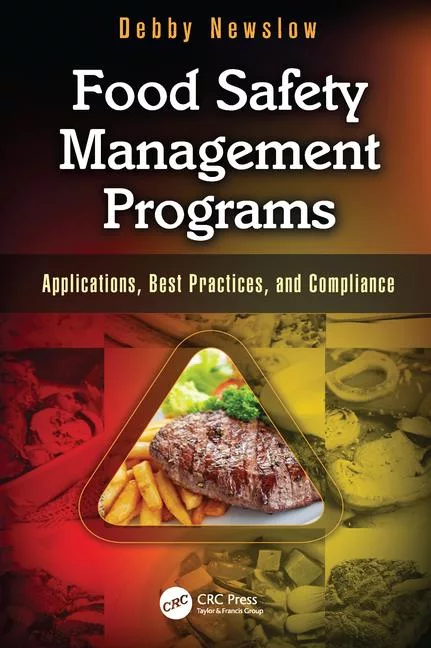
    Food Safety Management Programs: Applications, Best Practices, and Compliance

  • 1118474600.jpg

    Practical Food Safety: Contemporary Issues and Future Directions

  • 1118396308.jpg

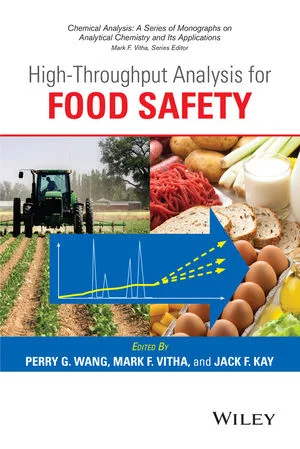
    High Throughput Analysis for Food Safety

See More Products

Related Directories

  • CBC Coating Inc.

    CBC is a privately held contract coater treating every customer confidentially. Our process is specifically designed for your success. Please call for a brief exploratory call to determine how we may be of service.
  • A&B Ingredients

    A&B Ingredients is a manufacturer and distributor of unique specialty ingredients to the food industry. We specialize in natural, clean-label, plant-based ingredients for food safety and shelf life extension in food and beverage products. Our CytoGUARD portfolio includes antimicrobials, yeast and mold inhibitors, natural preservatives, and antioxidants. We also provide turn-key solutions for sodium reduction with natural lower sodium sea salts.
×

Never miss the latest news and trends driving the food safety industry

Newsletters | Website | eMagazine

JOIN TODAY!
  • RESOURCES
    • Advertise
    • Contact Us
    • Directories
    • Store
    • Want More
  • SIGN UP TODAY
    • Create Account
    • eMagazine
    • Newsletters
    • Customer Service
    • Manage Preferences
  • SERVICES
    • Marketing Services
    • Reprints
    • Market Research
    • List Rental
    • Survey/Respondent Access
  • STAY CONNECTED
    • LinkedIn
    • Facebook
    • Instagram
    • X (Twitter)
  • PRIVACY
    • PRIVACY POLICY
    • TERMS & CONDITIONS
    • DO NOT SELL MY PERSONAL INFORMATION
    • PRIVACY REQUEST
    • ACCESSIBILITY

Copyright ©2026. All Rights Reserved BNP Media, Inc. and BNP Media II, LLC.

Design, CMS, Hosting & Web Development :: ePublishing