Food Safety
search
Ask Food Safety AI
cart
facebook twitter linkedin
  • Sign In
  • Create Account
  • Sign Out
  • My Account
Food Safety
  • NEWS
    • Latest News
    • White Papers
  • PRODUCTS
  • TOPICS
    • Contamination Control
    • Food Types
    • Management
    • Process Control
    • Regulatory
    • Sanitation
    • Supply Chain
    • Testing and Analysis
  • PODCAST
  • EXCLUSIVES
    • Food Safety Five Newsreel
    • eBooks
    • FSM Distinguished Service Award
    • Interactive Product Spotlights
    • Videos
  • BUYER'S GUIDE
  • MORE
    • ENEWSLETTER >
      • Archive Issues
      • Subscribe to eNews
    • Store
    • Sponsor Insights
    • ASK FSM AI
  • WEBINARS
  • FOOD SAFETY SUMMIT
  • EMAG
    • eMagazine
    • Archive Issues
    • Editorial Advisory Board
    • Contact
    • Advertise
  • SIGN UP!

Food Safety + Online Shopping

More than half of Americans are concerned about the safety of products bought online

MintelLogo900
May 30, 2018

While online shopping is almost universal in the US, over half (53%) of Americans are concerned about the safety of products bought online, according to new research from Mintel.

And although young Americans have been brought up as digital natives, Mintel reveals that these consumers are exercising the greatest caution when shopping online, with almost two thirds (63%) of 18-24-year-olds expressing concern about online product safety.

But it’s not just product safety that is worrying shoppers, as almost eight in 10 (78%) consumers are concerned about the freshness of food products they buy online. While online grocery shopping has been on the rise, it appears that freshness is a significant barrier as just 10% of Americans say they buy fresh produce, meat, poultry and/or fish online.

Despite the fact that consumers are spending more time and money online, trust remains a hurdle for online retailers to clear, particularly for younger consumers. Some 14% of all online food and drink consumers cite trust as an issue that has prevented them from adding a product to an online shopping cart, with this number rising to almost one in five (17%) 18-34-year-olds. What’s more, many Americans are deterred by the lack of ability to test the value of the product for themselves as 69% of consumers overall are hesitant to buy something that they can’t see/touch in advance and three quarters (75%) prefer to sample products before purchasing.

“Americans are exercising caution when shopping online as they believe that purchasing in store is the most trustworthy way to determine the safety, quality and/or freshness of the items they buy. While online shopping is becoming more convenient, online retailers still have yet to fully replicate the in-store experience of discovering a product in person. As a result, retailers have to go above and beyond in terms of offering more product information and anticipating any potential concerns from shoppers. In doing so, consumers will have less hesitation about adding a product to their online shopping cart and subsequently completing a purchase,” said Matt Lindner, Senior eCommerce Analyst at Mintel.

It’s no secret that many consumers go online looking for a good deal. In fact, saving money (56%) is the top reason Americans say they buy food or drink products online. Rounding out the list of the top reason to shop for food and drink online are saving time (46%), finding a specific item (45%) and avoiding the store (42%).

Much has been said about women and the shopping experience; however, it seems that grocery shopping is something of an exception. Across the US, women (48%) are more likely than men (37%) to buy a food or drink product online so they can avoid going to the store. And it seems that moms* are also appreciating the convenience of online grocery shopping as they are the most likely group overall to purchase food and drinks online in order to avoid the store (52%). Moms are also the most likely to say they purchase food and drinks online to save time (56%).

Looking for quick answers on food safety topics?
Try Ask FSM, our new smart AI search tool.
Ask FSM →

“Retailers and brands don’t always have to offer the lowest price in order to get shoppers to buy online, rather than in-store. Offering specific products or selling consumers on the fact that buying online allows them to avoid a trip to the store, and ultimately saving them time, could be enough to win business. Reordering options such as Amazon’s ‘Subscribe and Save’ program can appeal to busy women, and moms in particular, who seek the convenience of replenishing regularly-purchased items online, and are looking for an option that saves them from running the risk of missing out on an essential item by rushing through grocery shopping,” continued Lindner.

While the US may be a nation of online shopping addicts, today, as many as three in 10 (30%) food and drink consumers say they do not use online channels to discover new products and brands, rising to 35% of beauty consumers.

In fact, word of mouth is proving to be more effective than digital tools when it comes to encouraging consumers to ultimately purchase products. Shoppers who have bought food/drink products online say that recommendations from family and friends (34%) and coming across products while searching for something else (33%) are the top ways that they learned about the last food or drink product they bought online.

Finally, the growing popularity of meal kit delivery services and beauty subscription boxes also present an opportunity for consumers to learn about new products they might otherwise not have tried, especially among younger consumers. Nearly one quarter (23%) of online food and drink shoppers say they participate in a food/drink subscription box, rising to one third (33%) of shoppers aged 18-34. What’s more, 18% of online beauty shoppers say they participate in a beauty subscription box, rising to 30% of shoppers aged 18-34.

“Online stores have grown increasingly sophisticated in terms of spotlighting product details in order to better inform shoppers; however, there ultimately is no substitute for the endorsement from a family member or friend when it comes to potentially spending money on a new item. This creates an opportunity for retailers to increase their word-of-mouth marketing by investing more in digital advertising or rewarding consumers that refer others in the form of loyalty points or discounts on future purchases. Additionally, while adoption of subscription boxes is still relatively low, those who do participate in food and/or beauty subscription box services represent an audience that retailers can introduce to new products and brands, and, thus, spur new brand loyalties,” concluded Lindner.

* Mothers with children under age 18 in the household.

This article was originally posted on www.preparedfoods.com.
KEYWORDS: food safety online food shopping

Share This Story

Recommended Content

JOIN TODAY
to unlock your recommendations.

Already have an account? Sign In

  • people holding baby chicks

    Serovar Differences Matter: Utility of Deep Serotyping in Broiler Production and Processing

    This article discusses the significance of Salmonella in...
    Testing & Analysis
    By: Nikki Shariat Ph.D.
  • woman washing hands

    Building a Culture of Hygiene in the Food Processing Plant

    Everyone entering a food processing facility needs to...
    Facilities
    By: Richard F. Stier, M.S.
  • graphical representation of earth over dirt

    Climate Change and Emerging Risks to Food Safety: Building Climate Resilience

    This article examines the multifaceted threats to food...
    Best Practices
    By: Maria Cristina Tirado Ph.D., D.V.M. and Shamini Albert Raj M.A.
Manage My Account
  • eMagazine Subscription
  • Subscribe to eNewsletter
  • Manage My Preferences
  • Website Registration
  • Subscription Customer Service

More Videos

Sponsored Content

Sponsored Content is a special paid section where industry companies provide high quality, objective, non-commercial content around topics of interest to the Food Safety Magazine audience. All Sponsored Content is supplied by the advertising company and any opinions expressed in this article are those of the author and not necessarily reflect the views of Food Safety Magazine or its parent company, BNP Media. Interested in participating in our Sponsored Content section? Contact your local rep!

close
  • Salmonella bacteria
    Sponsored byThermoFisher

    Food Microbiology Testing Methods: Salmonella species

  • a diagram explaining indicator organisms
    Sponsored byHygiena

    How Proactive Listeria Testing Helps Prevent Six- and Seven-Figure Recalls

  • woman grocery shopping
    Sponsored byCorbion

    Designing Safety Into Every Bite: Proactive Risk Mitigation for Refrigerated Foods

Popular Stories

baby eating bottle

Infant Botulism Spike Exceeds 100 Cases, Extent of ByHeart's Involvement Unclear

NRTE breaded stuffed chicken

USDA Indefinitely Delays Enforcement of Salmonella as Adulterant in Raw Breaded, Stuffed Chicken

digital map of europe

EU Publishes Food Fraud Tool Mapping Thousands of Cases Since 2016

Events

December 11, 2025

How to Develop and Implement an Effective Food Defense Strategy

Live: December 11, 2025 at 2:00 pm EDT: From this webinar, attendees will learn common areas where companies encounter challenges in their food defense strategies and how to address them.

May 11, 2026

The Food Safety Summit

Stay informed on the latest food safety trends, innovations, emerging challenges, and expert analysis. Leave the Summit with actionable insights ready to drive measurable improvements in your organization. Do not miss this opportunity to learn from experts about contamination control, food safety culture, regulations, sanitation, supply chain traceability, and so much more.

View All

Products

Global Food Safety Microbial Interventions and Molecular Advancements

Global Food Safety Microbial Interventions and Molecular Advancements

See More Products

Related Articles

  • Shopping for Food Safety and the Public Trust: What Supply Chain Stakeholders Need to Know About Consumer Attitudes

    See More
  • session audience at the food safety summit

    Over 1,200 Food Safety Professionals Gather in Person and Another 1,500 Online for the 25th Annual Food Safety Summit

    See More
  • professional person looking at laptop while taking notes

    Swedish Food Agency Now Offering Free Open Access to Online Food Safety Educational Courses

    See More

Related Products

See More Products
  • 1119053595.jpg

    Food Safety for the 21st Century: Managing HACCP and Food Safety throughout the Global Supply Chain, 2E

  • 1119160553.jpg

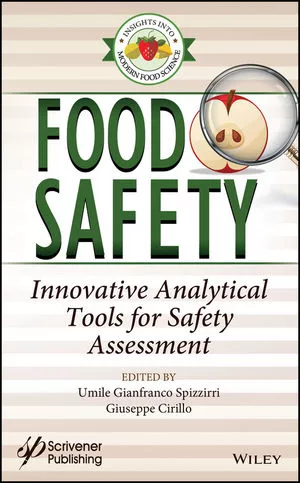
    Food Safety: Innovative Analytical Tools for Safety Assessment

  • 9781498721776.jpg

    Handbook of Food Processing: Food Safety, Quality, and Manufacturing Processes

See More Products

Related Directories

  • Michigan State University Online Food Safety Program

    MSU's Online Food Safety program strives to educate professionals on how to make global food systems safe. The program consists of a master’s degree and graduate certificate, both entirely online. Each program will provide students with applicable knowledge to navigate the ever-changing concerns surrounding food safety, food protection, and public health.
×

Never miss the latest news and trends driving the food safety industry

eNewsletter | Website | eMagazine

JOIN TODAY!
  • RESOURCES
    • Advertise
    • Contact Us
    • Directories
    • Store
    • Want More
  • SIGN UP TODAY
    • Create Account
    • eMagazine
    • eNewsletter
    • Customer Service
    • Manage Preferences
  • SERVICES
    • Marketing Services
    • Reprints
    • Market Research
    • List Rental
    • Survey/Respondent Access
  • STAY CONNECTED
    • LinkedIn
    • Facebook
    • Instagram
    • X (Twitter)
  • PRIVACY
    • PRIVACY POLICY
    • TERMS & CONDITIONS
    • DO NOT SELL MY PERSONAL INFORMATION
    • PRIVACY REQUEST
    • ACCESSIBILITY

Copyright ©2025. All Rights Reserved BNP Media.

Design, CMS, Hosting & Web Development :: ePublishing