Food Safety
search
Ask Food Safety AI
cart
facebook twitter linkedin instagram youtube
  • Sign In
  • Create Account
  • Sign Out
  • My Account
Food Safety
  • NEWS
    • Latest News
    • Sponsored Insights
    • Sponsored White Papers
  • PRODUCTS
  • TOPICS
    • Contamination Control
    • Food Types
    • Management
    • Process Control
    • Regulatory
    • Sanitation
    • Supply Chain
    • Testing and Analysis
  • PODCAST
  • EXCLUSIVES
    • Food Safety Five Newsreel
    • eBooks
    • FSM Distinguished Service Award
    • Interactive Product Spotlights
    • Videos
  • BUYER'S GUIDE
  • MORE
    • NEWSLETTERS >
      • Archive Issues
      • Subscribe to eNews
    • Store
    • ASK FSM AI
  • WEBINARS
  • FOOD SAFETY SUMMIT
  • EMAG
    • eMagazine
    • Archive Issues
    • Editorial Advisory Board
    • Contact
    • Advertise
  • SIGN UP!
News

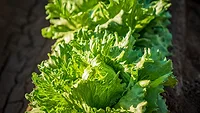
Taylor Farms Suspends Production of Salad Mix and Leafy Greens at Mexico Facility Linked to Cyclospora

August 13, 2013


Source: FDA

On August 12, 2013 Taylor Farms de Mexico officially informed the FDA that, as of August 9, 2013, the company voluntarily suspended production and shipment of any salad mix, leafy green, or salad mix components from its operations in Mexico to the United States. The firm has committed to not resume production and shipping of these products from its operations in Mexico without FDA’s approval. To date only the salad mix has been implicated in the outbreak of cyclosporiasis in Iowa and Nebraska. This voluntary action goes beyond the implicated salad mix and includes iceberg lettuce, romaine lettuce, green leaf lettuce, red cabbage, green cabbage and carrots. The action of Taylor Farms de Mexico exemplifies the company’s cooperation with federal and state officials throughout this ongoing, complicated investigation.

Taylor Farms de Mexico, S. de R.L. de C.V. has been cooperating with all FDA requests during the investigation.  The Mexican government’s food regulatory authorities, the Federal Commission for Protection against Sanitary Risks (COFEPRIS) and the National Agro-Alimentary Health, Safety and Quality Service (SENASICA), have also been collaborating with FDA in the investigation of this outbreak.

The FDA and the firm will conduct an environmental assessment of the firms processing facility in Mexico, to try to learn the probable cause of the outbreak and identify preventive controls to put in place to try and prevent a recurrence. The most recent inspection, in 2011, of the processing facility of Taylor Farms de Mexico, S. de R.L. de C.V. conducted by FDA found no notable issues.  Additionally, as a result of this investigation FDA is increasing its surveillance efforts on green leafy products exported to the U.S. from Mexico.

The Iowa Department of Inspections and Appeals (DIA) and the Nebraska Department of Health and Human Services have announced that they believe the contaminated salad is no longer in the food supply in those states.  The last date that someone reportedly became ill with cycloporiasis in Iowa was on July 1, and in Nebraska on July 2.  The typical shelf life for a salad mix is up to 14 days.  

FDA will continue to work with its federal, state and local partners in the investigation.   The goal will be to combine information collected from other affected states with that provided by the state health authorities in Iowa and Nebraska to identify a specific food item linked to the illnesses.  Should a specific food item be identified, the FDA, CDC, state and local partners will work to track it to its source, determine why the outbreak occurred, and if contamination is still a risk, implement preventive action, which will help to keep an outbreak like this from happening again.

FDA is following the strongest leads provided by the states and has prioritized the ingredients of the salad mix identified by Iowa and Nebraska for the traceback investigation, but is following other leads as well.  In the traceback process, the traceback team identifies clusters of people made ill in separate geographic areas and works to trace the path of food eaten by those made ill to a common source.  This is labor intensive and painstaking work, requiring the collection, review and analysis of hundreds and at times thousands of invoices and shipping documents.

FDA has dedicated a 21-person team at the headquarters level to solving this outbreak, and will augment this team as needed.  Additionally, there are FDA specialists across the country in 10 field offices working on the outbreak.  

In an effort to leverage all sources of information that could be available on this outbreak, FDA has asked its field offices to review and send information forward from consumer complaints that could be Cyclospora related.  FDA will evaluate these consumer complaints to determine whether they provide information to supplement the epidemiology provided by the CDC and the states.  FDA will also evaluate this information to determine if there might be opportunities to collect product samples.

Looking for quick answers on food safety topics?
Try Ask FSM, our new smart AI search tool.
Ask FSM →


Share This Story

Recommended Content

JOIN TODAY
to unlock your recommendations.

Already have an account? Sign In

  • people holding baby chicks

    Serovar Differences Matter: Utility of Deep Serotyping in Broiler Production and Processing

    This article discusses the significance of Salmonella in...
    Microbiological Control
    By: Nikki Shariat Ph.D.
  • woman washing hands

    Building a Culture of Hygiene in the Food Processing Plant

    Everyone entering a food processing facility needs to...
    Personal Hygiene/Handwashing
    By: Richard F. Stier, M.S.
  • graphical representation of earth over dirt

    Climate Change and Emerging Risks to Food Safety: Building Climate Resilience

    This article examines the multifaceted threats to food...
    Management
    By: Shamini Albert Raj M.A. and Maria Cristina Tirado Ph.D., D.V.M.
Manage My Account
  • eMagazine Subscription
  • Subscribe to Newsletters
  • Manage My Preferences
  • Website Registration
  • Subscription Customer Service

More Videos

Sponsored Content

Sponsored Content is a special paid section where industry companies provide high quality, objective, non-commercial content around topics of interest to the Food Safety Magazine audience. All Sponsored Content is supplied by the advertising company and any opinions expressed in this article are those of the author and not necessarily reflect the views of Food Safety Magazine or its parent company, BNP Media. Interested in participating in our Sponsored Content section? Contact your local rep!

close
  • an automated industrial production line used in a modern food factory
    Sponsored byIFC

    A Formula for Food Processing Pest Management

  • fly
    Sponsored byOrkin Commercial

    Fly Control in Food Processing Facilities: Managing Seasonal Food Safety Risks

  • Darkling Beetle
    Sponsored byElanco Animal Health

    Integrated Pest Management: Protecting Poultry Operations as Seasons Change

Popular Stories

taco bell storefront

FDA Says a Taco Bell Iceberg Lettuce Supplier is Source of Five-State Cyclosporiasis Outbreak

Cyclospora cayetanensis oocyst

Cyclospora Cases Climb, But Actual Number Unclear as CDC Reporting Lags Behind States

UN building in geneva

Codex Publishes Strategic Plan for 2026–2031

building a skilled workforce ebook

Events

July 21, 2026

Using AI Responsibly in Food Safety Management Systems

Live: July 21, 2026 at 2:00 pm EDT: This webinar will provide participants with guidance on how to effectively use generative artificial intelligence (AI) tools to develop key components of a food safety management system (FSMS).

August 6, 2026

Beyond Sanitation: Understanding the Hidden System Conditions That Allow Pathogens to Persist

Live: August 6, 2026 at 2:00 pm EDT: Attend this webinar to learn strategies for strengthening environmental control programs through a layered approach to pathogen management.

August 11, 2026

Beyond Sanitization: Reducing Contamination Risk Without Raising Operating Cost

Live: August 11, 2026 at 2:00 pm EDT: Attend this webinar to learn why ambient air is the largest and most overlooked contamination zone in food processing, and what it costs you between scheduled cleans.

View All

Products

Global Food Safety Microbial Interventions and Molecular Advancements

Global Food Safety Microbial Interventions and Molecular Advancements

See More Products

Related Articles

  • Another Foodborne Outbreak for Salad Products Containing Leafy Greens, This Time Due to Cyclospora Contamination

    See More
  • whole yellow onions on burlap

    FDA Unable to Implicate Grower in E. coli Outbreak Linked to Taylor Farms Onions Served at McDonald's

    See More
  • McDonald’s Salads Linked to Midwest Cyclospora Outbreak

    See More

Related Products

See More Products
  • 9781498721776.jpg

    Handbook of Food Processing: Food Safety, Quality, and Manufacturing Processes

  • 1444333348.jpg

    Handbook of Food Safety Engineering

  • 0813808774.jpg

    Improving Import Food Safety

See More Products

Events

View AllSubmit An Event
  • August 12, 2025

    Systematic Approach to Hazard Analysis: Considering Product- and Process-Specific Risks

    On Demand: From this webinar, attendees will learn where and why hazard analysis can fail, especially for high-risk products like leafy greens and meat/poultry.
View AllSubmit An Event

Related Directories

  • FacilityOS

    FacilityOS is a unified platform that digitizes and enforces facility operations, helping teams maintain food safety, compliance, and audit readiness. It delivers real-time visibility, standardized processes, and verifiable records to reduce risk, prevent incidents, and ensure consistent execution across every site.
  • Future Green Consulting Ltd.

    Future Green is a purpose-led consultancy and certified BCorp based in Hong Kong, serving clients globally. No matter their size or stage of growth, each client shares a common objective: to increase the output of high-value work at a faster pace. Future Green supports this by facilitating practical workshops that align teams around critical food sustainability change projects.
  • PLM TrustLink®

    PLM TrustLink® is a comprehensive software platform for tracking & tracing food throughout the supply chain. From origin to destination, PLM TrustLink® utilizes unique product markers to provide transparency, traceability, and trust of key data elements through critical tracking events. The PLM TrustLink® solution delivers real-time actionable data to improve operational efficiency, food safety and regulatory compliance for customers.
×

Never miss the latest news and trends driving the food safety industry

Newsletters | Website | eMagazine

JOIN TODAY!
  • RESOURCES
    • Advertise
    • Contact Us
    • Directories
    • Store
    • Want More
  • SIGN UP TODAY
    • Create Account
    • eMagazine
    • Newsletters
    • Customer Service
    • Manage Preferences
  • SERVICES
    • Marketing Services
    • Reprints
    • Market Research
    • List Rental
    • Survey/Respondent Access
  • STAY CONNECTED
    • LinkedIn
    • Facebook
    • Instagram
    • X (Twitter)
  • PRIVACY
    • PRIVACY POLICY
    • TERMS & CONDITIONS
    • DO NOT SELL MY PERSONAL INFORMATION
    • PRIVACY REQUEST
    • ACCESSIBILITY

Copyright ©2026. All Rights Reserved BNP Media, Inc. and BNP Media II, LLC.

Design, CMS, Hosting & Web Development :: ePublishing