Food Safety
search
Ask Food Safety AI
cart
facebook twitter linkedin instagram youtube
  • Sign In
  • Create Account
  • Sign Out
  • My Account
Food Safety
  • NEWS
    • Latest News
    • White Papers
  • PRODUCTS
  • TOPICS
    • Contamination Control
    • Food Types
    • Management
    • Process Control
    • Regulatory
    • Sanitation
    • Supply Chain
    • Testing and Analysis
  • PODCAST
  • EXCLUSIVES
    • Food Safety Five Newsreel
    • eBooks
    • FSM Distinguished Service Award
    • Interactive Product Spotlights
    • Videos
  • BUYER'S GUIDE
  • MORE
    • NEWSLETTERS >
      • Archive Issues
      • Subscribe to eNews
    • Store
    • Sponsor Insights
    • ASK FSM AI
  • WEBINARS
  • FOOD SAFETY SUMMIT
  • EMAG
    • eMagazine
    • Archive Issues
    • Editorial Advisory Board
    • Contact
    • Advertise
  • SIGN UP!

Study Shows Preference for Baby Food in Pouches
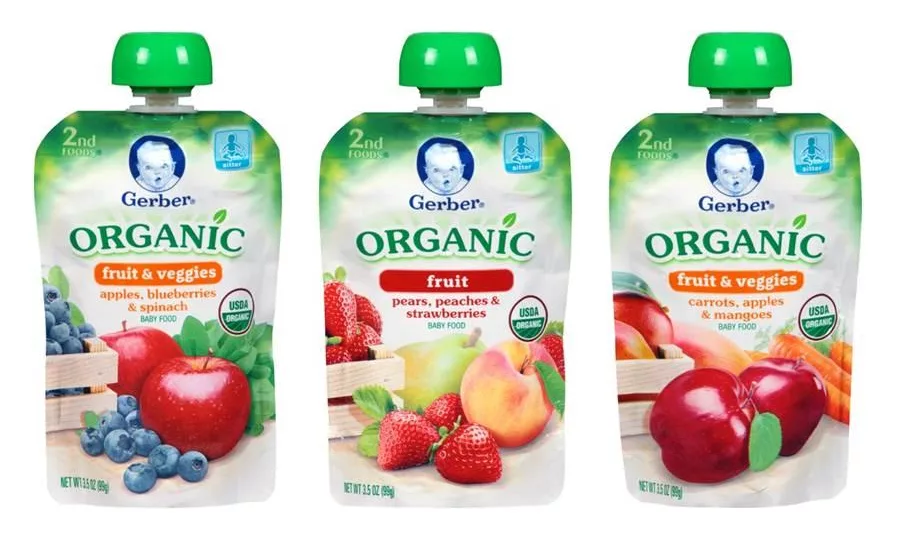
Study shows preference for baby food in pouches
June 26, 2017

StandUpPouches.net, a leading supplier of flexible retail packaging, released a new industry report that examines consumer preference toward baby food packaging.

The supplier partnered with independent research firm Cint to survey more than 1,000 parents in the U.S. The results of these tests were compiled into a detailed report that is available to download now.

Survey participants were shown two types of popular baby food packaging styles: a traditional glass jar and a modern flexible pouch with a spout.

The respondents were asked their opinions about the two distinct forms of packaging based on factors such as the container's appearance, convenience, lifestyle fit, environmental impact and perceived safety.

Highlights of the report's findings include:

  • 86% of respondents said it is "very important" that their infant be able to consume food on the go.
  • 65% of respondents said a stand up pouch with spout would be the safest packaging for their child.
  • 52% of respondents said a baby food pouch adds the most value to them as a consumer.
  • 82% of respondents said they would replace the traditional jar baby food they normally buy with baby food packaged in a pouch.
  • 80% of respondents said they buy baby food every week, purchasing brands like Gerber, Beech-Nut, Heinz and Plum Baby.

"As leaders in the packaging industry, it's important that we continuously conduct these types of tests to gauge consumer feedback on current packaging styles," StandUpPouches.net Marketing Director Mallory Fetchu says. "As you can see in this study, the majority of today's parents prefer the flexible pouch over the old glass jar. It's now up to brands to use this information to rethink how they are packaging their products – especially food."

The lightweight packaging market is projected to continue its steady growth with food markets for converted flexible packaging expected to reach $15.5 billion by 2021, according to the Freedonia Group.

Pouches will remain the fastest-growing major flexible packaging product.

Looking for quick answers on food safety topics?
Try Ask FSM, our new smart AI search tool.
Ask FSM →

Factors contributing to the advancement of lightweight packaging include consumer preference for convenient, portable products and brands' heightened need for shelf appeal to differentiate their products from competitors.

To learn more about the advantages of flexible packaging, download the full "Baby Food – From Jar to Pouch: The Evolution of Packaging" report here: https://info.standuppouches.net/baby-food-packaging-report-2017.

This article was originally posted on www.brandpackaging.com.

This article was originally posted on www.brandpackaging.com.

KEYWORDS: baby food packaging studies packaging trends pouch packaging pouches

Share This Story

Recommended Content

JOIN TODAY
to unlock your recommendations.

Already have an account? Sign In

  • people holding baby chicks

    Serovar Differences Matter: Utility of Deep Serotyping in Broiler Production and Processing

    This article discusses the significance of Salmonella in...
    Methods
    By: Nikki Shariat Ph.D.
  • woman washing hands

    Building a Culture of Hygiene in the Food Processing Plant

    Everyone entering a food processing facility needs to...
    Food Prep/Handling
    By: Richard F. Stier, M.S.
  • graphical representation of earth over dirt

    Climate Change and Emerging Risks to Food Safety: Building Climate Resilience

    This article examines the multifaceted threats to food...
    Management
    By: Maria Cristina Tirado Ph.D., D.V.M. and Shamini Albert Raj M.A.
Manage My Account
  • eMagazine Subscription
  • Subscribe to Newsletters
  • Manage My Preferences
  • Website Registration
  • Subscription Customer Service

More Videos

Sponsored Content

Sponsored Content is a special paid section where industry companies provide high quality, objective, non-commercial content around topics of interest to the Food Safety Magazine audience. All Sponsored Content is supplied by the advertising company and any opinions expressed in this article are those of the author and not necessarily reflect the views of Food Safety Magazine or its parent company, BNP Media. Interested in participating in our Sponsored Content section? Contact your local rep!

close
  • This image depicts a healthcare professional managing a large volume of paperwork and transitioning to a digital workflow.
    Sponsored bySafetyChain

    The Invisible Plant Tax Starts with Your Records

  • Salmon on rice cracker
    Sponsored byThermoFisher

    Food Microbiology Testing Methods: Listeria species

  • The image displays a person selecting packaged fresh chicken meat from a supermarket display cooler.
    Sponsored byCorbion

    Developing a Future-Proof Food Safety Strategy for Meat and Poultry Products

Popular Stories

slices off a block of cheddar cheese on a wooden cutting board

Raw Farm Recalls Unpasteurized Cheese While Denying Link to E. coli Outbreak

smiling woman employee with hair net using tablet in food manufacturing facility

Monitoring and Recordkeeping: The Heart of HACCP

researchers working in a lab using a microscope

FDA’s Human Foods Program Publishes Priority Scientific Needs to Advance Food Safety


Events

April 16, 2026

Recordkeeping and Document Management for Food Safety Compliance

Live: April 16, 2026, at 2:00 pm EDT: From this webinar, attendees will learn why recordkeeping and document control are essential to food safety and business management.

May 6, 2026

Allergen Uncertainty: Risk Assessment, Reference Doses, and Codex Management Guidance

Live: May 6, 2026 at 2:00 pm EDT: Attendees will gain insight into the importance of preparing for the industry's shift from detection-based methods to risk-based allergen management.

May 11, 2026

The Food Safety Summit

Stay informed on the latest food safety trends, innovations, emerging challenges, and expert analysis. Leave the Summit with actionable insights ready to drive measurable improvements in your organization. Do not miss this opportunity to learn from experts about contamination control, food safety culture, regulations, sanitation, supply chain traceability, and so much more.

View All

Products

Global Food Safety Microbial Interventions and Molecular Advancements

Global Food Safety Microbial Interventions and Molecular Advancements

See More Products

Related Articles

  • coiled hoses

    Study Shows Water Hoses as Reservoirs for Biofilms in Food Processing Facilities

    See More
  • blue light waves

    Study Shows Potential of Antimicrobial Blue Light for Listeria Inactivation in Food Processing Plants

    See More
  • baby food cans

    New Congressional Report Shows High Levels of Arsenic, Other Poisons in Baby Food

    See More

Related Products

See More Products
  • 1119053595.jpg

    Food Safety for the 21st Century: Managing HACCP and Food Safety throughout the Global Supply Chain, 2E

  • 9781138070912.jpg

    Trends in Food Safety and Protection

  • 1119160553.jpg

    Food Safety: Innovative Analytical Tools for Safety Assessment

See More Products

Events

View AllSubmit An Event
  • May 28, 2026

    Advanced Sanitation Strategies for Allergen Risk Reduction in Food Processing

    Live: May 28, 2026, at 2:00 pm EDT: From this webinar, attendees will learn why validation and verification are necessary for allergen control, and how analytical tools can support allergen management programs.
View AllSubmit An Event

Related Directories

  • Food Production Solutions Assn. & EATS

    The Food Production Solutions Association (FPSA) is dedicated to delivering innovative food and technology solutions, meaningful education, industry engagement, philanthropy, and advocacy to advance member companies and the greater food production industry. FPSA is a dynamic community of food production industry leaders and experts, where collaboration and innovation lead the future of food production.
×

Never miss the latest news and trends driving the food safety industry

Newsletters | Website | eMagazine

JOIN TODAY!
  • RESOURCES
    • Advertise
    • Contact Us
    • Directories
    • Store
    • Want More
  • SIGN UP TODAY
    • Create Account
    • eMagazine
    • Newsletters
    • Customer Service
    • Manage Preferences
  • SERVICES
    • Marketing Services
    • Reprints
    • Market Research
    • List Rental
    • Survey/Respondent Access
  • STAY CONNECTED
    • LinkedIn
    • Facebook
    • Instagram
    • X (Twitter)
  • PRIVACY
    • PRIVACY POLICY
    • TERMS & CONDITIONS
    • DO NOT SELL MY PERSONAL INFORMATION
    • PRIVACY REQUEST
    • ACCESSIBILITY

Copyright ©2026. All Rights Reserved BNP Media, Inc. and BNP Media II, LLC.

Design, CMS, Hosting & Web Development :: ePublishing