
Items Tagged with 'psychosocial'
ARTICLES

The Connection Between Psychosocial Factors and Food Safety Outcomes
A 2025 Food Safety Summit workshop explored how psychosocial factors are considered in different organizations' food safety systems
Read More

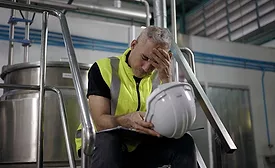
Where Food Safety Systems and Culture Collide: Do You Know Your Company's Psychosocial Risks?
Psychosocial risks become important to food safety when they have the potential for causing psychological or physical harm, and when they lead to deficiencies in expected food safety behaviors
Read More