FDA’s Human Foods Program specifically would receive a significant increase in funding compared to the previous fiscal year (FY), including $25 million to help address chemical contaminants and additives like PFAS, toxic heavy metals, and GRAS ingredients.
In his remarks on a recent Joe Rogan Experience podcast episode, Secretary Kennedy also suggested FDA is considering a new approach to front-of-pack nutrition labeling.
This episode of Food Safety Five discusses expert perspectives on the Healthy Florida First food contaminant testing program, including information gaps about the testing and risk assessment methodology and why this missing information matters.
A presidential Executive Order invoked the Defense Production Act of 1950, asserting that glyphosate-based herbicides are critical to “national security.” MAHA supporters are pushing back on the order.
U.S. Health Secretary Robert F. Kennedy Jr. has announced several appointments to his immediate management team at HHS, including FDA Deputy Commissioner for Human Foods Kyle Diamantas, reportedly to help advance food-related MAHA agenda items.
In a recent 60 Minutes interview, U.S. Health Secretary Robert F. Kennedy Jr. said FDA will address the “generally recognized as safe” (GRAS) “loophole,” which allows ingredients into the food supply without FDA review, while saying he does not plan to regulate ultra-processed foods.
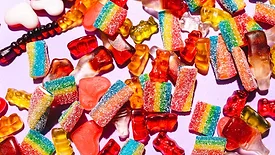
Like the Healthy Florida First initiative’s previous reports on toxic heavy metals in candy and infant formula, details that would help contextualize the findings have not been disclosed, such as the sampling and testing methodology or relevant safety thresholds
In this episode of Food Safety Matters, we speak to food regulatory legal expert Kathleen Sanzo, J.D. about the implications of FDA’s voluntary approach to phasing out synthetic food dyes from the U.S. food supply and how food companies can prepare.
FDA's Human Foods Program has released its priority deliverables and guidance agenda for 2026, in line with the continued implementation of the Trump administration's MAHA agenda.