Food Safety
search
Ask Food Safety AI
cart
facebook twitter linkedin instagram youtube
  • Sign In
  • Create Account
  • Sign Out
  • My Account
Food Safety
  • NEWS
    • Latest News
    • White Papers
  • PRODUCTS
  • TOPICS
    • Contamination Control
    • Food Types
    • Management
    • Process Control
    • Regulatory
    • Sanitation
    • Supply Chain
    • Testing and Analysis
  • PODCAST
  • EXCLUSIVES
    • Food Safety Five Newsreel
    • eBooks
    • FSM Distinguished Service Award
    • Interactive Product Spotlights
    • Videos
  • BUYER'S GUIDE
  • MORE
    • NEWSLETTERS >
      • Archive Issues
      • Subscribe to eNews
    • Store
    • Sponsor Insights
    • ASK FSM AI
  • WEBINARS
  • FOOD SAFETY SUMMIT
  • EMAG
    • eMagazine
    • Archive Issues
    • Editorial Advisory Board
    • Contact
    • Advertise
  • SIGN UP!
Contamination ControlProcess ControlAllergen ControlPackaging

Allergen Disclaimers Should Be True Warnings

January 15, 2013

The purpose of allergen disclaimers is for the benefit and protection of consumers. Unfortunately, some manufacturers and suppliers have gone beyond the intent and morphed it into a tool for their own cost-reduction benefits. We have run across some suppliers that are using the label, “food manufactured on equipment that also manufactures foods that contain [allergen,]” when they are not running any allergen-identified production. In other words, by using this warning label on a product that does not contain allergens, manufacturers can limit accountability and provide cover for inadequate cleaning and/or poorly followed cross-contamination prevention programs. Sanitizing procedures that are acceptable for hygiene purposes may not be sufficient to remove all allergens, and additional steps are necessary. These necessary steps sometimes include rigorous cleaning practices that can go as far as the dismantling of equipment, analytical testing to verify that cleaning practices were effective or separate equipment for allergen and non-allergen product lines—all costly steps that could be dodged by a simple allergen disclaimer. Another thing to keep in mind is this type of statement is voluntary, not required by the U.S. Food and Drug Administration (FDA).

Until FDA sets clear standards, one of the only ways to avoid manufacturers or suppliers who utilize disclaimers for their own advantageous reasons is to look for those with legitimate certifications. For instance, a NSF Gluten-Free-certified company must undergo a scrupulous certification process that includes science-based annual inspections, ingredient verification, random product testing and announced audits. Companies with such certifications invest both the time and money to ensure their clients their intentions are correct. They take the extra step, not the easy one.

Although most companies do have genuine motivations for placing allergen disclaimers on their products, the few instill doubt especially in consumers. As they become more aware of their health and the foods that contribute to it, the more they are taking notice of labels. Consumers are already questioning the meaning of allergen disclaimers and which foods they are actually able to consume. If allergen disclaimer use continues on this path, consumers will no longer benefit from them. Some go as far as saying individuals with food allergies will eventually have difficulty finding foods they can consume.

George Pontiakos is president and CEO of BI Nutraceuticals. He oversees all aspects of operations for BI Nutraceuticals and the Zuellig Group Nutrition and Ingredients based in China. He holds a bachelor’s degree in business management from Farleigh Dickinson University in New Jersey.


>
Author(s): George Pontiakos

Looking for quick answers on food safety topics?
Try Ask FSM, our new smart AI search tool.
Ask FSM →


Share This Story

Recommended Content

JOIN TODAY
to unlock your recommendations.

Already have an account? Sign In

  • people holding baby chicks

    Serovar Differences Matter: Utility of Deep Serotyping in Broiler Production and Processing

    This article discusses the significance of Salmonella in...
    Contamination Control
    By: Nikki Shariat Ph.D.
  • woman washing hands

    Building a Culture of Hygiene in the Food Processing Plant

    Everyone entering a food processing facility needs to...
    Management
    By: Richard F. Stier, M.S.
  • graphical representation of earth over dirt

    Climate Change and Emerging Risks to Food Safety: Building Climate Resilience

    This article examines the multifaceted threats to food...
    International
    By: Maria Cristina Tirado Ph.D., D.V.M. and Shamini Albert Raj M.A.
Manage My Account
  • eMagazine Subscription
  • Subscribe to Newsletters
  • Manage My Preferences
  • Website Registration
  • Subscription Customer Service

More Videos

Sponsored Content

Sponsored Content is a special paid section where industry companies provide high quality, objective, non-commercial content around topics of interest to the Food Safety Magazine audience. All Sponsored Content is supplied by the advertising company and any opinions expressed in this article are those of the author and not necessarily reflect the views of Food Safety Magazine or its parent company, BNP Media. Interested in participating in our Sponsored Content section? Contact your local rep!

close
  • The image displays a person selecting packaged fresh chicken meat from a supermarket display cooler.
    Sponsored byCorbion

    Developing a Future-Proof Food Safety Strategy for Meat and Poultry Products

  • The image shows a variety of fresh produce packaged in plastic trays and wrap.
    Sponsored byWaters Corporation

    PFAS-Free Food Packaging by August 2026

  • This image displays a multi-stage water filtration system designed to remove contaminants from drinking water.
    Sponsored byWaterdrop Filter

    The 4.0 ppt Era: Future-Proofing Your Food Supply Chain Against 'Forever Chemicals'

Popular Stories

half shredded block of cheddar cheese and pile of cheese shreds on wooden cutting board

Patient Count in Raw Farm E. coli Outbreak Grows, Majority are Young Children

RAW FARM-brand raw cheddar cheese shreds

Amid E. coli Outbreak, Congress Urges FDA to Mandate Raw Cheese Recall

smiling employee in bottling factory looking at camera with arms crossed in front of production line

GFSI Unveils Updated Food Safety Culture Framework

foreign material webinar


Events

April 8, 2026

Foreign Material Contamination: Why In-Line Reinspection Isn't Enough

Live: April 8, 2026, at 11:00 am EDT: From this webinar, attendees will learn why reinspecting with in-line equipment is not sufficient when it comes to potential foreign material contamination.

April 16, 2026

Recordkeeping and Document Management for Food Safety Compliance

Live: April 16, 2026, at 2:00 pm EDT: From this webinar, attendees will learn why recordkeeping and document control are essential to food safety and business management.

May 11, 2026

The Food Safety Summit

Stay informed on the latest food safety trends, innovations, emerging challenges, and expert analysis. Leave the Summit with actionable insights ready to drive measurable improvements in your organization. Do not miss this opportunity to learn from experts about contamination control, food safety culture, regulations, sanitation, supply chain traceability, and so much more.

View All

Products

Global Food Safety Microbial Interventions and Molecular Advancements

Global Food Safety Microbial Interventions and Molecular Advancements

See More Products

Related Articles

  • How Should Packaging Be Addressed in Your Food Safety Program?

    See More
  • How Should Packaging Be Addressed in Your Food Safety Program?

    See More
  • Should Food Safety Systems Be Engineered?

    See More

Related Products

See More Products
  • food-safety-making.jpg

    Food Safety: Making Foods Safe and Free From Pathogens

  • 1118474600.jpg

    Practical Food Safety: Contemporary Issues and Future Directions

  • 9781138070912.jpg

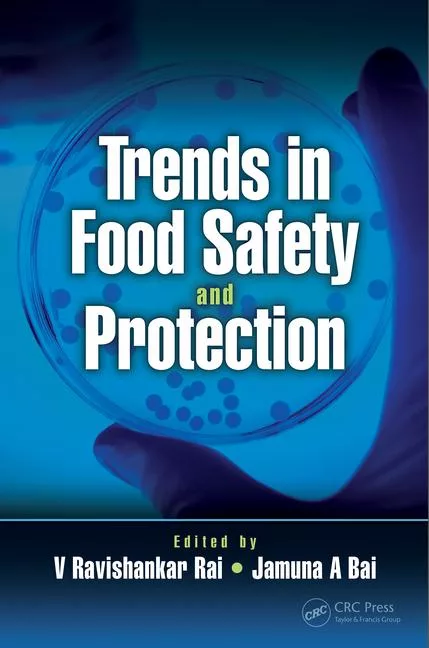
    Trends in Food Safety and Protection

See More Products

Related Directories

  • Goodway Technologies

    Goodway Technologies has the industry's most reliable surface and conveyor belt sanitizing equipment for robust hygiene in food production plants, as well as powerful dry steam cleaners that can be used to clean tough grime on virtually any surface.
  • CBC Coating Inc.

    CBC is a privately held contract coater treating every customer confidentially. Our process is specifically designed for your success. Please call for a brief exploratory call to determine how we may be of service.
×

Never miss the latest news and trends driving the food safety industry

Newsletters | Website | eMagazine

JOIN TODAY!
  • RESOURCES
    • Advertise
    • Contact Us
    • Directories
    • Store
    • Want More
  • SIGN UP TODAY
    • Create Account
    • eMagazine
    • Newsletters
    • Customer Service
    • Manage Preferences
  • SERVICES
    • Marketing Services
    • Reprints
    • Market Research
    • List Rental
    • Survey/Respondent Access
  • STAY CONNECTED
    • LinkedIn
    • Facebook
    • Instagram
    • X (Twitter)
  • PRIVACY
    • PRIVACY POLICY
    • TERMS & CONDITIONS
    • DO NOT SELL MY PERSONAL INFORMATION
    • PRIVACY REQUEST
    • ACCESSIBILITY

Copyright ©2026. All Rights Reserved BNP Media, Inc. and BNP Media II, LLC.

Design, CMS, Hosting & Web Development :: ePublishing