Food Safety
search
Ask Food Safety AI
cart
facebook twitter linkedin
  • Sign In
  • Create Account
  • Sign Out
  • My Account
Food Safety
  • NEWS
    • Latest News
    • White Papers
  • PRODUCTS
  • TOPICS
    • Contamination Control
    • Food Types
    • Management
    • Process Control
    • Regulatory
    • Sanitation
    • Supply Chain
    • Testing and Analysis
  • PODCAST
  • EXCLUSIVES
    • Food Safety Five Newsreel
    • eBooks
    • FSM Distinguished Service Award
    • Interactive Product Spotlights
    • Videos
  • BUYER'S GUIDE
  • MORE
    • ENEWSLETTER >
      • Archive Issues
      • Subscribe to eNews
    • Store
    • Sponsor Insights
    • ASK FSM AI
  • WEBINARS
  • FOOD SAFETY SUMMIT
  • EMAG
    • eMagazine
    • Archive Issues
    • Editorial Advisory Board
    • Contact
    • Advertise
  • SIGN UP!
News

Former USDA Official Decries 'Outbreak of Misinformation on Salmonella'

November 1, 2013

Editor's Note: The following article, authored by Richard Raymond, a former U.S. Department of Agriculture undersecretary for food safety (2005-2008), appeared Oct. 29 on SFGate.com. The editors of Food Safety Magazine feel it is important for food industry professionals to be aware of the negative publicity generated by advocacy groups and "the popular press," and to learn how to avoid making headlines for the wrong reasons.


Source: SFGate.com

The recent outbreak of food-borne illnesses from Salmonella Heidelberg linked to three California Foster Farms chicken processing facilities has created a rash of misinformation from some media and activists, creating misperception by the public. The fact that so many were sickened, and an increased number hospitalized, speaks to the virulence of the strains found in the outbreak, not to antibiotic resistance.

In February, the U.S. Food and Drug Administration (FDA) released its annual meat report on the prevalence and trends of antimicrobial resistance in food-borne bacteria. Samples from grocery stores of chicken, ground turkey, ground beef and pork chops had been collected in 2011 in 11 states. The report found:

  • "The antibiotics that are commonly used to treat patients are still effective. (The National Antibiotic-Resistance Monitoring System's) data indicates that first-line treatments for all four bacteria that we track ... are still effective."
  • "In the critically important class of antimicrobials, the 2011 data showed no fluoroquinolone resistance in Salmonella. This is the drug of choice for treating Salmonella."
  • "Macrolide antibiotic resistance in retail chicken isolates remains low." The macrolide antibiotic erythromycin is the drug of choice for treating campylobacter infections.
  • "Trimethoprim-sulfonamide is another drug used to treat Salmonella infections and resistance remains low."
  • "Additionally, we believe that it is inaccurate and alarmist to define bacteria resistance to one, or even a few, antimicrobials as 'superbugs' if these same bacteria are still treatable by other commonly used antibiotics."

A pathogen is called multidrug-resistant if it is resistant to at least three antibiotics. Those who want us to stop eating meat are concerned about the prevalence of multidrug antibiotic resistance and the need to declare multidrug-resistant salmonella an adulterant, not a naturally occurring organism.

In the recent outbreak, where at least 338 people across the United States were sickened, we saw 30 percent of the bacteria to be multidrug-resistant, and that brought about the expected cry of gloom and doom. But if one were to read the Centers for Disease Control and Prevention's (CDC) report on the salmonella outbreak, one would find that the resistance was to antibiotics that would not be front-line drugs to treat salmonellosis.

The antibiotics that would be front-line therapies would be Augmentin, Bactrim, ciprofloxacin and cephalosporins. No resistance was seen to these antibiotics in human specimens tested from the outbreak.

Americans eat about 160 million servings of chicken every day, and the vast majority of them are cooking and handling chicken properly and having a safe experience. Everyone involved wants that experience to be safe every time, which is why it is important as a last step to follow safe handling instructions and cook chicken to 165 degrees F.

Let us base any discussion about antibiotic use and resistance on biological science, which reporting on the recent outbreak of salmonella has almost totally disregarded.

Looking for quick answers on food safety topics? Try Ask FSM, our new smart AI search tool. Ask FSM →

Share This Story

Recommended Content

JOIN TODAY
to unlock your recommendations.

Already have an account? Sign In

  • people holding baby chicks

    Serovar Differences Matter: Utility of Deep Serotyping in Broiler Production and Processing

    This article discusses the significance of Salmonella in...
    Meat/Poultry
    By: Nikki Shariat Ph.D.
  • woman washing hands

    Building a Culture of Hygiene in the Food Processing Plant

    Everyone entering a food processing facility needs to...
    Training
    By: Richard F. Stier, M.S.
  • graphical representation of earth over dirt

    Climate Change and Emerging Risks to Food Safety: Building Climate Resilience

    This article examines the multifaceted threats to food...
    Contamination Control
    By: Maria Cristina Tirado Ph.D., D.V.M. and Shamini Albert Raj M.A.
Manage My Account
  • eMagazine Subscription
  • Subscribe to eNewsletter
  • Manage My Preferences
  • Website Registration
  • Subscription Customer Service

More Videos

Sponsored Content

Sponsored Content is a special paid section where industry companies provide high quality, objective, non-commercial content around topics of interest to the Food Safety Magazine audience. All Sponsored Content is supplied by the advertising company and any opinions expressed in this article are those of the author and not necessarily reflect the views of Food Safety Magazine or its parent company, BNP Media. Interested in participating in our Sponsored Content section? Contact your local rep!

close
  • Salmonella bacteria
    Sponsored byThermoFisher

    Food Microbiology Testing Methods: Salmonella species

  • a diagram explaining indicator organisms
    Sponsored byHygiena

    How Proactive Listeria Testing Helps Prevent Six- and Seven-Figure Recalls

  • woman grocery shopping
    Sponsored byCorbion

    Designing Safety Into Every Bite: Proactive Risk Mitigation for Refrigerated Foods

Popular Stories

newborn earing from bottle

Infants Nationwide Hospitalized With Botulism After Consuming ByHeart Formula

researcher dropping liquid in petri dishes

First-of-its-Kind Study Shows How Listeria Strains Evolve Into Strong Biofilm Formers

us capitol

MAHA Pushback Kills ‘Big Food’-Aligned Legislative Effort to Stop State Food Laws

Events

November 18, 2025

Dry Sanitation and Cleaning Techniques for Facilities and Equipment

Live: November 18, 2025 at 12:00 pm EDT: From this webinar, attendees will learn best practices employed by dry/low-moisture food processors for dry sanitation and equipment cleaning.

November 20, 2025

New U.S. Additive Bans: How to Prepare and Protect Your Brand

Live: November 20, 2025 at 11:00 am EST: From this webinar, attendees will learn the impact of ingredient restrictions on product development, sourcing, labeling, and market access.

December 4, 2025

Beyond Detection: How Integrated PCR Diagnostics Strengthen Food Safety in RTE Manufacturing

Live: December 4, 2025 at 2:00 pm EST: From this webinar, attendees will learn best practices for prevention of FM contamination at the corporate and plant levels.

View All

Products

Global Food Safety Microbial Interventions and Molecular Advancements

Global Food Safety Microbial Interventions and Molecular Advancements

See More Products

Related Articles

  • Sandra Eskin headshot

    Former USDA-FSIS Top Official Assumes Role of CEO at Stop Foodborne Illness

    See More
  • raw chicken on cutting board

    USDA-FSIS Reviews Investigation of Salmonella Infantis Outbreak, First Strain Deemed “Persistent”

    See More
  • plate of charry tomatoes

    ECDC, EFSA Release Investigation Report on Multi-Country Foodborne Illness Outbreak of Salmonella Seftenberg

    See More

Related Products

See More Products
  • 9781498721776.jpg

    Handbook of Food Processing: Food Safety, Quality, and Manufacturing Processes

  • 1444333348.jpg

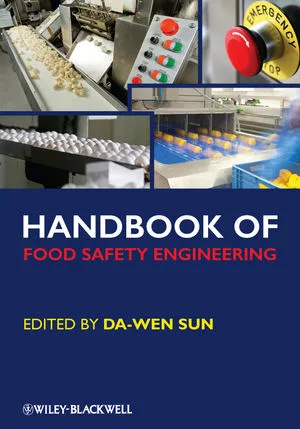
    Handbook of Food Safety Engineering

  • Food-Forensics-3D.jpg

    Food Forensics Handbook Practice, Instrumentation, Case Studies

See More Products

Events

View AllSubmit An Event
  • May 15, 2025

    Town Hall: A Candid Dialogue on the Future of Food Safety

    On Demand: The 13th Annual Town Hall at the Food Safety Summit brings together top food safety leaders for an open and dynamic conversation about the most pressing challenges and opportunities in food safety today. 
View AllSubmit An Event

Related Directories

  • On Target Packaging

    On Target Packaging is a production/maintenance servicer for combination and check weighers. We do not sell or process food, but provide service/repairs, and equipment for the food industry
×

Never miss the latest news and trends driving the food safety industry

eNewsletter | Website | eMagazine

JOIN TODAY!
  • RESOURCES
    • Advertise
    • Contact Us
    • Directories
    • Store
    • Want More
  • SIGN UP TODAY
    • Create Account
    • eMagazine
    • eNewsletter
    • Customer Service
    • Manage Preferences
  • SERVICES
    • Marketing Services
    • Reprints
    • Market Research
    • List Rental
    • Survey/Respondent Access
  • STAY CONNECTED
    • LinkedIn
    • Facebook
    • Instagram
    • X (Twitter)
  • PRIVACY
    • PRIVACY POLICY
    • TERMS & CONDITIONS
    • DO NOT SELL MY PERSONAL INFORMATION
    • PRIVACY REQUEST
    • ACCESSIBILITY

Copyright ©2025. All Rights Reserved BNP Media.

Design, CMS, Hosting & Web Development :: ePublishing