Articles Tagged with ''x-ray''
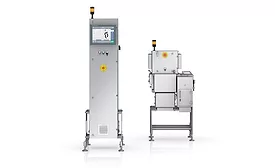
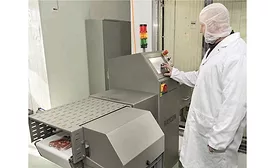
Case study: X-ray inspection system helps to accomplish SQF certification
Food safety system as a competitive advantage
Read More

CANNABIS PRODUCTS | NOVEMBER 2019
Using inspection and detection equipment in cannabis edibles manufacturing
Inspection and Detection 101: Selecting the most suitable inspection and detection equipment depends on cost, material to be detected and the type of product.
Read More

Food Safety
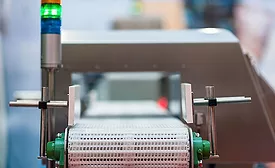
Foreign-object contamination in meat and poultry
Foreign affairs: Processors must leverage appropriate technologies, inspections and training programs to minimize product contamination from foreign objects.
Read More


FlexRay hires president to lead continued growth and expansion
Randy Jesberg joins the executive team to lead company through current growth and future expansion.
Read More

Improve inspection and detection of dairy product contaminants
Advances in inspection and detection technologies are enabling dairy processors to pinpoint even the smallest of metal and other contaminants
Read More


Inspection and detection equipment reach new levels of flexibility for peak food safety
X-ray, metal detection, checkweighing and vision systems help processors ensure food safety
Read More

Food Safety
Preventing foreign-material contamination in meat and poultry processing
A 'fine' job: Foreign-material contamination can have a devastating effect on meat and poultry merchandising, but newer and more sophisticated technologies are enhancing food safety.
Read More
