Food Safety
search
Ask Food Safety AI
cart
facebook twitter linkedin instagram youtube
  • Sign In
  • Create Account
  • Sign Out
  • My Account
Food Safety
  • NEWS
    • Latest News
    • Sponsored Insights
    • Sponsored White Papers
  • PRODUCTS
  • TOPICS
    • Contamination Control
    • Food Types
    • Management
    • Process Control
    • Regulatory
    • Sanitation
    • Supply Chain
    • Testing and Analysis
  • PODCAST
  • EXCLUSIVES
    • Food Safety Five Newsreel
    • eBooks
    • FSM Distinguished Service Award
    • Interactive Product Spotlights
    • Videos
  • BUYER'S GUIDE
  • MORE
    • NEWSLETTERS >
      • Archive Issues
      • Subscribe to eNews
    • Store
    • ASK FSM AI
  • WEBINARS
  • FOOD SAFETY SUMMIT
  • EMAG
    • eMagazine
    • Archive Issues
    • Editorial Advisory Board
    • Contact
    • Advertise
  • SIGN UP!
NewsRegulatorySupply ChainUSDATraceability/Recall

Largest U.S. Government Purchasers of Food Do Not Collect Comprehensive Traceability Data
By Food Safety Magazine Editorial Team
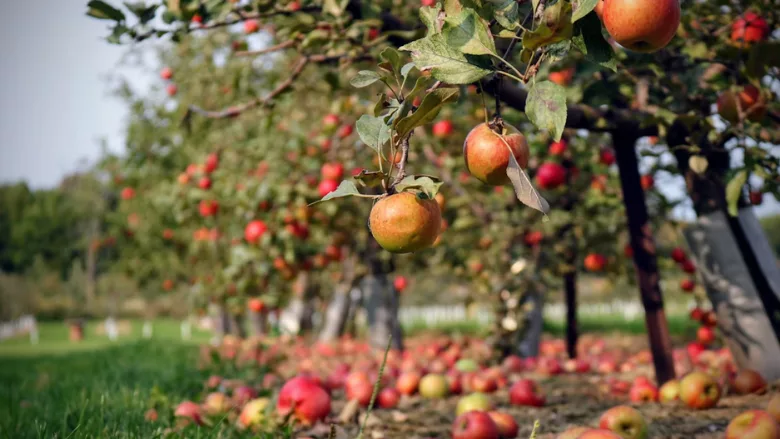
apples on ground apple orchard

Image credit: Skylar Zilka via Unsplash

April 25, 2024

According to a recent report by the U.S. Government Accountability Office (GAO), the U.S. Department of Agriculture’s Agricultural Marketing Service (USDA’s AMS) and the U.S. Defense Logistics Agency (DLA)—the two largest federal purchasers of food in the U.S.—attempt to source locally grown food when possible, but do not collect sufficient data to trace the origins of food purchases.

Both agencies are generally required by law to purchase domestic food, but there are no requirements that this food be locally grown, and neither the AMS nor DLA collects comprehensive data on such purchases. However, both agencies encourage vendors to source locally grown food where available.

From fiscal years (FYs) 2018–2022, AMS and DLA spent more than $30 billion on the purchase of food from domestic vendors for clients such as schools, food backs, and military facilities. Of the total purchases, AMS and DLA obligated $13.6 billion on contracts with small businesses. Additionally, since FY 2021, AMS has provided more than $600 million in financial assistance to states, territories, and tribal governments to purchase foods produced within the same state, or within 400 miles of the delivery destination. Moreover, through the USDA Department of Defense (DOD) Fresh Fruit and Vegetable Program—which provides fresh fruits and vegetables to schools, tribes, and tribal organizations in partnership with USDA—DLA purchased more than $287 million of locally grown food products from FYs 2018–2022.

Looking for quick answers on food safety topics?
Try Ask FSM, our new smart AI search tool.
Ask FSM →


KEYWORDS: report

Share This Story

Fsm purple logo 200x200

The Food Safety Magazine editorial team comprises Bailee Henderson, Director of Content Strategy and news editor ✉, and Adrienne Blume, M.A., Director of Editorial and Industry Engagement.

Recommended Content

JOIN TODAY
to unlock your recommendations.

Already have an account? Sign In

  • people holding baby chicks

    Serovar Differences Matter: Utility of Deep Serotyping in Broiler Production and Processing

    This article discusses the significance of Salmonella in...
    Contamination Control
    By: Nikki Shariat Ph.D.
  • woman washing hands

    Building a Culture of Hygiene in the Food Processing Plant

    Everyone entering a food processing facility needs to...
    Facilities
    By: Richard F. Stier, M.S.
  • graphical representation of earth over dirt

    Climate Change and Emerging Risks to Food Safety: Building Climate Resilience

    This article examines the multifaceted threats to food...
    Contamination Control
    By: Maria Cristina Tirado Ph.D., D.V.M. and Shamini Albert Raj M.A.
Manage My Account
  • eMagazine Subscription
  • Subscribe to Newsletters
  • Manage My Preferences
  • Website Registration
  • Subscription Customer Service

More Videos

Sponsored Content

Sponsored Content is a special paid section where industry companies provide high quality, objective, non-commercial content around topics of interest to the Food Safety Magazine audience. All Sponsored Content is supplied by the advertising company and any opinions expressed in this article are those of the author and not necessarily reflect the views of Food Safety Magazine or its parent company, BNP Media. Interested in participating in our Sponsored Content section? Contact your local rep!

close
  • Man In Warehouse
    Sponsored byRentokil

    Mitigating Hidden Rodent Risks in Food Facilities

  • an industrial manufacturing or processing facility
    Sponsored bybioMérieux

    Get Ahead of Spoilage in Food Manufacturing with Metagenomics for Preventive Monitoring

  • an automated industrial production line used in a modern food factory
    Sponsored byIFC

    A Formula for Food Processing Pest Management

Popular Stories

dozen white eggs

Nearly 100 Sick in Multistate Salmonella Outbreak, Millions of Eggs Recalled

Business people shaking hands with FDA logo overlay

FDA to Centralize Administrative Functions, Generalize Inspectors

packaged sesame seed buns

FDA's Allergen Agenda Is Expanding: Thresholds, Gluten Cross-Contact, and What Food Companies Should Watch for Next

building a skilled workforce ebook

Events

August 6, 2026

Beyond Sanitation: Understanding the Hidden System Conditions That Allow Pathogens to Persist

Live: August 6, 2026 at 2:00 pm EDT: Attend this webinar to learn strategies for strengthening environmental control programs through a layered approach to pathogen management.

August 11, 2026

Beyond Sanitization: Reducing Contamination Risk Without Raising Operating Cost

Live: August 11, 2026 at 2:00 pm EDT: Attend this webinar to learn why ambient air is the largest and most overlooked contamination zone in food processing, and what it costs you between scheduled cleans.

August 25, 2026

Don’t Wing It: Bird Control for Food Processing Facilities

Live: August 25, 2026 at 2:00 pm EDT: This webinar will cover why managing bird activity should be a priority for your business, the complexities involved in effective bird control, and proactive strategies to help protect your facility.

View All

Products

Global Food Safety Microbial Interventions and Molecular Advancements

Global Food Safety Microbial Interventions and Molecular Advancements

See More Products

Related Articles

  • gene editing dna strands

    EFSA Concludes New Genetic Modification Techniques for Food Animals do Not Pose Novel Risks

    See More
  • farmland with sunset in distance

    European Commission Wants to Stop Agri-Food Imports That Do Not Meet EU Production Standards

    See More
  • pensive grocery store shopper

    Gallup: Confidence in U.S. Government’s Assurance of Food Safety Hits Record Low

    See More

Related Products

See More Products
  • 9781498721776.jpg

    Handbook of Food Processing: Food Safety, Quality, and Manufacturing Processes

  • 1444333348.jpg

    Handbook of Food Safety Engineering

  • 9781138070912.jpg

    Trends in Food Safety and Protection

See More Products

Related Directories

  • Institute of Food Technologists

    Founded in 1939, the Institute of Food Technologists (IFT) has grown into a global community working across industry, academia, and government reaching thousands of professionals at more than 3,000 companies, 500 universities, and 90 countries. Our story is rooted in a simple belief: food science matters. It matters for public health. It matters for sustainability. It matters for innovation, equity, and trust in the food system. And progress happens faster when experts are connected.
  • Saldesia 'Goddess of Food Safety'

    Saldesia is a distributor of Food Safety products and solutions. We are focused on supplying the Quality, Production, Safety and Sanitation departments. Product lines include Color Coded, Metal Detectable, Antimicrobial Flooring & Mats, Workwear, Footwear, Spray Nozzles, and more!
  • Association of Food and Drug Officials (AFDO)

    The consensus that AFDO develops is key to advancing uniform laws, regulations, and guidelines that result in more efficient regulation and less confusion among industry in the marketplace. AFDO develops support for its positions by interfacing with high-level regulatory officials, industry representatives, trade associations, and consumer organizations. This continues to have a significant impact on regulations at the federal, state and local level.
×

Never miss the latest news and trends driving the food safety industry

Newsletters | Website | eMagazine

JOIN TODAY!
  • RESOURCES
    • Advertise
    • Contact Us
    • Directories
    • Store
    • Want More
  • SIGN UP TODAY
    • Create Account
    • eMagazine
    • Newsletters
    • Customer Service
    • Manage Preferences
  • SERVICES
    • Marketing Services
    • Reprints
    • Market Research
    • List Rental
    • Survey/Respondent Access
  • STAY CONNECTED
    • LinkedIn
    • Facebook
    • Instagram
    • X (Twitter)
  • PRIVACY
    • PRIVACY POLICY
    • TERMS & CONDITIONS
    • DO NOT SELL MY PERSONAL INFORMATION
    • PRIVACY REQUEST
    • ACCESSIBILITY

Copyright ©2026. All Rights Reserved BNP Media, Inc. and BNP Media II, LLC.

Design, CMS, Hosting & Web Development :: ePublishing