Food Safety
search
Ask Food Safety AI
cart
facebook twitter linkedin instagram youtube
  • Sign In
  • Create Account
  • Sign Out
  • My Account
Food Safety
  • NEWS
    • Latest News
    • Sponsor Insights
    • Sponsored White Papers
  • PRODUCTS
  • TOPICS
    • Contamination Control
    • Food Types
    • Management
    • Process Control
    • Regulatory
    • Sanitation
    • Supply Chain
    • Testing and Analysis
  • PODCAST
  • EXCLUSIVES
    • Food Safety Five Newsreel
    • eBooks
    • FSM Distinguished Service Award
    • Interactive Product Spotlights
    • Videos
  • BUYER'S GUIDE
  • MORE
    • NEWSLETTERS >
      • Archive Issues
      • Subscribe to eNews
    • Store
    • ASK FSM AI
  • WEBINARS
  • FOOD SAFETY SUMMIT
  • EMAG
    • eMagazine
    • Archive Issues
    • Editorial Advisory Board
    • Contact
    • Advertise
  • SIGN UP!
News

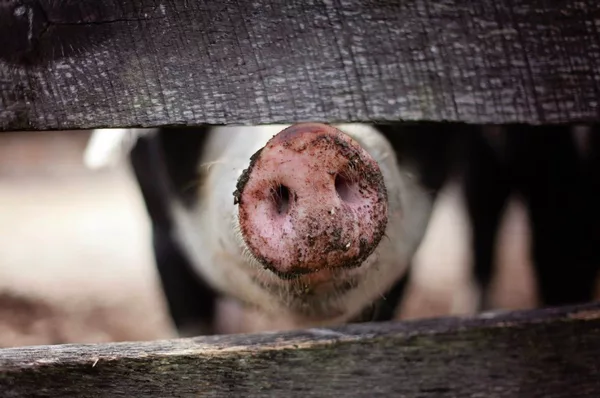
Final Rule for New Swine Inspection System Could Stall Out in Congress
June 6, 2019

Source: Food Safety News 

Change often comes slowly at the U.S. Department of Agriculture’s Food Safety and Inspection Service (USDA FSIS), but it’s not always the agency’s fault.

This week produced one such example. Modernizing swine inspection has been on FSIS’s to do list for about 20 years. Last February, the agency published a proposed rule to make it happen after a final public comment period.

But veteran U.S. Rep. Rosa DeLauro, D-CT, thinks the new swine inspection protocols are coming way too fast. DeLauro, who serves on the House Democratic leadership team, this week got the House Appropriations Committee to accept her amendment to slow down swine inspection changes.

DeLauro, who has served Connecticut’s Third Congressional District since 1991, put forth the amendment requiring USDA’s Inspector General to investigate the issue and demanding USDA “resolve any issues identified before implementing the rule.”

The DeLauro amendment, also sponsored by Rep. David Price, D-GA, would not become law unless approved by the Senate and signed by President Trump. However, if it becomes law, it would be all but impossible to predict when the current regulatory process for swine inspections would come to an end.

Comments on the proposed rule were due on May 2, and USDA might go ahead and adopt a final rule before Congress will finish up its budget business for 2020.

Looking for quick answers on food safety topics?
Try Ask FSM, our new smart AI search tool.
Ask FSM →

Swine inspections are the last vestige of USDA’s “poke and sniff” era. As of May, 113 poultry plants have converted to the New Poultry Inspection System. Nine more conversions to the modernized process are in the works.

Just as proposed for swine, the modern poultry system gives inspectors more critical food safety assignments than just watching the production line. But like poultry, swine inspection modernization has generated controversy for more than two decades.

Existing swine inspections require USDA inspectors to spend a significant amount of time inspecting for quality-related defects rather than verifying food safety-related process controls and the effectiveness of Hazard Analysis and Critical Control Points systems, according to the agency.

Under both the existing and proposed swine inspection systems, FSIS inspectors conduct 100 percent of the inspections before and after slaughter.

Existing inspection protocols limit production line speeds in pork plants and the ability of the businesses to reconfigure and consolidate lines.

The union-friendly National Employment Law Project, which has stirred the controversy in recent years, contends faster line speeds raise worker safety concerns.

DeLauro’s amendment requires the inspector general to review the data USDA used in proposing the rule to change swine inspections. DeLauro claims the rule “transfers vital inspection duties performed by USDA inspectors to company employees.”

While USDA does not comment on pending legislation, FSIS officials are on the record saying it is the only entity doing inspections as required by law.

Both the National Pork Producers Council and the North American Meat Institute (NAMI) want USDA to move forward with a final rule on swine inspections. Just as is occurring with poultry, the New Swine Inspection System (NSIS) is a voluntary, opt-in program with separate mandatory testing requirements for all swine processing facilities.

In a statement, NAMI officials said the new system “supports risk-based, science-driven food safety systems” and “consumers deserve no less.”

The House Appropriations Committee has also proposed a budget provision prohibiting USDA from providing equine inspection services during the fiscal year 2020. No USDA-inspected horse slaughter has occurred in the United States since 2007, and except for 2012 and 2013, budget restrictions have continued the ban.

Meanwhile, some numbers emerged from the House Appropriations Committee mark-up of the Fiscal Year 2020 Agriculture/FDA appropriations bill. According to the Alliance for a Stronger FDA, $3.26 billion in discretionary spending is provided for in the mark-up, representing a $184 million, or 6 percent, increase compared with 2019.

The funding bill could reach the House floor later this month.

The federal fiscal year 2020 begins on Oct. 1.

Sign up for Food Safety Magazine’s bi-weekly emails!

Subscribe to our podcast: Food Safety Matters!


Author(s): Staff

Share This Story

Recommended Content

JOIN TODAY
to unlock your recommendations.

Already have an account? Sign In

  • people holding baby chicks

    Serovar Differences Matter: Utility of Deep Serotyping in Broiler Production and Processing

    This article discusses the significance of Salmonella in...
    Microbiological Control
    By: Nikki Shariat Ph.D.
  • woman washing hands

    Building a Culture of Hygiene in the Food Processing Plant

    Everyone entering a food processing facility needs to...
    Personal Hygiene/Handwashing
    By: Richard F. Stier, M.S.
  • graphical representation of earth over dirt

    Climate Change and Emerging Risks to Food Safety: Building Climate Resilience

    This article examines the multifaceted threats to food...
    Best Practices
    By: Maria Cristina Tirado Ph.D., D.V.M. and Shamini Albert Raj M.A.
Manage My Account
  • eMagazine Subscription
  • Subscribe to Newsletters
  • Manage My Preferences
  • Website Registration
  • Subscription Customer Service

More Videos

Sponsored Content

Sponsored Content is a special paid section where industry companies provide high quality, objective, non-commercial content around topics of interest to the Food Safety Magazine audience. All Sponsored Content is supplied by the advertising company and any opinions expressed in this article are those of the author and not necessarily reflect the views of Food Safety Magazine or its parent company, BNP Media. Interested in participating in our Sponsored Content section? Contact your local rep!

close
  • Darkling Beetle
    Sponsored byElanco Animal Health

    Integrated Pest Management: Protecting Poultry Operations as Seasons Change

  • NEVIFIT 3 Compartment BPA-FREE
    Sponsored byCorbion

    The Risks of Ready-to-Eat: Five Ways to Protect Today's Prepared Meals

  • a group of workers in a food production facility
    Sponsored bySkillUp by Registrar Corp

    How to Build a Better Training Program: Data and Insights from the Global Food Safety Training Survey

Popular Stories

half full baby bottle next to rubber duckie on white surface

Organic Infant Formulas Caused Back-to-Back Botulism Outbreaks—What Gives?

Darkling Beetle

Integrated Pest Management: Protecting Poultry Operations as Seasons Change

June26 eBook Cover

eBook | Building a Skilled and Capable Workforce in the Food Industry

building a skilled workforce ebook

Events

June 30, 2026

FSMA 204 in Practice: Building a Traceability-Ready Operation

Live: June 30, 2026 at 11:00 am EDT: Attend this webinar to learn how food businesses can move from fragmented records toward a more reliable approach for recall response, FDA requests, and supply chain visibility.

July 21, 2026

Using AI Responsibly in Food Safety Management Systems

Live: July 21, 2026 at 2:00 pm EDT: This webinar will provide participants with guidance on how to effectively use generative artificial intelligence (AI) tools to develop key components of a food safety management system (FSMS).

August 6, 2026

Beyond Sanitation: Understanding the Hidden System Conditions That Allow Pathogens to Persist

Live: August 6, 2026 at 2:00 pm EDT: Attend this webinar to learn strategies for strengthening environmental control programs through a layered approach to pathogen management.

View All

Products

Global Food Safety Microbial Interventions and Molecular Advancements

Global Food Safety Microbial Interventions and Molecular Advancements

See More Products

Related Articles

  • Pig Carcasses

    Realities of new swine inspection rule

    See More
  • FSS news generic image

    UFCW files lawsuit to stop new swine inspection rules

    See More
  • bottled water

    FDA Issues Final Rule for Fluoride in Bottled Water

    See More

Related Products

See More Products
  • 1119053595.jpg

    Food Safety for the 21st Century: Managing HACCP and Food Safety throughout the Global Supply Chain, 2E

  • 9781138070912.jpg

    Trends in Food Safety and Protection

  • 1119160553.jpg

    Food Safety: Innovative Analytical Tools for Safety Assessment

See More Products

Related Directories

  • Eagle Product Inspection

    Eagle Product Inspection is a leading manufacturer of hygienically designed x-ray equipment & inline fat analysis systems. Eagle specializes in complex x-ray inspection solutions using dual energy photon-counting technology for bone detection and inline fat analysis for a wide variety of industries, including meat, poultry and seafood.
  • Anritsu - Product Inspection & Detection

    Anritsu manufactures product inspection and detection equipment for food and pharma industries. Part of the Product Quality Assurance division of Anritsu Corp., we advance quality control programs with high-performing and reliable solutions. Our X-Ray Systems, Checkweighers, Metal Detectors, Combo Systems, Rejectors, and QuiCCA Software provide a superior ROI and ensure compliance with stringent quality control programs while protecting your brand. Our local branches in the US, Europe, Brazil, and Mexico are equipped with in-house service & parts dept., we deliver, install, and maintain in record time. With over 200,000 installations, we are the brand that is trusted to protect the safety and security of your customers.
×

Never miss the latest news and trends driving the food safety industry

Newsletters | Website | eMagazine

JOIN TODAY!
  • RESOURCES
    • Advertise
    • Contact Us
    • Directories
    • Store
    • Want More
  • SIGN UP TODAY
    • Create Account
    • eMagazine
    • Newsletters
    • Customer Service
    • Manage Preferences
  • SERVICES
    • Marketing Services
    • Reprints
    • Market Research
    • List Rental
    • Survey/Respondent Access
  • STAY CONNECTED
    • LinkedIn
    • Facebook
    • Instagram
    • X (Twitter)
  • PRIVACY
    • PRIVACY POLICY
    • TERMS & CONDITIONS
    • DO NOT SELL MY PERSONAL INFORMATION
    • PRIVACY REQUEST
    • ACCESSIBILITY

Copyright ©2026. All Rights Reserved BNP Media, Inc. and BNP Media II, LLC.

Design, CMS, Hosting & Web Development :: ePublishing