Food Safety
search
Ask Food Safety AI
cart
facebook twitter linkedin
  • Sign In
  • Create Account
  • Sign Out
  • My Account
Food Safety
  • NEWS
    • Latest News
    • White Papers
  • PRODUCTS
  • TOPICS
    • Contamination Control
    • Food Types
    • Management
    • Process Control
    • Regulatory
    • Sanitation
    • Supply Chain
    • Testing and Analysis
  • PODCAST
  • EXCLUSIVES
    • Food Safety Five Newsreel
    • eBooks
    • FSM Distinguished Service Award
    • Interactive Product Spotlights
    • Videos
  • BUYER'S GUIDE
  • MORE
    • ENEWSLETTER >
      • Archive Issues
      • Subscribe to eNews
    • Store
    • Sponsor Insights
    • ASK FSM AI
  • WEBINARS
  • FOOD SAFETY SUMMIT
  • EMAG
    • eMagazine
    • Archive Issues
    • Editorial Advisory Board
    • Contact
    • Advertise
  • SIGN UP!

FDA continues investigation into source of E.coli O157:H7 outbreak linked to romaine lettuce

FDA Logo
January 10, 2019

Update: January 9, 2019

The FDA, along with CDC, state and local agencies, continues its investigation into the potential source of a multistate outbreak of E. coli O157:H7 illnesses linked to romaine lettuce grown in California this fall.

As of January 9, 2019, the CDC reports that the outbreak appears to be over. Contaminated romaine that made people sick in this outbreak should no longer be available on the market. FDA will continue its investigation into potential sources and contributing factors that led to the outbreak in order to inform future prevention efforts.

The Public Health Agency of Canada (PHAC) and Canadian Food Inspection Agency (CFIA) also coordinated with U.S. agencies as they investigated a similar outbreak in Canada. On December 24, PHAC reported that the outbreak in Canada had ended.

Recommendation:

Consumers: Contaminated romaine that made people sick in this outbreak should no longer be available on the market, consumers need not avoid romaine lettuce grown in specific regions. The FDA continues to recommend to suppliers and distributors that romaine lettuce is labeled with a harvest location and a harvest date or labeled as being hydroponically- or greenhouse-grown. In the case of future product withdrawals or recalls, this will help consumers to determine that romaine they are buying is from an unaffected growing region.

Based on discussions with producers and distributors, romaine lettuce will now be voluntarily labeled with a harvest location and a harvest date or labeled as being hydroponically- or greenhouse-grown. Romaine lettuce with the more detailed labeling is available in stores. Consumers should look for signs in stores where labels are not an option.

Restaurants and Retailers: There is currently no recommendation for restaurants and retailers to avoid serving or selling any romaine lettuce currently on the market. FDA continues to recommend that romaine lettuce is labeled with a harvest location and a harvest date or labeled as being hydroponically- or greenhouse-grown on each bag of romaine lettuce, or that there is signage when labels are not an option.

Looking for quick answers on food safety topics?
Try Ask FSM, our new smart AI search tool.
Ask FSM →

Suppliers and Distributors: There is currently no recommendation that suppliers, distributors and others in the supply chain should avoid shipping or selling any romaine lettuce currently on the market.

FDA recommends, per prior discussions with producers and distributors, that labels with harvest dates and locations be placed on romaine lettuce entering the market. In case of future product withdrawals or recalls of romaine lettuce, this will help to limit the amount of product to be removed from the market and it will help consumers, restaurants and retailers determine that the romaine lettuce they are buying is from an unaffected growing region.


KEYWORDS: lettuce

Share This Story

Recommended Content

JOIN TODAY
to unlock your recommendations.

Already have an account? Sign In

  • people holding baby chicks

    Serovar Differences Matter: Utility of Deep Serotyping in Broiler Production and Processing

    This article discusses the significance of Salmonella in...
    Contamination Control
    By: Nikki Shariat Ph.D.
  • woman washing hands

    Building a Culture of Hygiene in the Food Processing Plant

    Everyone entering a food processing facility needs to...
    Facilities
    By: Richard F. Stier, M.S.
  • graphical representation of earth over dirt

    Climate Change and Emerging Risks to Food Safety: Building Climate Resilience

    This article examines the multifaceted threats to food...
    Contamination Control
    By: Maria Cristina Tirado Ph.D., D.V.M. and Shamini Albert Raj M.A.
Manage My Account
  • eMagazine Subscription
  • Subscribe to eNewsletter
  • Manage My Preferences
  • Website Registration
  • Subscription Customer Service

More Videos

Sponsored Content

Sponsored Content is a special paid section where industry companies provide high quality, objective, non-commercial content around topics of interest to the Food Safety Magazine audience. All Sponsored Content is supplied by the advertising company and any opinions expressed in this article are those of the author and not necessarily reflect the views of Food Safety Magazine or its parent company, BNP Media. Interested in participating in our Sponsored Content section? Contact your local rep!

close
  • Salmonella bacteria
    Sponsored byThermoFisher

    Food Microbiology Testing Methods: Salmonella species

  • a diagram explaining indicator organisms
    Sponsored byHygiena

    How Proactive Listeria Testing Helps Prevent Six- and Seven-Figure Recalls

  • woman grocery shopping
    Sponsored byCorbion

    Designing Safety Into Every Bite: Proactive Risk Mitigation for Refrigerated Foods

Popular Stories

baby eating bottle

Infant Botulism Spike Exceeds 100 Cases, Extent of ByHeart's Involvement Unclear

NRTE breaded stuffed chicken

USDA Indefinitely Delays Enforcement of Salmonella as Adulterant in Raw Breaded, Stuffed Chicken

digital map of europe

EU Publishes Food Fraud Tool Mapping Thousands of Cases Since 2016

Events

December 11, 2025

How to Develop and Implement an Effective Food Defense Strategy

Live: December 11, 2025 at 2:00 pm EDT: From this webinar, attendees will learn common areas where companies encounter challenges in their food defense strategies and how to address them.

May 11, 2026

The Food Safety Summit

Stay informed on the latest food safety trends, innovations, emerging challenges, and expert analysis. Leave the Summit with actionable insights ready to drive measurable improvements in your organization. Do not miss this opportunity to learn from experts about contamination control, food safety culture, regulations, sanitation, supply chain traceability, and so much more.

View All

Products

Global Food Safety Microbial Interventions and Molecular Advancements

Global Food Safety Microbial Interventions and Molecular Advancements

See More Products

Related Articles

  • FSS recalls generic image

    Update: Investigation of E. coli O157:H7 outbreak linked to romaine lettuce from Salinas, CA

    See More
  • FSS recalls generic image

    Update: FDA investigating multistate outbreak of E. coli O157:H7 infections likely linked to romaine lettuce grown in California

    See More
  • lettuce

    Investigation of E. coli O157:H7 outbreak linked to romaine from Salinas, CA: November 2019

    See More

Related Products

See More Products
  • 1444333348.jpg

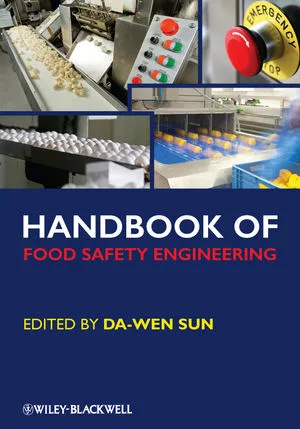
    Handbook of Food Safety Engineering

  • 9781498721776.jpg

    Handbook of Food Processing: Food Safety, Quality, and Manufacturing Processes

  • 1119258073.jpg

    FSMA and Food Safety Systems: Understanding and Implementing the Rules

See More Products

Events

View AllSubmit An Event
  • December 12, 2024

    Cooking Instructions Validation: How to Ensure the Safety of Not-Ready-to-Eat Products

    On Demand: From this webinar, attendees will be able to identify the different requirements for ready-to-eat and not-ready-to-eat products.
View AllSubmit An Event

Related Directories

  • PLM TrustLink

    PLM TrustLink® is a comprehensive software platform for tracking & tracing food throughout the supply chain. From origin to destination, PLM TrustLink® utilizes unique product markers to provide transparency, traceability, and trust of key date elements through critical tracking events. The PLM TrustLink® solution delivers real-time actionable data to improve operational efficiency, food safety and regulatory compliance for customers.
×

Never miss the latest news and trends driving the food safety industry

eNewsletter | Website | eMagazine

JOIN TODAY!
  • RESOURCES
    • Advertise
    • Contact Us
    • Directories
    • Store
    • Want More
  • SIGN UP TODAY
    • Create Account
    • eMagazine
    • eNewsletter
    • Customer Service
    • Manage Preferences
  • SERVICES
    • Marketing Services
    • Reprints
    • Market Research
    • List Rental
    • Survey/Respondent Access
  • STAY CONNECTED
    • LinkedIn
    • Facebook
    • Instagram
    • X (Twitter)
  • PRIVACY
    • PRIVACY POLICY
    • TERMS & CONDITIONS
    • DO NOT SELL MY PERSONAL INFORMATION
    • PRIVACY REQUEST
    • ACCESSIBILITY

Copyright ©2025. All Rights Reserved BNP Media.

Design, CMS, Hosting & Web Development :: ePublishing