Food Safety
search
Ask Food Safety AI
cart
facebook twitter linkedin
  • Sign In
  • Create Account
  • Sign Out
  • My Account
Food Safety
  • NEWS
    • Latest News
    • White Papers
  • PRODUCTS
  • TOPICS
    • Contamination Control
    • Food Types
    • Management
    • Process Control
    • Regulatory
    • Sanitation
    • Supply Chain
    • Testing and Analysis
  • PODCAST
  • EXCLUSIVES
    • Food Safety Five Newsreel
    • eBooks
    • FSM Distinguished Service Award
    • Interactive Product Spotlights
    • Videos
  • BUYER'S GUIDE
  • MORE
    • ENEWSLETTER >
      • Archive Issues
      • Subscribe to eNews
    • Store
    • Sponsor Insights
    • ASK FSM AI
  • WEBINARS
  • FOOD SAFETY SUMMIT
  • EMAG
    • eMagazine
    • Archive Issues
    • Editorial Advisory Board
    • Contact
    • Advertise
  • SIGN UP!
Food TypeBeverages

How Much Do You Know about Wine Safety?

October 20, 2015

Wine is among the oldest of beverages. Today, millions of consumers around the world drink wine to enjoy its beautiful aromatic bouquet, its complex flavors or its ability to complement fine cuisine. However, wine’s original appeal was its safety.

We began producing and drinking wine because it was easy to keep free of bacteria (killed by the high levels of alcohol) and the contaminants, natural and manmade, found in every premodern source of water.

Most people today are well aware of the health and safety issues that come along with drinking too much wine, or drinking it irresponsibly—accidents and poor choices from intoxication, and diseases of the liver, to name a few. However, most of us never hear much about the safety issues that are not related to intoxication or unhealthy over-drinking, but which have resulted in great injury to many consumers.

As a professional sommelier, I’ve seen (or heard stories of) it all. Here are five mostly unknown safety issues to be aware of when storing, serving and consuming wine, just as applicable to the restaurant wait staff as to the home wine enthusiast:

1)    Flying Champagne corks can cause serious harm. Knowing that the pressure inside a bottle of Champagne is between 70 to 90 psi, it’s no surprise that many people suffer from eye and other injuries each year from improperly removed corks. When you open any bottle of sparkling wine, keep your thumb firmly planted over the cork, and place a serviette over your hand. Then, pointing the bottle away from every person in the room (or anything that could be knocked over), twist the cork gently until it begins lifting out of the bottle. Hold tight until the cork is all the way out of the bottle.

2)    Storing wine in an unsecured high place can result in serious injury. A bottle of wine weights about two pounds, and the glass is surprisingly easy to shatter. Where I live in California and in many other places that are prone to earthquakes, this can be a serious issue. Many people store wine for years at a time, and don’t think about the bottles that could have rolled around during a small earthquake. Be sure to secure any top-shelf bottles in your wine cellar or cabinet. Of course, this principle applies to any wine storage space that might be shifted or moved across time. Keep your bottles secure in boxes, specialized shelving, or in crates to ensure against the danger of falling bottles when you next retrieve a wine.

3)    Capsules of screw-top wine bottles are very sharp, if you attempt to remove them. If you’re used to removing a cork from a bottle of wine, you might expect the capsule that goes around the neck of the bottle (usually made from a non-heavy foil) to be easy and safe to remove. However, attempting to remove the metal capsule from a bottle of wine with a screw-top can be dangerous. The metal is several times thicker than a normal capsule and can create extremely sharp if you attempt to remove it from the bottle.

4)     Wine is an extremely sensitive fluid that is easily damages by temperate fluctuations. While temperatures that are too low (below 40 °F) can slow down the aging process and possibly create freeze burn, the biggest problem will be high temperatures. Storing or transporting wine above 90 °F can spoil the wine quickly. Since most of the temperature damage occurs during transport, foodservice operators and wine collectors often don’t find out about a contaminated wine until years later. The damage is not visible from outside the bottle. Gladly, most spoilage is not directly harmful to human health, and a spoiled collection is easily identified by an experienced wine expert. The optimal storage condition for wine is 55 °F, without light and vibrations.

There are just a few of the common wine-related injuries reported each year, which we would all do well to be more vigilant about.

Sommelier Jörn Kleinhans is a certified specialist of wine and owner of The Sommelier Company. Visit www.SommelierCompany.com to learn more.


Author(s): Jörn Kleinhans

Looking for quick answers on food safety topics?
Try Ask FSM, our new smart AI search tool.
Ask FSM →


Share This Story

Recommended Content

JOIN TODAY
to unlock your recommendations.

Already have an account? Sign In

  • people holding baby chicks

    Serovar Differences Matter: Utility of Deep Serotyping in Broiler Production and Processing

    This article discusses the significance of Salmonella in...
    Testing & Analysis
    By: Nikki Shariat Ph.D.
  • woman washing hands

    Building a Culture of Hygiene in the Food Processing Plant

    Everyone entering a food processing facility needs to...
    Personal Hygiene/Handwashing
    By: Richard F. Stier, M.S.
  • graphical representation of earth over dirt

    Climate Change and Emerging Risks to Food Safety: Building Climate Resilience

    This article examines the multifaceted threats to food...
    International
    By: Maria Cristina Tirado Ph.D., D.V.M. and Shamini Albert Raj M.A.
Manage My Account
  • eMagazine Subscription
  • Subscribe to eNewsletter
  • Manage My Preferences
  • Website Registration
  • Subscription Customer Service

More Videos

Sponsored Content

Sponsored Content is a special paid section where industry companies provide high quality, objective, non-commercial content around topics of interest to the Food Safety Magazine audience. All Sponsored Content is supplied by the advertising company and any opinions expressed in this article are those of the author and not necessarily reflect the views of Food Safety Magazine or its parent company, BNP Media. Interested in participating in our Sponsored Content section? Contact your local rep!

close
  • Salmonella bacteria
    Sponsored byThermoFisher

    Food Microbiology Testing Methods: Salmonella species

  • a diagram explaining indicator organisms
    Sponsored byHygiena

    How Proactive Listeria Testing Helps Prevent Six- and Seven-Figure Recalls

  • woman grocery shopping
    Sponsored byCorbion

    Designing Safety Into Every Bite: Proactive Risk Mitigation for Refrigerated Foods

Popular Stories

NRTE breaded stuffed chicken

USDA Indefinitely Delays Enforcement of Salmonella as Adulterant in Raw Breaded, Stuffed Chicken

digital map of europe

EU Publishes Food Fraud Tool Mapping Thousands of Cases Since 2016

non-conforming product

How to Handle Non-Conforming Product

Events

December 11, 2025

How to Develop and Implement an Effective Food Defense Strategy

Live: December 11, 2025 at 2:00 pm EDT: From this webinar, attendees will learn common areas where companies encounter challenges in their food defense strategies and how to address them.

May 11, 2026

The Food Safety Summit

Stay informed on the latest food safety trends, innovations, emerging challenges, and expert analysis. Leave the Summit with actionable insights ready to drive measurable improvements in your organization. Do not miss this opportunity to learn from experts about contamination control, food safety culture, regulations, sanitation, supply chain traceability, and so much more.

View All

Products

Global Food Safety Microbial Interventions and Molecular Advancements

Global Food Safety Microbial Interventions and Molecular Advancements

See More Products

Related Articles

  • How Do You Know? The Evolution of Food Processing Technology

    See More
  • man wearing a hard hat

    Where Food Safety Systems and Culture Collide: Do You Know Your Company's Psychosocial Risks?

    See More

Related Products

See More Products
  • 1119053595.jpg

    Food Safety for the 21st Century: Managing HACCP and Food Safety throughout the Global Supply Chain, 2E

  • 1119160553.jpg

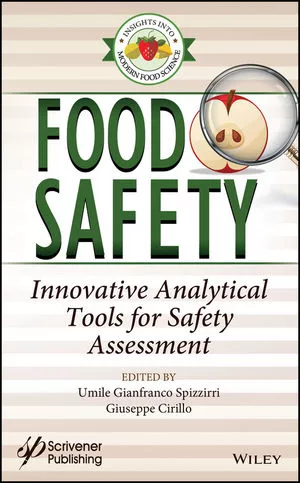
    Food Safety: Innovative Analytical Tools for Safety Assessment

  • food-safety-making.jpg

    Food Safety: Making Foods Safe and Free From Pathogens

See More Products

Related Directories

  • Michigan State University Online Food Safety Program

    MSU's Online Food Safety program strives to educate professionals on how to make global food systems safe. The program consists of a master’s degree and graduate certificate, both entirely online. Each program will provide students with applicable knowledge to navigate the ever-changing concerns surrounding food safety, food protection, and public health.
  • RONCO Safety

    RONCO Safety is a world-class manufacturer of Personal Protective Equipment (PPE). Our trusted distribution network delivers products to end-users striving to comply with safety standards for both their employees and their work processes. RONCO’s “Hand, Head and Body” protection solutions are designed to minimize risk for workers and maintain a safe and healthy occupational environment in a variety of industries.
×

Never miss the latest news and trends driving the food safety industry

eNewsletter | Website | eMagazine

JOIN TODAY!
  • RESOURCES
    • Advertise
    • Contact Us
    • Directories
    • Store
    • Want More
  • SIGN UP TODAY
    • Create Account
    • eMagazine
    • eNewsletter
    • Customer Service
    • Manage Preferences
  • SERVICES
    • Marketing Services
    • Reprints
    • Market Research
    • List Rental
    • Survey/Respondent Access
  • STAY CONNECTED
    • LinkedIn
    • Facebook
    • Instagram
    • X (Twitter)
  • PRIVACY
    • PRIVACY POLICY
    • TERMS & CONDITIONS
    • DO NOT SELL MY PERSONAL INFORMATION
    • PRIVACY REQUEST
    • ACCESSIBILITY

Copyright ©2025. All Rights Reserved BNP Media.

Design, CMS, Hosting & Web Development :: ePublishing