Food Safety
search
Ask Food Safety AI
cart
facebook twitter linkedin
  • Sign In
  • Create Account
  • Sign Out
  • My Account
Food Safety
  • NEWS
    • Latest News
    • White Papers
  • PRODUCTS
  • TOPICS
    • Contamination Control
    • Food Types
    • Management
    • Process Control
    • Regulatory
    • Sanitation
    • Supply Chain
    • Testing and Analysis
  • PODCAST
  • EXCLUSIVES
    • Food Safety Five Newsreel
    • eBooks
    • FSM Distinguished Service Award
    • Interactive Product Spotlights
    • Videos
  • BUYER'S GUIDE
  • MORE
    • ENEWSLETTER >
      • Archive Issues
      • Subscribe to eNews
    • Store
    • Sponsor Insights
    • ASK FSM AI
  • WEBINARS
  • FOOD SAFETY SUMMIT
  • EMAG
    • eMagazine
    • Archive Issues
    • Editorial Advisory Board
    • Contact
    • Advertise
  • SIGN UP!

Supplier's Perspective

Sanitary design leads to improved food safety
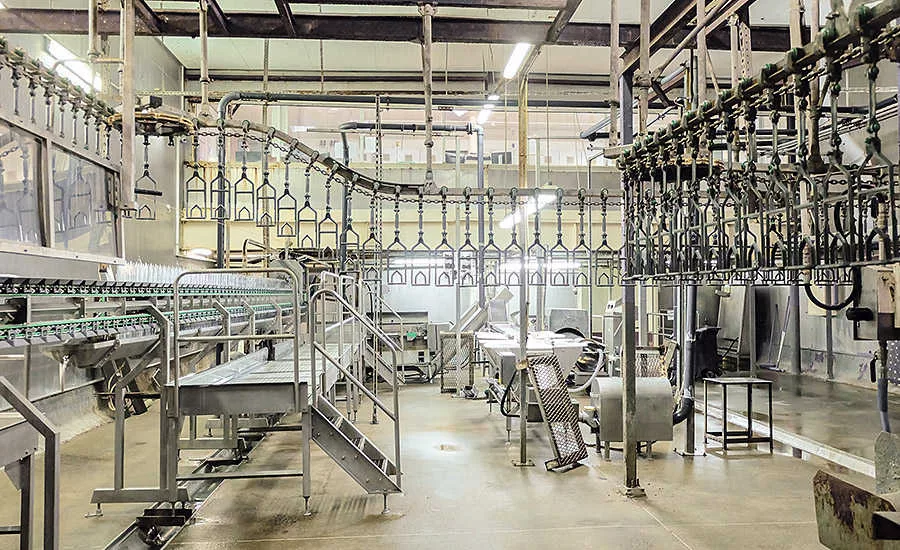
Sanitary Food Processing Facility
January 7, 2020

In the food and beverage industry, sanitary design refers to the application of design techniques that allow the timely and effective cleaning of the entire manufacturing asset.

Randy Porter, senior director of food safety for the Acheson Group, says sanitary design improves food safety, helps companies avoid costly product recalls and provides operational efficiencies by reducing labor costs and the time and effort required to clean the equipment in the facility.

“Plant managers must be able to recognize that sanitary design not only helps support their food safety philosophy, but also supports the overall business philosophy,” says Porter.


Basic sanitary design principles

Porter says that when building a new food or beverage processing facility or renovating an existing space, it’s important to focus on these basic sanitary design principles:

• Raw separated from ready-to-eat: Keeping physical separation between the raw production side of the building and the ready-to-eat side of the building can prevent cross-contamination. 

• Cleanable surfaces: It’s important to look for equipment that allows easy access and adequate space for cleaning.

• Smooth surfaces and corrosion resistant: In a wet environment, carbon steel framework on a piece of equipment doesn’t survive very long and can become uncleanable once rust gets inside.

• Self-draining: The equipment should continuously flow and not have spaces where product and liquid will sit and increase the chances of contamination.

Looking for quick answers on food safety topics?
Try Ask FSM, our new smart AI search tool.
Ask FSM →

• Proper ventilation: Ventilation and appropriately filtered air are essential to preventing the formation of condensation, odor or mold that could result in raw materials or food becoming contaminated.

• Proper material construction: It’s important to ensure materials are well-suited for the environment, whether it be wet or dry. For example, it would not be wise to use drywall in a wet wash-down environment.

• Framework not penetrated: Tubular steel equipment framework must be sealed and impenetrable to prevent it from collecting moisture and bacteria.


Electrical equipment in sanitary design

Many companies elect to renovate existing buildings to meet their needs in a cost-effective way. Advances in electrical systems that make this possible while also meeting sanitary design principles include:

• Stainless-steel cable management: Stainless-steel cable management systems offer good corrosion resistance against water and food products, meeting the requirements for the proper material construction sanitary design principle.

• Watertight plugs and connectors: Watertight plugs and connectors fall in line with the proper material construction and the corrosion-resistant sanitary design principles. Watertight compression cord grips and a multi-point sealing system between the plug and connector ensure protection from water and contaminants.

• Stainless-steel safety switches: Stainless-steel safety switches certified by the National Sanitation Foundation (NSF) are made with smooth, continuous surfaces to allow easier access as well as quicker, more effective cleaning. Safety switches designed with a sloped roof help facilitate runoff and minimize contaminant buildup.

• Wiring devices with antimicrobial protection: This type of wiring device has antimicrobial additives embedded into all polymer components, providing long-lasting protection against the growth of bacteria, molds, mildews and fungi, even if it is nicked, scuffed or damaged.

Renovating an existing food-processing facility with modern electrical systems and a focus on sanitary design can help prevent costly product recalls and create operational efficiencies and is more cost-effective than building a new facility.


This article was originally posted on www.provisioneronline.com.
KEYWORDS: sanitary design principles

Share This Story

Recommended Content

JOIN TODAY
to unlock your recommendations.

Already have an account? Sign In

  • people holding baby chicks

    Serovar Differences Matter: Utility of Deep Serotyping in Broiler Production and Processing

    This article discusses the significance of Salmonella in...
    Methods
    By: Nikki Shariat Ph.D.
  • woman washing hands

    Building a Culture of Hygiene in the Food Processing Plant

    Everyone entering a food processing facility needs to...
    Facilities
    By: Richard F. Stier, M.S.
  • graphical representation of earth over dirt

    Climate Change and Emerging Risks to Food Safety: Building Climate Resilience

    This article examines the multifaceted threats to food...
    Management
    By: Maria Cristina Tirado Ph.D., D.V.M. and Shamini Albert Raj M.A.
Manage My Account
  • eMagazine Subscription
  • Subscribe to eNewsletter
  • Manage My Preferences
  • Website Registration
  • Subscription Customer Service

More Videos

Sponsored Content

Sponsored Content is a special paid section where industry companies provide high quality, objective, non-commercial content around topics of interest to the Food Safety Magazine audience. All Sponsored Content is supplied by the advertising company and any opinions expressed in this article are those of the author and not necessarily reflect the views of Food Safety Magazine or its parent company, BNP Media. Interested in participating in our Sponsored Content section? Contact your local rep!

close
  • Salmonella bacteria
    Sponsored byThermoFisher

    Food Microbiology Testing Methods: Salmonella species

  • a diagram explaining indicator organisms
    Sponsored byHygiena

    How Proactive Listeria Testing Helps Prevent Six- and Seven-Figure Recalls

  • woman grocery shopping
    Sponsored byCorbion

    Designing Safety Into Every Bite: Proactive Risk Mitigation for Refrigerated Foods

Popular Stories

NRTE breaded stuffed chicken

USDA Indefinitely Delays Enforcement of Salmonella as Adulterant in Raw Breaded, Stuffed Chicken

non-conforming product

How to Handle Non-Conforming Product

spoonfuls of food ingredients

FDA’s Developing Rule to Tighten GRAS Oversight Moves to White House

Events

December 11, 2025

How to Develop and Implement an Effective Food Defense Strategy

Live: December 11, 2025 at 2:00 pm EDT: From this webinar, attendees will learn common areas where companies encounter challenges in their food defense strategies and how to address them.

May 11, 2026

The Food Safety Summit

Stay informed on the latest food safety trends, innovations, emerging challenges, and expert analysis. Leave the Summit with actionable insights ready to drive measurable improvements in your organization. Do not miss this opportunity to learn from experts about contamination control, food safety culture, regulations, sanitation, supply chain traceability, and so much more.

View All

Products

Global Food Safety Microbial Interventions and Molecular Advancements

Global Food Safety Microbial Interventions and Molecular Advancements

See More Products

Related Articles

  • BISSC standards help snack and bakery equipment manufacturers ensure peak food safety through sanitary design

    BISSC standards help snack and bakery equipment manufacturers ensure peak food safety through sanitary design

    See More
  • Six Steps to Effective Sanitary Design for the Food Plant

    See More
  • Company Culture and the Path to Improved Food Safety: Setting the Tone to Support a Strong Food Safety Culture

    See More

Related Products

See More Products
  • 1119053595.jpg

    Food Safety for the 21st Century: Managing HACCP and Food Safety throughout the Global Supply Chain, 2E

  • 1119160553.jpg

    Food Safety: Innovative Analytical Tools for Safety Assessment

  • 9781498721776.jpg

    Handbook of Food Processing: Food Safety, Quality, and Manufacturing Processes

See More Products

Related Directories

  • We R Food Safety Inc.

    Scalable, affordable and fully customizable software designed by industry experts and backed by a world-class team of consultants and support personnel. Our proprietary software modernizes your food safety systems, provides your staff real-time data and visibility. We have the ability to construct custom reporting providing you information that is important to your business.
×

Never miss the latest news and trends driving the food safety industry

eNewsletter | Website | eMagazine

JOIN TODAY!
  • RESOURCES
    • Advertise
    • Contact Us
    • Directories
    • Store
    • Want More
  • SIGN UP TODAY
    • Create Account
    • eMagazine
    • eNewsletter
    • Customer Service
    • Manage Preferences
  • SERVICES
    • Marketing Services
    • Reprints
    • Market Research
    • List Rental
    • Survey/Respondent Access
  • STAY CONNECTED
    • LinkedIn
    • Facebook
    • Instagram
    • X (Twitter)
  • PRIVACY
    • PRIVACY POLICY
    • TERMS & CONDITIONS
    • DO NOT SELL MY PERSONAL INFORMATION
    • PRIVACY REQUEST
    • ACCESSIBILITY

Copyright ©2025. All Rights Reserved BNP Media.

Design, CMS, Hosting & Web Development :: ePublishing