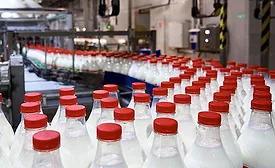
The need for packaging materials that preserve the quality of products while preventing microbial contamination has become a critical focus for the beverage and dairy industries
This article looks at the use of UV-C light in combination with hydrogen peroxide (H2O2) to disinfect packages in the extended shelf life of milk and plant-based products.
The Canadian Food Inspection Agency (CFIA) has completed its root cause investigation of the summer 2024 listeriosisoutbreak linked to plant-based Silk and Great Value milks. The agency was unable to confirm the primary source of the contamination, but found that the production facility was not compliant with testing requirements.
A Canadian foodborne listeriosis outbreak linked to plant-based milks has sickened at least 20 people, hospitalized 15, and caused three deaths. A recall has been issued.
Recent sampling and testing of ingredients used for plant-based dairy alternatives has revealed highly variable microbial loads among ingredients, although many samples contained a high proportion of spore-forming microbes as part of the total counts.
Traditional dairy processors have begun to develop various milk alternatives alongside their standard product lines to adapt to shifting consumer demand. To effectively analyze and test traditional product lines while overcoming the difficulties of testing novel plant-based milk, they must have access to adaptable instruments and accommodate specific food safety concerns.
The U.S. Food and Drug Administration (FDA) has announced draft recommendations for industry on the naming of plant-based foods that are marketed and sold as alternatives to milk.