Food Safety
search
Ask Food Safety AI
cart
facebook twitter linkedin instagram youtube
  • Sign In
  • Create Account
  • Sign Out
  • My Account
Food Safety
  • NEWS
    • Latest News
    • White Papers
  • PRODUCTS
  • TOPICS
    • Contamination Control
    • Food Types
    • Management
    • Process Control
    • Regulatory
    • Sanitation
    • Supply Chain
    • Testing and Analysis
  • PODCAST
  • EXCLUSIVES
    • Food Safety Five Newsreel
    • eBooks
    • FSM Distinguished Service Award
    • Interactive Product Spotlights
    • Videos
  • BUYER'S GUIDE
  • MORE
    • NEWSLETTERS >
      • Archive Issues
      • Subscribe to eNews
    • Store
    • Sponsor Insights
    • ASK FSM AI
  • WEBINARS
  • FOOD SAFETY SUMMIT
  • EMAG
    • eMagazine
    • Archive Issues
    • Editorial Advisory Board
    • Contact
    • Advertise
  • SIGN UP!

Finding an allergen-free contract manufacturer
By Blake Sorensen
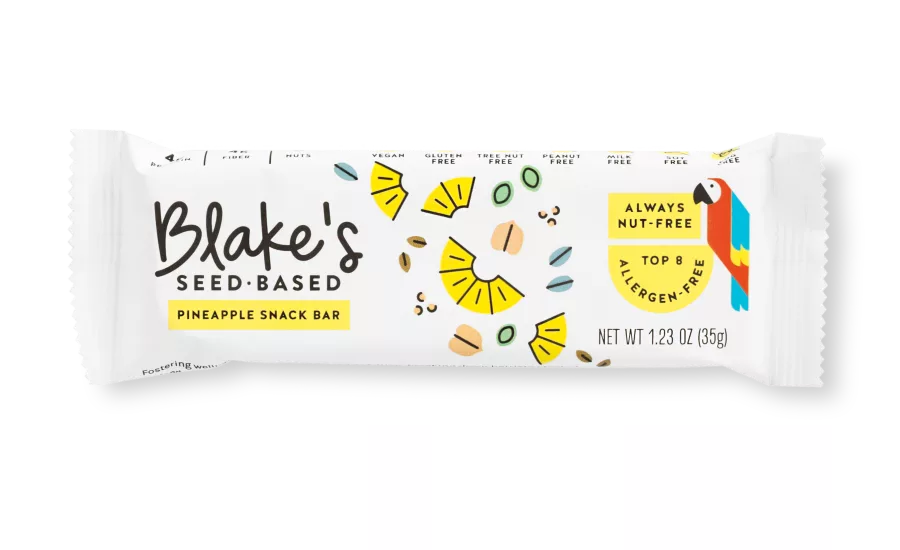
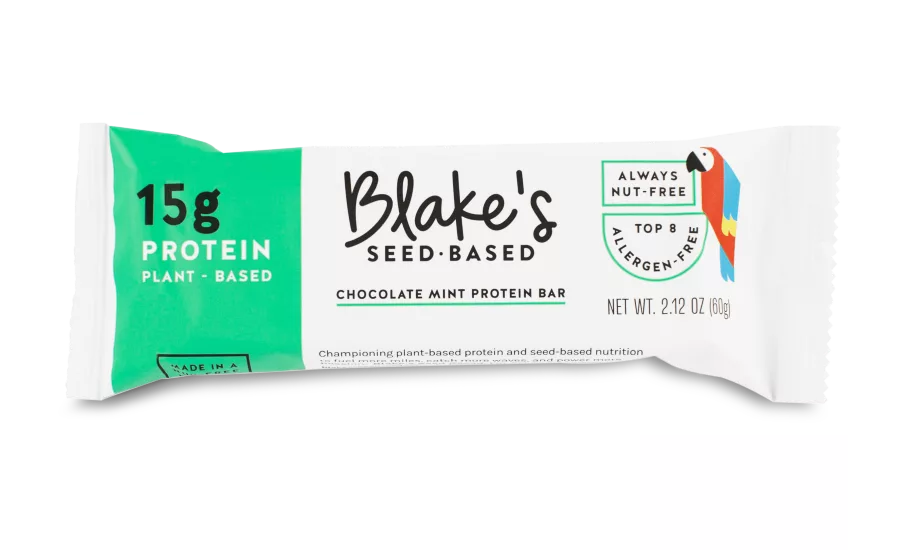
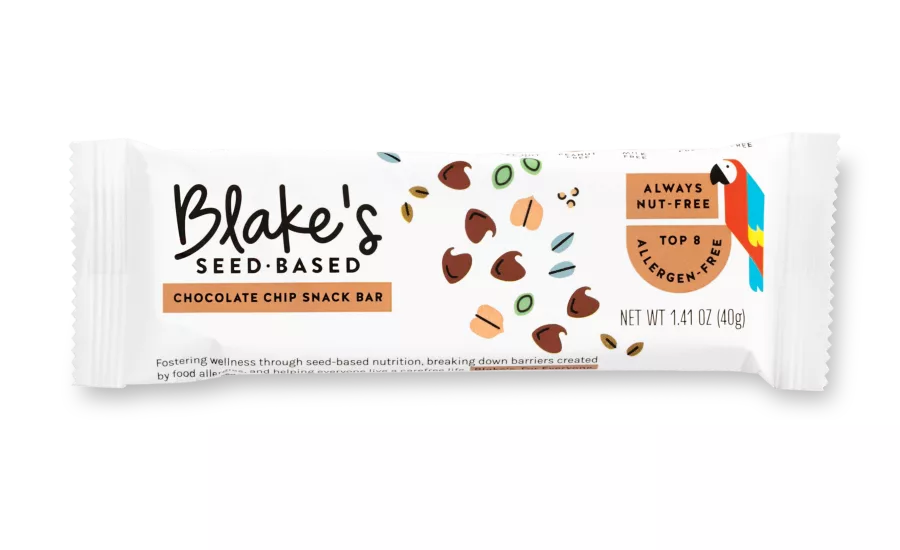
Blakes Protein Bar allergen-free
Blake Sorensen
Blakes Protein Bar allergen-free
Blake Sorensen
December 21, 2018

Scaling your food business from your kitchen to a contract manufacturer can seem like a daunting task. A million questions go through your mind. How do I find the right contract manufacturer? Can they create my recipes on their equipment? What is their minimum order quantity? Are they the correct long-term partner? Are they financially stable? The questions can be overwhelming.

This process is complicated even further when you are searching for a contract manufacturer with an allergen-free facility.

Today, over 15 million people in the United States are living with food allergies, with 90 percent of them affected by just eight foods (tree nuts, peanuts, milk, eggs, soy, fish, shellfish, and wheat). 1 in 13 children now has a food allergy. Food allergies are increasing at an alarming rate. The number of children with a peanut or tree nut allergy has almost tripled in the last 20 years.

With the rise in food allergies, consumer needs and expectations have changed. Consumers demand more choice of safe, healthy, and great tasting products as well as greater safety standards and transparency in manufacturing. Those living with food allergies must be aware of what they’re eating at all times. Not only do the ingredients in products matter to people with food allergies, but so does the actual facility in which the products are made. Some food allergies are so severe, that even the slight presence of an allergen in the facility or on the manufacturing line can cause serious harm.  

My journey to find an allergen-free manufacturer brought me all over the country. I was determined to find an allergen-free contract manufacturer that I trusted with my life (I have a deathly nut allergy) and the lives of other consumers with food allergies. Here were some of the top things I learned along the way.
 

1) Visit the Contract Manufacturer in Person

Nothing replaces seeing a facility in person—you need to see for yourself how the product is actually made. You can learn a lot by meeting the individuals who make the product and run the facility. Do they understand food allergies? What certifications do they have? Are any allergens present in the facility? Do they test for food allergens pre, during, and post production? Show up and ask the hard questions. I was shocked to read about “pristine facilities” that claimed to be allergen-free online, only to show up in person and find out this was a flat-out lie. This process can take months so start visiting the facilities early on.

Looking for quick answers on food safety topics?
Try Ask FSM, our new smart AI search tool.
Ask FSM →


2) Be Patient and Build Trust

Finding an allergen-free facility is not easy, but the worst thing you can do is rush to a decision and choose a bad partner. Due to the seriousness of food allergies, choosing a contract manufacturer that you trust is absolutely critical. It is your brand on the package, but your brand relies on the integrity and capabilities of your manufacturer. Ensure that both sides are aware of exactly how the ingredients are sourced, how the products are produced, and what certifications the facility and your products have. Put it in writing. Clearly communicate all food-allergen information on your packaging. One mishap one either side could be fatal for the consumer.


3) Run A Test Batch

Once you find a facility that matches your allergen-free standards, have the manufacturer make a test batch (or several!) of your product. Ensure that the facility can produce your recipe on their equipment. Make sure the taste, texture, and size of the products are exactly how you want them before you move forward. Every facility has different equipment and processes, so making a test batch up front can avoid a lot of wasted time and cost for both sides.

Overall, finding an allergen-free facility is a very tough process, especially since there are so few options available in the U.S. If you’re selling allergen-free products, first and foremost you’re selling trust. That trust starts with the relationship between you and your contract manufacturer. Despite the challenges, this process is also extremely rewarding. Consumers with food allergies will eventually thank you for taking the extra precaution in creating products that are allergen-free, from source to production. There is nothing more fulfilling than providing allergen-free products to consumers who need them most.


KEYWORDS: allergens manufacturers

Share This Story

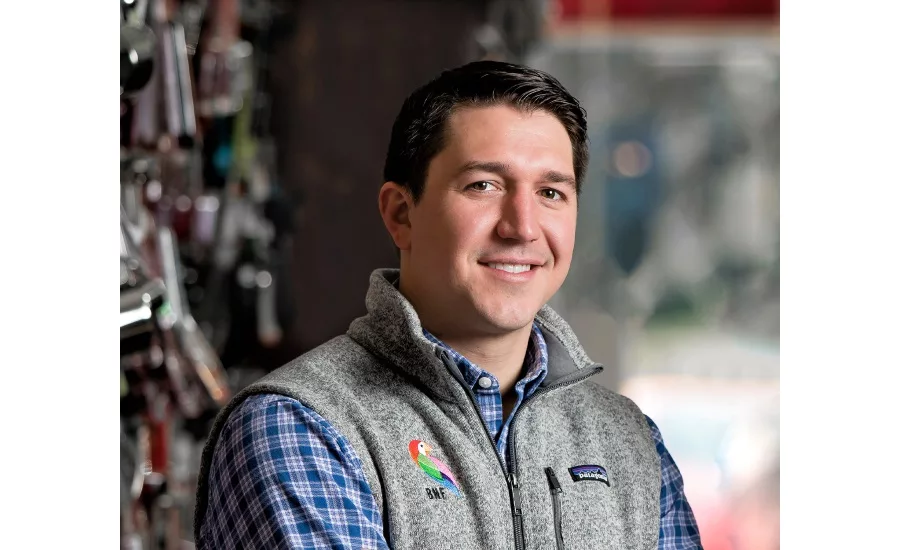
Blake Sorensen is the founder of Blake's Seed Based.

Recommended Content

JOIN TODAY
to unlock your recommendations.

Already have an account? Sign In

  • people holding baby chicks

    Serovar Differences Matter: Utility of Deep Serotyping in Broiler Production and Processing

    This article discusses the significance of Salmonella in...
    Contamination Control
    By: Nikki Shariat Ph.D.
  • woman washing hands

    Building a Culture of Hygiene in the Food Processing Plant

    Everyone entering a food processing facility needs to...
    Training
    By: Richard F. Stier, M.S.
  • graphical representation of earth over dirt

    Climate Change and Emerging Risks to Food Safety: Building Climate Resilience

    This article examines the multifaceted threats to food...
    International
    By: Maria Cristina Tirado Ph.D., D.V.M. and Shamini Albert Raj M.A.
Manage My Account
  • eMagazine Subscription
  • Subscribe to Newsletters
  • Manage My Preferences
  • Website Registration
  • Subscription Customer Service

More Videos

Sponsored Content

Sponsored Content is a special paid section where industry companies provide high quality, objective, non-commercial content around topics of interest to the Food Safety Magazine audience. All Sponsored Content is supplied by the advertising company and any opinions expressed in this article are those of the author and not necessarily reflect the views of Food Safety Magazine or its parent company, BNP Media. Interested in participating in our Sponsored Content section? Contact your local rep!

close
  • This image displays a multi-stage water filtration system designed to remove contaminants from drinking water.
    Sponsored byWaterdrop Filter

    The 4.0 ppt Era: Future-Proofing Your Food Supply Chain Against "Forever Chemicals"

  • The image displays a bottling plant production line, commonly used in the beverage industry for filling and packaging soft drinks.
    Sponsored byBIOIONIX

    Sustainability with ROI: A Beverage Producer Case Study in Water Savings

  • factory
    Sponsored byIFC

    A Clean Break to Reset the Environment with Chlorine Dioxide

Popular Stories

workers and inspector in processing facility

Gearing Up for an FDA Inspection

woman looking at box of packaged food in grocery store seeming pensive

RFK Jr. Says Federal Ultra-Processed Foods Definition is Coming in April

magnifying glass hovering over question mark on yellow background

FDA Redacts All Key Details in Summary of Fatal Listeriosis Outbreak Linked to Produce

Events

March 26, 2026

Continuous Pathogen Control: Enhancing Sanitation and Environmental Monitoring in Food Processing

Live: March 26, 2026, at 2:00 pm EST: This session explores the role of continuous airborne pathogen control technology in supporting sanitation and environmental monitoring programs within food processing environments.

March 31, 2026

Regulatory Risk, Ingredient Safety, and GRAS: What Companies Need to Act on Now

Live: March 31, 2026, at 11:00 am EDT: From this webinar, attendees will recognize patterns in food policy affecting dietary guidelines, UPFs, state legislative actions, and expected GRAS reform.

April 8, 2026

Foreign Material Contamination: Why In-Line Reinspection Isn't Enough

Live: April 8, 2026, at 11:00 am EDT: From this webinar, attendees will learn why re-inspecting with in-line equipment is not sufficient when it comes to potential foreign material contamination.

View All

Products

Global Food Safety Microbial Interventions and Molecular Advancements

Global Food Safety Microbial Interventions and Molecular Advancements

See More Products

Related Articles

  • Rick Stier

    An allergen-free warehouse

    See More
  • Best practices for maintaining an allergen-free snack or bakery facility

    Best practices for maintaining an allergen-free snack or bakery facility

    See More
  • certified free from label

    MenuTrinfo’s “Certified Free From” Seal Assures Allergen-Free Label Claims

    See More

Related Products

See More Products
  • food-safety-making.jpg

    Food Safety: Making Foods Safe and Free From Pathogens

  • 9781138198463.jpg

    Food Safety Management Programs: Applications, Best Practices, and Compliance

  • shelf life.jpg

    Shelf Life and Food Safety

See More Products

Related Directories

  • Loma Systems, an ITW Co.

    Established in 1969, LOMA SYSTEMS® is a leading manufacturer of advanced inspection systems for the food and pharmaceutical industries. With the addition of Lock Inspection and Cintex, Loma has built on this heritage to become a major supplier of metal detectors, checkweighers and X-ray inspection equipment.
×

Never miss the latest news and trends driving the food safety industry

Newsletters | Website | eMagazine

JOIN TODAY!
  • RESOURCES
    • Advertise
    • Contact Us
    • Directories
    • Store
    • Want More
  • SIGN UP TODAY
    • Create Account
    • eMagazine
    • Newsletters
    • Customer Service
    • Manage Preferences
  • SERVICES
    • Marketing Services
    • Reprints
    • Market Research
    • List Rental
    • Survey/Respondent Access
  • STAY CONNECTED
    • LinkedIn
    • Facebook
    • Instagram
    • X (Twitter)
  • PRIVACY
    • PRIVACY POLICY
    • TERMS & CONDITIONS
    • DO NOT SELL MY PERSONAL INFORMATION
    • PRIVACY REQUEST
    • ACCESSIBILITY

Copyright ©2026. All Rights Reserved BNP Media.

Design, CMS, Hosting & Web Development :: ePublishing