Food Safety
search
Ask Food Safety AI
cart
facebook twitter linkedin instagram youtube
  • Sign In
  • Create Account
  • Sign Out
  • My Account
Food Safety
  • NEWS
    • Latest News
    • Food Safety Five Newsreel
  • PRODUCTS
  • TOPICS
    • Contamination Control
    • Food Types
    • Management
    • Process Control
    • Regulatory
    • Sanitation
    • Supply Chain
    • Testing and Analysis
  • PODCAST
  • EXCLUSIVES
    • eBooks
    • Sponsored Insights
    • Sponsored White Papers
    • FSM Distinguished Service Award
    • Interactive Product Spotlights
    • Videos
  • MORE
    • BUYER'S GUIDE
    • NEWSLETTERS >
      • Archive Issues
      • Subscribe to eNews
    • Store
    • ASK FSM AI
  • WEBINARS
  • FOOD SAFETY SUMMIT
  • FSM FEATURES
    • FSM Features Collection
    • eMag Archives
    • Editorial Advisory Board
    • Contact
    • Advertise
  • SIGN UP!
News

CDC Ends Multistate E. coli Outbreak Investigation Linked to Flour

A90b3f78 b6d1 4a9f 8b363a6f5b35b18a
September 30, 2016

The U.S. Centers for Disease Control and Prevention (CDC) has declared an end to a multistate outbreak linked to flour.

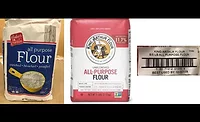
The CDC, along with the U.S. Food and Drug Administration and various state health agencies, investigated a multistate outbreak of Shiga toxin-producing Escherichia coli (STEC) infections. Epidemiologic, laboratory, and traceback evidence linked the outbreak to flour produced by a General Mills plant in Kansas City, MO. As a result, General Mills recalled 10 million pounds of flour in May 2016. The recall was expanded in July after more illnesses were reported.

To date, the agency has officially confirmed 63 cases in 24 states. There have been 17 hospitalizations and one case of hemolytic uremic syndrome, a type of kidney failure, but no deaths have been linked to the contaminated flour.

Although the investigation is over, the CDC expects additional illnesses to come about since flour and products containing flour have long shelf lives and may still be used in consumers’ homes. Also, it is possible that some consumers are still not aware of the contaminated flour recall.

Consumers are strongly urged not to eat raw dough or batter from any flour product. Flour or other ingredients used to make raw dough or batter can be contaminated with STEC and other germs that can make people sick.

Related articles:
General Mills Recalls 10 Million Pounds of Flour Due to E. coli
More E. coli Illnesses Prompt General Mills Recall Expansion


Author(s): Staff

Looking for quick answers on food safety topics?
Try Ask FSM, our new smart AI search tool.
Ask FSM →


Share This Story

Recommended Content

JOIN TODAY
to unlock your recommendations.

Already have an account? Sign In

  • people holding baby chicks

    Serovar Differences Matter: Utility of Deep Serotyping in Broiler Production and Processing

    This article discusses the significance of Salmonella in...
    Contamination Control
    By: Nikki Shariat Ph.D.
  • woman washing hands

    Building a Culture of Hygiene in the Food Processing Plant

    Everyone entering a food processing facility needs to...
    Food Prep/Handling
    By: Richard F. Stier, M.S.
  • graphical representation of earth over dirt

    Climate Change and Emerging Risks to Food Safety: Building Climate Resilience

    This article examines the multifaceted threats to food...
    Best Practices
    By: Maria Cristina Tirado Ph.D., D.V.M. and Shamini Albert Raj M.A.
Manage My Account
  • eMagazine Subscription
  • Subscribe to Newsletters
  • Manage My Preferences
  • Website Registration
  • Subscription Customer Service

More Videos

Sponsored Content

Sponsored Content is a special paid section where industry companies provide high quality, objective, non-commercial content around topics of interest to the Food Safety Magazine audience. All Sponsored Content is supplied by the advertising company and any opinions expressed in this article are those of the author and not necessarily reflect the views of Food Safety Magazine or its parent company, BNP Media. Interested in participating in our Sponsored Content section? Contact your local rep!

close
  • pre-packaged salads, noodles, and prepared meals stocked on multi-tier grocery store refrigerator shelves
    Sponsored byCorbion

    How Many Days of Shelf Life Are You Leaving on the Table?

  • Top view portrait of two factory workers standing by conveyor belt during quality inspection at food production, copy space
    Sponsored byFlexXray

    Foreign Material By the Numbers: What the 2026 Benchmark Report Reveals

  • a conveyorized industrial metal detector system that appears to resemble a Loma Systems IQ4 Metal Detector setup with an integrated conveyor belt and control panel for food or package inspection.
    Sponsored byMettler Toledo

    Beyond Detection: How to Avoid Physical Contamination in Food Through a Smarter Inspection Strategy

Popular Stories

choosing food in the freezer aisle

Refrigerator Malfunctions on U.S. Military Bases May Be Result of Targeted Cyberattacks, Similar to French Incident

This image depicts a meat processing facility

Study Finds Differences Between Beef, Pork Microbial Contamination During Processing

doctor talking to patient

U.S. is Making Little Progress Toward 2030 Foodborne Illness Reduction Goals, Data Shows

allergens ebook

Events

November 5, 2026

How Middle Managers Shape Food Safety Culture and Risk Performance

Live: November 5, 2026 at 11:00 am EST: From this webinar, attendees will learn how investing in middle managers improves both FSQ strategy implementation and accountability across all levels of the company.

November 12, 2026

From Data Overload to Actionable Food Safety Risk Intelligence

Live: November 12, 2026 at 11:00 am EST: This webinar explores how data integration, advanced analytics, and digital technologies can help transform disparate information into meaningful risk intelligence.

November 17, 2026

Are You Getting the Most from Your Food Safety Testing?

Live: November 17, 2026 at 11:00 am EST: Attend this webinar to explore practical ways food processors can modernize sanitation verification and microbiological testing while keeping workflows simple and effective.

View All

Products

Global Food Safety Microbial Interventions and Molecular Advancements

Global Food Safety Microbial Interventions and Molecular Advancements

See More Products

Related Articles

  • beef-123rf copy.jpg

    Multistate E. coli Outbreak Linked to New England Meat Producer

    See More
  • King Arthur Flour recall

    Another brand of flour recalled in expanded E. coli outbreak investigation

    See More
  • cdc logo.png

    CDC: Multistate E. coli Outbreak Caused by Meat Products Appears to Be Over

    See More

Related Products

See More Products
  • global food.jpg

    Global Food Safety Microbial Interventions and Molecular Advancements

  • 1119258073.jpg

    FSMA and Food Safety Systems: Understanding and Implementing the Rules

  • 1119053595.jpg

    Food Safety for the 21st Century: Managing HACCP and Food Safety throughout the Global Supply Chain, 2E

See More Products

Events

View AllSubmit An Event
  • June 10, 2026

    A Practical Guide to Spoilage Investigation and Prevention

    On Demand: Join this webinar to learn how to identify spoilage root causes, reduce risk, and apply data-driven strategies for prevention.
View AllSubmit An Event

Related Directories

  • PLM TrustLink®

    PLM TrustLink® is a comprehensive software platform for tracking & tracing food throughout the supply chain. From origin to destination, PLM TrustLink® utilizes unique product markers to provide transparency, traceability, and trust of key data elements through critical tracking events. The PLM TrustLink® solution delivers real-time actionable data to improve operational efficiency, food safety and regulatory compliance for customers.
  • BioSafe Systems

    BioSafe Systems is a leading U.S. manufacturer of peroxyacetic acid (PAA)-based solutions, delivering trusted food safety, water treatment, and processing solutions through clean chemistry and automated equipment. Our proven products help growers and processors control pathogens such as E. coli and Salmonella, reduce microbial risk, and improve efficiency across the fresh produce supply chain.
×

Never miss the latest news and trends driving the food safety industry

Newsletters | Website | FSM Features Collection

JOIN TODAY!
  • RESOURCES
    • Advertise
    • Contact Us
    • Directories
    • Store
    • Want More
  • SIGN UP TODAY
    • Create Account
    • eMagazine
    • Newsletters
    • Customer Service
    • Manage Preferences
  • SERVICES
    • Marketing Services
    • Reprints
    • Market Research
    • List Rental
    • Survey/Respondent Access
  • STAY CONNECTED
    • LinkedIn
    • Facebook
    • Instagram
    • X (Twitter)
  • PRIVACY
    • PRIVACY POLICY
    • TERMS & CONDITIONS
    • DO NOT SELL MY PERSONAL INFORMATION
    • PRIVACY REQUEST
    • ACCESSIBILITY

Copyright ©2026. All Rights Reserved BNP Media, Inc. and BNP Media II, LLC.

Design, CMS, Hosting & Web Development :: ePublishing