Food Safety
search
Ask Food Safety AI
cart
facebook twitter linkedin
  • Sign In
  • Create Account
  • Sign Out
  • My Account
Food Safety
  • NEWS
    • Latest News
    • White Papers
  • PRODUCTS
  • TOPICS
    • Contamination Control
    • Food Types
    • Management
    • Process Control
    • Regulatory
    • Sanitation
    • Supply Chain
    • Testing and Analysis
  • PODCAST
  • EXCLUSIVES
    • Food Safety Five Newsreel
    • eBooks
    • FSM Distinguished Service Award
    • Interactive Product Spotlights
    • Videos
  • BUYER'S GUIDE
  • MORE
    • ENEWSLETTER >
      • Archive Issues
      • Subscribe to eNews
    • Store
    • Sponsor Insights
    • ASK FSM AI
  • WEBINARS
  • FOOD SAFETY SUMMIT
  • EMAG
    • eMagazine
    • Archive Issues
    • Editorial Advisory Board
    • Contact
    • Advertise
  • SIGN UP!
Testing & AnalysisMicrobiological

Rapid Enumeration Offers Results You Can Count On

June 1, 2003

Microbial enumeration is a critical step in the food safety process. Consider the following cases:

• A supplier of raw ingredients readies and ships a large order to a food manufacturer. Upon receipt, the food manufacturer tests the raw ingredients. The tests results show a total plate count that is above the company's specification and the shipment is rejected. When this same scenario plays out a second time, the raw ingredient company is removed from the food manufacturer's list of contract suppliers.

• A beef grinding facility wins a contract to supply raw hamburger patties to several locations of a fast food restaurant chain. The facility receives certificates of analysis from all slaughter houses showing coliforms and

E. coli have been enumerated and meet levels of acceptability. The grinder, operating in compliance with USDA FSIS monitoring requirements for E. coli, needs another benchmark to verify the quality of the beef as it is being ground and formed into patties. In order to make delivery on time to the fast food outlets, the results of that benchmarking need to arrive within 24 hours.

• A produce grower is exporting product to a new market in another country. The foreign government has established a number of regulatory requirements for the microbiological safety of products allowed into the country. One of the restrictions emphasizes that the produce is tested by a recognized method that has been validated by an international scientific organization. Because the shelf life of the product is finite and there is the potential for spoilage during the lengthier shipment time, the produce exporter must find a method that is both validated and rapid to successfully do business in the new market.

In each of these scenarios, says Craig Scorah, Microbiology Products Manager with BioControl Systems, Inc., a worldwide leader in industrial microbiology testing products, a rapid enumeration method can provide real solutions to food safety challenges.

The Bellevue, WA-based company has a complete line of proprietary microbiology tests for food safety, pathogen testing, quality control and HACCP monitoring, including the SimPlate® system for routine microbiology counting procedures.

Since traditional enumeration methods such as the most probable number (MPN) can take up to five days to get results, food companies and testing laboratories have turned to rapid methods like SimPlate to gain the speed to results they need. Increased regulatory pressures and concerns about brand reputation and legal liability have increased the industry's need for faster, accurate results.

"The food industry is under strict timelines to get results out," Scorah says. "Equally important, however, is the need to use the most accurate testing methods to verify product wholesomeness. Since microbial enumeration is required by regulatory agencies for most foods, not only are the speed and accuracy of results incredibly important to food producers, but using a method that has been validated, preferably an AOAC Official Method, is critical.

Microbial Counts Provide Critical Data for Fast Release
Significant advancements in microbial enumeration have been made with BioControl's SimPlate utilizing the patented Binary Detection Technology[TM] (BDT) says Scorah. BioControl has developed proprietary media that detects specific enzymes related to the bacteria of interest to achieve quicker results. "The microbiologist no longer has to rely on bacteria to grow into colonies in order to be seen because the SimPlate media will show a color change when it detects the production of a specific enzyme. Utilizing a patented plating device consisting of 84 wells, the color change of the individual well is counted. The SimPlate Conversion Table provides the number of organisms present in the sample for the specific test."

While bacteria counts such as APC and coliforms do not imply the presence of pathogens, their importance should not be underestimated as an indicator of overall wholesomeness and safety of food products being released to the consumer. Scorah elaborates, "In other words, data derived from routine microbiology counting has an impact on critical economic decisions. If the total plate count of a raw ingredient is above specification, it's not going to be used by the receiver and that is going to cause an economic loss because processing is delayed. Similarly, if the coliform count on a finished product is too high, that product is either going to have to be totally reworked or rejected by the purchaser."

One of the areas in which rapid enumeration methods have had an impact is in the faster release of product. Food manufacturers can get results in as little as 24 hours for total plate counts--fast enough to release product the next day--and accurate enough to provide a level of assurance before shipping product to the next point in the distribution chain. "Food manufacturers do not want to incur economic losses as the result of rejected product or a product recall because the test results were inaccurate. This is one reason that both food companies and third-party testing laboratories are increasingly insisting on tests that are validated by recognized organizations such as AOAC International. The value of a validated method is the company has a high degree of confidence that when the product leaves the plant, it is wholesome and safe to consume."

www.biocontrolysys.com

>
Author(s): BioControl

Looking for quick answers on food safety topics? Try Ask FSM, our new smart AI search tool. Ask FSM →

Share This Story

Recommended Content

JOIN TODAY
to unlock your recommendations.

Already have an account? Sign In

  • people holding baby chicks

    Serovar Differences Matter: Utility of Deep Serotyping in Broiler Production and Processing

    This article discusses the significance of Salmonella in...
    Methods
    By: Nikki Shariat Ph.D.
  • woman washing hands

    Building a Culture of Hygiene in the Food Processing Plant

    Everyone entering a food processing facility needs to...
    Sanitation
    By: Richard F. Stier, M.S.
  • graphical representation of earth over dirt

    Climate Change and Emerging Risks to Food Safety: Building Climate Resilience

    This article examines the multifaceted threats to food...
    Contamination Control
    By: Maria Cristina Tirado Ph.D., D.V.M. and Shamini Albert Raj M.A.
Manage My Account
  • eMagazine Subscription
  • Subscribe to eNewsletter
  • Manage My Preferences
  • Website Registration
  • Subscription Customer Service

More Videos

Sponsored Content

Sponsored Content is a special paid section where industry companies provide high quality, objective, non-commercial content around topics of interest to the Food Safety Magazine audience. All Sponsored Content is supplied by the advertising company and any opinions expressed in this article are those of the author and not necessarily reflect the views of Food Safety Magazine or its parent company, BNP Media. Interested in participating in our Sponsored Content section? Contact your local rep!

close
  • Salmonella bacteria
    Sponsored byThermoFisher

    Food Microbiology Testing Methods: Salmonella species

  • a diagram explaining indicator organisms
    Sponsored byHygiena

    How Proactive Listeria Testing Helps Prevent Six- and Seven-Figure Recalls

  • woman grocery shopping
    Sponsored byCorbion

    Designing Safety Into Every Bite: Proactive Risk Mitigation for Refrigerated Foods

Popular Stories

scott&jons scampi

Two More Deaths Reported in Listeria Outbreak Linked to Prepared Pasta Meals

mindy brashears USDA headshot

USDA-FSIS Under Secretary for Food Safety Nominee Reveals Priorities in Senate Hearing

lettuce close up

Study Explores Sanitizer Limitations Against Listeria Biofilms in Leafy Greens Production

Events

November 11, 2025

Feeding the Future: How Lessons From 2025 Will Shape 2026

Live: November 11, 2025 at 10:00 am EST: This webinar will bring together LRQA experts and industry leaders to explore how lessons from 2025 will shape 2026, focusing on building resilient, digitally enabled, and consumer-trusted food systems.

November 18, 2025

Dry Sanitation and Cleaning Techniques for Facilities and Equipment

Live: November 18, 2025 at 12:00 pm EDT: From this webinar, attendees will learn best practices employed by dry/low-moisture food processors for dry sanitation and equipment cleaning.

November 20, 2025

New U.S. Additive Bans: How to Prepare and Protect Your Brand

Live: November 20, 2025 at 11:00 am EST: From this webinar, attendees will learn the impact of ingredient restrictions on product development, sourcing, labeling, and market access.

View All

Products

Global Food Safety Microbial Interventions and Molecular Advancements

Global Food Safety Microbial Interventions and Molecular Advancements

See More Products

Related Articles

  • Rapid Yeast and Mold Count Plates Simplify and Accelerate Detection

    See More
  • What Can You Do If You Have Not Yet Taken Action on FSMA?

    See More
  • 3M Petrifilm Rapid Aerobic Count Plate Earns Official Methods of Analysis Distinction by AOAC International

    See More

Related Products

See More Products
  • Food-Forensics-3D.jpg

    Food Forensics Handbook Practice, Instrumentation, Case Studies

  • 1118396308.jpg

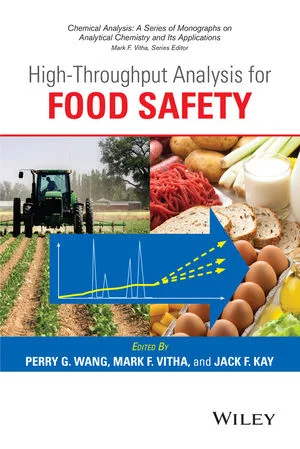
    High Throughput Analysis for Food Safety

  • 1119053595.jpg

    Food Safety for the 21st Century: Managing HACCP and Food Safety throughout the Global Supply Chain, 2E

See More Products

Related Directories

  • OneVision Corp.

    We develop, manufacture, sell and support can seam inspection and weighing systems to food and beverage canners, can makers, and specialty manufacturers (oil filter, aerosol cans, composite cans). Founded in 1994, we've installed and support more than 350 can seam inspection systems around the world.
×

Never miss the latest news and trends driving the food safety industry

eNewsletter | Website | eMagazine

JOIN TODAY!
  • RESOURCES
    • Advertise
    • Contact Us
    • Directories
    • Store
    • Want More
  • SIGN UP TODAY
    • Create Account
    • eMagazine
    • eNewsletter
    • Customer Service
    • Manage Preferences
  • SERVICES
    • Marketing Services
    • Reprints
    • Market Research
    • List Rental
    • Survey/Respondent Access
  • STAY CONNECTED
    • LinkedIn
    • Facebook
    • Instagram
    • X (Twitter)
  • PRIVACY
    • PRIVACY POLICY
    • TERMS & CONDITIONS
    • DO NOT SELL MY PERSONAL INFORMATION
    • PRIVACY REQUEST
    • ACCESSIBILITY

Copyright ©2025. All Rights Reserved BNP Media.

Design, CMS, Hosting & Web Development :: ePublishing