Food Safety
search
Ask Food Safety AI
cart
facebook twitter linkedin
  • Sign In
  • Create Account
  • Sign Out
  • My Account
Food Safety
  • NEWS
    • Latest News
    • White Papers
  • PRODUCTS
  • TOPICS
    • Contamination Control
    • Food Types
    • Management
    • Process Control
    • Regulatory
    • Sanitation
    • Supply Chain
    • Testing and Analysis
  • PODCAST
  • EXCLUSIVES
    • Food Safety Five Newsreel
    • eBooks
    • FSM Distinguished Service Award
    • Interactive Product Spotlights
    • Videos
  • BUYER'S GUIDE
  • MORE
    • ENEWSLETTER >
      • Archive Issues
      • Subscribe to eNews
    • Store
    • Sponsor Insights
    • ASK FSM AI
  • WEBINARS
  • FOOD SAFETY SUMMIT
  • EMAG
    • eMagazine
    • Archive Issues
    • Editorial Advisory Board
    • Contact
    • Advertise
  • SIGN UP!
News

Heinz Recall of Infant Cereal in China Highlights Traceability Challenges

August 25, 2014

Source: Reuters.com (text), ChannelAsiaNews.com (photo)

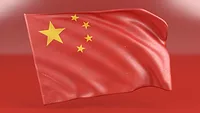
The entanglement of H.J. Heinz Co. in China's latest food scare highlights a key concern for international and local firms — how to keep track of ingredients from diverse sources in a country where food supply tracing technologies are far from the norm.

The U.S. food maker apologized to Chinese consumers last week and said it would tighten controls over suppliers after it was forced to recall some infant cereal from store shelves due to excess levels of lead.

Food safety scares erupt regularly in China — KFC parent Yum Brands Inc., McDonald's Corp., Wal-Mart Stores Inc. and Fonterra Co-operative Group Ltd. have all suffered recently — and such incidents can seriously dent sales.

But barcode tracking systems for produce, common in the United States and Europe, are largely absent.

"Standardized traceability of food products does not currently exist in China. It's a long way from it," said David Mahon, Beijing-based managing director of an investment firm focusing on China's food and beverage sectors.

China's food traceability systems and regulation were classified as "poor" in an August report from the Institute of Food Technologists. This was the lowest score of around 20 countries included.

Looking for quick answers on food safety topics?
Try Ask FSM, our new smart AI search tool.
Ask FSM →

Food safety barcodes store details such as the farm of origin, dates of harvest, planting, storage and shipment, meaning clients down the line can trace a particular batch and find out how and why any issues occurred.

Some firms have tried to bring the system into wider use in China — French grocer Carrefour SA launched a barcoding system last year for fruit and vegetables — but the technology has failed to catch on due to the high costs of implementation throughout scattered supply chains.

Sensitive market

Heinz said it had identified the supplier and ingredient — a skimmed soybean powder — responsible for the recall of four batches of its AD Calcium Hi-Protein Cereal from stores in eastern China, but added the firm needed to do more to keep suppliers in check.

"We will keep improving traceable food safety control systems from 'farm to factory'," Heinz said in a statement posted on its Chinese website.

Heinz, which was bought out by Warren Buffett's Berkshire Hathaway Inc. and private equity firm 3G Capital last year, did not respond to requests for further comment.

Consumers in China are highly sensitive to issues of food safety, especially with baby products, after powdered milk tainted with the industrial chemical melamine led to the deaths of at least six infants in 2008.

Danone SA and Abbott Laboratories saw infant formula sales in China plunge last year after concerns over a potentially fatal bacteria in a supplier's product. Tests later showed the initial finding was incorrect.

China has soaring levels of soil and water pollution, with seven out of the top 10 farming provinces amongst the areas most exposed to heavy metal pollution such as lead, according to a March report from HSBC.

Major firms, including fast food chains McDonald's and Burger King Worldwide Inc, said they had put in place stringent testing and auditing procedures in China to avoid issues such as contamination from water and soil pollution.

"We have rigorous and overlapping internal and external testing procedures and audits to ensure that our suppliers in China, and around the world, meet our strict specifications," said Vijay Guyah, a Singapore-based spokesman for Burger King.

Broken chains

Agricultural supply chains in China tend to be highly fragmented with most farms still small-scale.

Even with stringent auditing processes of suppliers — which multinational firms such as Heinz would carry out — it's difficult to keep track of all suppliers along the line, some of whom may be tempted to subcontract to cut costs.

What's more, while China's regulators have tight food safety rules, industry insiders said the watchdogs simply did not have the manpower to properly enforce them.

"It's not that the technology doesn't exist in China, it's just the chains are too fragmented," said an industry executive in China, who previously ran a food processing plant serving multinational firms in China and abroad.

The former executive said that one batch of frozen vegetables that his firm shipped to the Japanese market had become contaminated by chemicals after an audited, long-term supplier topped up its harvest from a neighboring farm.

"When supply chains are so large, you can't always prevent a supplier buying from someone else if someone else has a cheaper price," the former executive said. "It's a matter of one guy doing things wrong and the product is contaminated."




Share This Story

Recommended Content

JOIN TODAY
to unlock your recommendations.

Already have an account? Sign In

  • people holding baby chicks

    Serovar Differences Matter: Utility of Deep Serotyping in Broiler Production and Processing

    This article discusses the significance of Salmonella in...
    Microbiological
    By: Nikki Shariat Ph.D.
  • woman washing hands

    Building a Culture of Hygiene in the Food Processing Plant

    Everyone entering a food processing facility needs to...
    Personal Hygiene/Handwashing
    By: Richard F. Stier, M.S.
  • graphical representation of earth over dirt

    Climate Change and Emerging Risks to Food Safety: Building Climate Resilience

    This article examines the multifaceted threats to food...
    Contamination Control
    By: Maria Cristina Tirado Ph.D., D.V.M. and Shamini Albert Raj M.A.
Manage My Account
  • eMagazine Subscription
  • Subscribe to eNewsletter
  • Manage My Preferences
  • Website Registration
  • Subscription Customer Service

More Videos

Sponsored Content

Sponsored Content is a special paid section where industry companies provide high quality, objective, non-commercial content around topics of interest to the Food Safety Magazine audience. All Sponsored Content is supplied by the advertising company and any opinions expressed in this article are those of the author and not necessarily reflect the views of Food Safety Magazine or its parent company, BNP Media. Interested in participating in our Sponsored Content section? Contact your local rep!

close
  • Salmonella bacteria
    Sponsored byThermoFisher

    Food Microbiology Testing Methods: Salmonella species

  • a diagram explaining indicator organisms
    Sponsored byHygiena

    How Proactive Listeria Testing Helps Prevent Six- and Seven-Figure Recalls

  • woman grocery shopping
    Sponsored byCorbion

    Designing Safety Into Every Bite: Proactive Risk Mitigation for Refrigerated Foods

Popular Stories

NRTE breaded stuffed chicken

USDA Indefinitely Delays Enforcement of Salmonella as Adulterant in Raw Breaded, Stuffed Chicken

non-conforming product

How to Handle Non-Conforming Product

spoonfuls of food ingredients

FDA’s Developing Rule to Tighten GRAS Oversight Moves to White House

Events

December 11, 2025

How to Develop and Implement an Effective Food Defense Strategy

Live: December 11, 2025 at 2:00 pm EDT: From this webinar, attendees will learn common areas where companies encounter challenges in their food defense strategies and how to address them.

May 11, 2026

The Food Safety Summit

Stay informed on the latest food safety trends, innovations, emerging challenges, and expert analysis. Leave the Summit with actionable insights ready to drive measurable improvements in your organization. Do not miss this opportunity to learn from experts about contamination control, food safety culture, regulations, sanitation, supply chain traceability, and so much more.

View All

Products

Global Food Safety Microbial Interventions and Molecular Advancements

Global Food Safety Microbial Interventions and Molecular Advancements

See More Products

Related Articles

  • Challenges of Food Traceability

    See More
  • Kellogg

    Kellogg Company announces recall of Honey Smacks cereal

    See More
  • The Quaker Oats Company Issues Voluntary Recall of a Small Quantity of Cap’n Crunch’s Peanut Butter Crunch Cereal Distributed to Five Target Stores Due to Possible Health Risk

    The Quaker Oats Co. issues recall of Cap'n Crunch Peanut Butter Crunch cereal distributed to five Target stores due to possible health risk

    See More

Related Products

See More Products
  • 1119237963.jpg

    Food Safety in China: Science, Technology, Management and Regulation

  • 9781498721776.jpg

    Handbook of Food Processing: Food Safety, Quality, and Manufacturing Processes

  • 9781138070912.jpg

    Trends in Food Safety and Protection

See More Products

Events

View AllSubmit An Event
  • February 11, 2025

    Recall Readiness: How to Conduct a Mock Recall and Ensure Traceability

    On Demand: From this webinar, attendees will learn the importance of ensuring traceability along the supply chain. 
View AllSubmit An Event

Related Directories

  • Instant Recall LLC

    Instant Recall automates best practice workflows, data analysis and regulatory reporting for mock recalls, product holds, withdrawals, and recalls for the food industry. Learn why the food industry consistently chooses us as the shared solution for food recall preparedness, recall communications execution, and cost recovery!
  • Recall InfoLink Inc.

    Recall InfoLink is a subscription software that makes recall process management easier and more effective. The cloud platform enables companies across the supply chain to easily distribute recall information, track progress in real time, generate reports for compliance needs, and complete modernized mock recall exercises.
×

Never miss the latest news and trends driving the food safety industry

eNewsletter | Website | eMagazine

JOIN TODAY!
  • RESOURCES
    • Advertise
    • Contact Us
    • Directories
    • Store
    • Want More
  • SIGN UP TODAY
    • Create Account
    • eMagazine
    • eNewsletter
    • Customer Service
    • Manage Preferences
  • SERVICES
    • Marketing Services
    • Reprints
    • Market Research
    • List Rental
    • Survey/Respondent Access
  • STAY CONNECTED
    • LinkedIn
    • Facebook
    • Instagram
    • X (Twitter)
  • PRIVACY
    • PRIVACY POLICY
    • TERMS & CONDITIONS
    • DO NOT SELL MY PERSONAL INFORMATION
    • PRIVACY REQUEST
    • ACCESSIBILITY

Copyright ©2025. All Rights Reserved BNP Media.

Design, CMS, Hosting & Web Development :: ePublishing