Food Safety
search
Ask Food Safety AI
cart
facebook twitter linkedin instagram youtube
  • Sign In
  • Create Account
  • Sign Out
  • My Account
Food Safety
  • NEWS
    • Latest News
    • White Papers
  • PRODUCTS
  • TOPICS
    • Contamination Control
    • Food Types
    • Management
    • Process Control
    • Regulatory
    • Sanitation
    • Supply Chain
    • Testing and Analysis
  • PODCAST
  • EXCLUSIVES
    • Food Safety Five Newsreel
    • eBooks
    • FSM Distinguished Service Award
    • Interactive Product Spotlights
    • Videos
  • BUYER'S GUIDE
  • MORE
    • NEWSLETTERS >
      • Archive Issues
      • Subscribe to eNews
    • Store
    • Sponsor Insights
    • ASK FSM AI
  • WEBINARS
  • FOOD SAFETY SUMMIT
  • EMAG
    • eMagazine
    • Archive Issues
    • Editorial Advisory Board
    • Contact
    • Advertise
  • SIGN UP!
News

China’s Amended Food Safety Law Effective Oct. 1

October 1, 2015

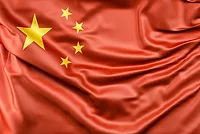
China has long been a hotbed where food safety scandals run rampant. As of today--October 1, 2015--the country is revising its Food Safety Law for the first time in 6 years.

The new legislation--enforced by the China Food and Drug Administration--will mean stiffer civil and criminal punishments for those found to be in violation. Companies that violate the law will be restricted in terms of future loans, taxation, bidding and land use. Another new facet of the law is that rewards will be increased for those who blow the whistle on food safety violations within China’s borders. There will also be more supervision of food sold online. To raise public awareness, high profile food safety cases might be publicized on live TV.

China has experienced a number of food safety scandals over the years, ultimately losing the confidence of consumers both domestically and internationally. Just a few examples of past food safety scandals in China include:

  • Baby formula laced with powdered melamine (2004)
  • Pickled vegetables containing industrial-grade salt and unsafe levels of pesticides (2004)
  • Soy sauce made from human hair (2004)
  • Alleged carcinogens used in frying oil (2007)
  • Recycled out-of-date food (2013)

It’s possible that China’s susceptibility to unsafe food is based on a combination of factors:

  • With nearly 1.4 billion inhabitants, China has to feed the largest population in the world
  • There’s a high percentage of Chinese citizens who have no choice but to grow their own food, a practice that goes unregulated
  • Compared to China’s population, there’s not nearly enough space for proper farming, nor are there enough food processors to keep up with demand

These problems have led to distrust amongst Chinese citizens, who generally assume that any food produce in their country is unsafe. As an alternative, they are switching to foods that are organic, or at least imported from other regions.

The U.S. has also been known to block imports from China, particularly if items do not meet certain domestic food safety standards. The U.S. Department of Agriculture has cited poor labeling, drug residues, filth and unsafe additives are reasons for turning away food products originating from China.

Although the country's amended food safety laws are welcome, there is skepticism regarding whether or not the changes will make an impact. The last Food Safety Law initiated in 2009, some argue, did not help to alleviate China's food safety problems.


Author(s): Staff

Looking for quick answers on food safety topics?
Try Ask FSM, our new smart AI search tool.
Ask FSM →


Share This Story

Recommended Content

JOIN TODAY
to unlock your recommendations.

Already have an account? Sign In

  • people holding baby chicks

    Serovar Differences Matter: Utility of Deep Serotyping in Broiler Production and Processing

    This article discusses the significance of Salmonella in...
    Testing & Analysis
    By: Nikki Shariat Ph.D.
  • woman washing hands

    Building a Culture of Hygiene in the Food Processing Plant

    Everyone entering a food processing facility needs to...
    Facilities
    By: Richard F. Stier, M.S.
  • graphical representation of earth over dirt

    Climate Change and Emerging Risks to Food Safety: Building Climate Resilience

    This article examines the multifaceted threats to food...
    Management
    By: Maria Cristina Tirado Ph.D., D.V.M. and Shamini Albert Raj M.A.
Manage My Account
  • eMagazine Subscription
  • Subscribe to Newsletters
  • Manage My Preferences
  • Website Registration
  • Subscription Customer Service

More Videos

Sponsored Content

Sponsored Content is a special paid section where industry companies provide high quality, objective, non-commercial content around topics of interest to the Food Safety Magazine audience. All Sponsored Content is supplied by the advertising company and any opinions expressed in this article are those of the author and not necessarily reflect the views of Food Safety Magazine or its parent company, BNP Media. Interested in participating in our Sponsored Content section? Contact your local rep!

close
  • NEVIFIT 3 Compartment BPA-FREE
    Sponsored byCorbion

    The Risks of Ready-to-Eat: Five Ways to Protect Today's Prepared Meals

  • a group of workers in a food production facility
    Sponsored bySkillUp by Registrar Corp

    How to Build a Better Training Program: Data and Insights from the Global Food Safety Training Survey

  • the use of dual-energy X-ray food inspection technology to identify foreign contaminants.
    Sponsored byEagle by METTLER TOLEDO

    Precision Inspection Starts with the Right X-ray Detector

Popular Stories

FSM podcast

Ep. 219: World Food Safety Day 2026

diverse group of people wearing protective clothing in food production plant

EU Member States Report Challenges in Implementing Food Safety Culture Official Controls

logistics managers in warehouse talking looking at tablet

FDA Traceability Rule Readiness Exercises Reveal Supply Chain Coordination Matters More than Technology

Events

June 16, 2026

Sustainable Food Contact Materials: Where Regulation Meets Analytical Testing

Live: June 16, 2026 at 11:00 am EDT: This webinar explores how sustainability regulations are changing food contact material requirements, including packaging compliance, unintended substances, and per- and polyfluoroalkyl substances.

June 17, 2026

Living HACCP: Practical Steps for Implementation

Live: June 17, 2026, at 12:00 pm EDT: From this webinar, attendees will understand how social norms shape the way hazards are understood, how decisions are made, and how well risks are understood and acted on across companies.

June 25, 2026

Rethinking Food Safety: Eliminating Biofilm and Building a Smarter Food Safety System

Live: June 25, 2026 at 2:00 pm EDT: Join this webinar to explore a modern approach to decontamination that goes beyond surface-level cleaning to combat biofilm and persistent pathogens.

View All

Products

Global Food Safety Microbial Interventions and Molecular Advancements

Global Food Safety Microbial Interventions and Molecular Advancements

See More Products

Related Articles

  • China's Food Safety Law Open for Comments As Food Safety Scandals Evolve

    See More
  • China flag

    China Considers Amendments to National Food Safety Law

    See More
  • farm in china

    China Drafts New Food Safety Law

    See More

Related Products

See More Products
  • 1119237963.jpg

    Food Safety in China: Science, Technology, Management and Regulation

  • 1119053595.jpg

    Food Safety for the 21st Century: Managing HACCP and Food Safety throughout the Global Supply Chain, 2E

  • 1119160553.jpg

    Food Safety: Innovative Analytical Tools for Safety Assessment

See More Products

Events

View AllSubmit An Event
  • June 25, 2026

    Rethinking Food Safety: Eliminating Biofilm and Building a Smarter Food Safety System

    Live: June 25, 2026 at 2:00 pm EDT: Join this webinar to explore a modern approach to decontamination that goes beyond surface-level cleaning to combat biofilm and persistent pathogens.
View AllSubmit An Event

Related Directories

  • BD Food Safety Consultants LLC

    We are a Food Safety Training and Consulting firm located in Naperville, IL. Our primary goal is to provide with effective training and consulting solutions for Food Manufacturing and Distributing companies. Our training services include the following: FSPCA PCQI classes, IAVA Courses, IHA Accredited HACCP classes, FSVP Courses and Internal Auditor Training classes. We also offer Learning Management System for food manufacturing industry.
  • Food Safety and Quality Consultants LLC

    Food Safety and Quality Consultants, LLC (FSQC) is a professional full-service food safety and quality consulting firm offering a complete line of training, consulting, and auditing services to meet your needs. We will help you turn the complicated into compliance by making your food safety systems simple and effective!
  • Food Safety News

    Food Safety News advances public health by delivering timely, accurate, and comprehensive coverage of foodborne illness outbreaks, recalls, and regulatory developments that impact the safety of our global food supply.
×

Never miss the latest news and trends driving the food safety industry

Newsletters | Website | eMagazine

JOIN TODAY!
  • RESOURCES
    • Advertise
    • Contact Us
    • Directories
    • Store
    • Want More
  • SIGN UP TODAY
    • Create Account
    • eMagazine
    • Newsletters
    • Customer Service
    • Manage Preferences
  • SERVICES
    • Marketing Services
    • Reprints
    • Market Research
    • List Rental
    • Survey/Respondent Access
  • STAY CONNECTED
    • LinkedIn
    • Facebook
    • Instagram
    • X (Twitter)
  • PRIVACY
    • PRIVACY POLICY
    • TERMS & CONDITIONS
    • DO NOT SELL MY PERSONAL INFORMATION
    • PRIVACY REQUEST
    • ACCESSIBILITY

Copyright ©2026. All Rights Reserved BNP Media, Inc. and BNP Media II, LLC.

Design, CMS, Hosting & Web Development :: ePublishing