Food Safety
search
Ask Food Safety AI
cart
facebook twitter linkedin instagram youtube
  • Sign In
  • Join Today
  • Sign Out
  • My Account
Food Safety
  • NEWS
    • Latest News
    • Food Safety Five Newsreel
  • PRODUCTS
  • TOPICS
    • Contamination Control
    • Food Types
    • Management
    • Process Control
    • Regulatory
    • Sanitation
    • Supply Chain
    • Testing and Analysis
  • PODCAST
  • EXCLUSIVES
    • eBooks
    • Sponsored Insights
    • Sponsored White Papers
    • FSM Distinguished Service Award
    • Interactive Product Spotlights
    • Videos
  • MORE
    • BUYER'S GUIDE
    • NEWSLETTERS >
      • Archive Issues
      • Subscribe to eNews
    • Store
    • ASK FSM AI
  • WEBINARS
  • FOOD SAFETY SUMMIT
  • FSM FEATURES
    • FSM Features Collection
    • eMag Archives
    • Editorial Advisory Board
    • Contact
    • Advertise
  • JOIN

Top 10 vulnerable zones for pests in food distribution centers, warehouses

Rack Legs

Cleanability is rarely a consideration in designing and purchasing racking systems for warehouse storage. Assembly holes can provide areas for food to accumulate and pests to travel unobserved.
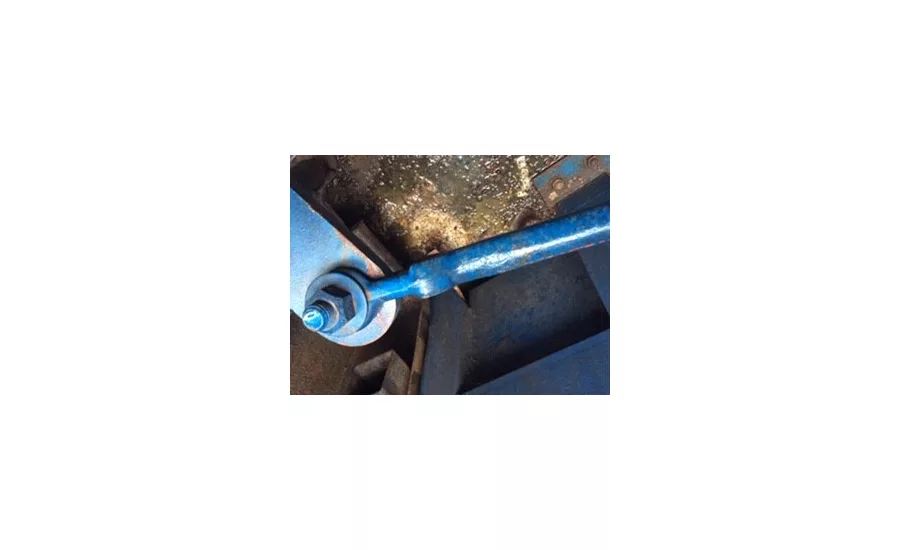
Horizontal rack support

Horizontal rack supports can offer areas for pest harborage as well as holes or channels for pests to travel.
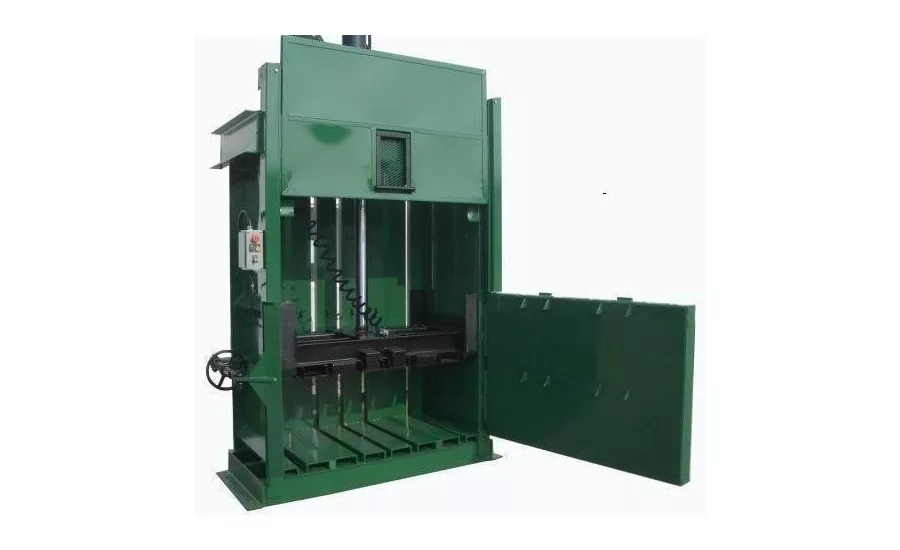
Balers

Balers are often difficult to clean due to their design and the source of stored product pests and flies.
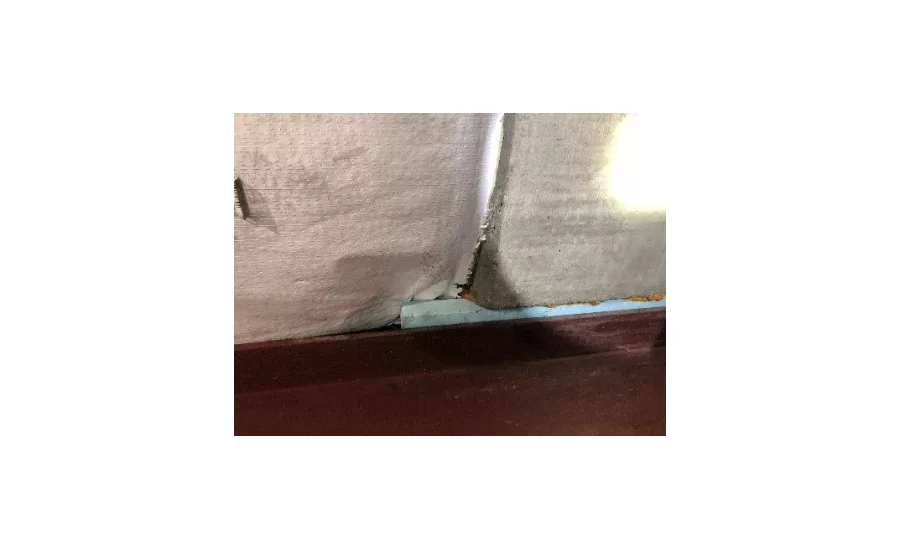
Damaged goods

Products in the damaged goods may provide easy access for pests to feed and develop.

Rack Legs
Horizontal rack support
Balers
Damaged goods
December 15, 2020

All pests will have certain environmental preferences and survival needs. When the right conditions are met, pests thrive. Sanitation, employee practices, facility processes, and structural and equipment design can either hinder or help pest’s survival. In fact, not all areas within a facility will meet the needs of the pest equally and certain areas will have a higher risk for pest development than others. Here is a list of some of the 10 most common areas of pest activity by product type, structural design and practices. Utilize this list to prioritize areas for regular inspection as part of a pest prevention program.

1. Rack Legs

  • Cleanability is rarely a consideration in designing and purchasing racking systems for warehouse storage. Commonly, they are either three or four-sided with numerous holes drilled into the leg for ease of assembly. The problem is that the holes can provide areas for food to accumulate and pests to travel unobserved. 
  • The openings in the leg do not provide sufficient space for cleaning tools to access and effective cleaning will take time to complete.
  • The issue can be compounded by the addition of guards installed to protect the base of the rack leg from forklift damage. These too can be difficult to clean and provide areas of food product accumulation for mice and stored product pests.

2. Horizontal rack supports

  • Not only can vertical supports offer areas for pest harborage, so can horizontal rack supports. In addition, they may have holes or channels in them for pests to travel. Supports used for rack grating can provide “U” shaped wells for product spills to accumulate.
  • Capping holes and mounting “U” shaped wells upside down can assist in reducing food accumulations.

3. Dumpster/compactor areas

  • A poorly maintained dumpster pad can provide food for flies, birds, and rodents. The type of dumpster and dumpster seal can make a difference in product leakage from the box and/or compactor seal. A single unit designed for liquid disposal will reduce leakage. Unfortunately, most facilities do not have the all-in-one unit.
  • Cleaning between the unit and the dumpster pad is required when the disposal company changes out the box. This is the only time when the pad is exposed for effective cleaning.
  • Pads should be maintained and free of cracks to prevent food contamination of the soil or flies could develop.
  • Make sure that a clean dumpster box is provided by the disposal company when changing out the box. Fly maggots can be delivered with a dumpster box that has been emptied but not washed.

4. Trailers for repurposing food and other wastes

  • It is important to reduce wastes that go to landfills, but how we handle these repurposed wastes can make a difference in pest pressures at the site. Trailers should be sealed to block insects and vertebrate pests to forage on the materials inside.
  • Birds, flies, racoons, rodents and feral cats are common pests of poorly sealed trailers used for repurposing food. It is important to have a program for cleaning the trailers in between use. 
  • Food residue left in trailers can support stored product pests and flies. If the trailer will be docked at a dock door, make sure the dock door is kept closed while not actively loading and that the trailer door be kept closed as well.
  • Lastly, understand where the trailers go and what controls are in place to prevent movement of pests like rodents from the repurposing drop off site to the warehouse.

5. Balers

  • Balers may be used to condensed cardboard and paper bags for recycling and disposal. Food residues on these items can support pests and accumulate underneath and around the baler unit.
  • Balers are often difficult to clean due to their design and the source of stored product pests and flies. It’s important to check these areas frequently.

6. Damaged goods

  • Products in the damaged goods may provide easy access for pests to feed and develop. Damaged cans can be prime area for flies. 
  • Make sure there is an area designated for damaged goods and that warehouse staff are moving damaged items to this assigned area for ease of inspection and disposal.

7. Product type

  • Certain products may be more susceptible to pests than others, such as pet and bird seed. This is because the products go through fewer kill steps in processing. 
  • Bagged packaging may be easier for pests to enter due to holes provided in sewn bags or lack of complete seals. Aged product and expired inventory will likewise be more likely to be infested. 

8. Corrugate wall construction

  • Metal corrugated walls are an economical building construction material but are subject to damage and more difficult to pest proof. Damaged walls may provide pests access from the exterior or void spaces for pest development to the interior. 
  • In some facilities, rolled insulation is placed over the corrugate wall for temperature control, making it a perfect location for rodents to travel and nest.

9. Break rooms and locker rooms

  • Areas where employees eat and store their personnel belongings can see pest activity. Hitch-hiking insects like cockroaches and bed bugs may be brought into facility on personal belongings.
  • Food materials may attract and support other pests like mice and flies.  

10. Wash bays and drains for floor scrubbers

  • The moisture and organic material from equipment wash down bays and floor scrubber units may support pests like flies.
  • It is important to frequently clean drains to remove organic material, which may allow fly development.  Maintain floors and walls free of cracks, and use squeegees and fans to help dry areas quickly. 
  • Filth flies and small flies will need moist organic material for development. Targeting both the moisture levels and amount of organic material can be helpful in reducing fly populations.

Looking for quick answers on food safety topics?
Try Ask FSM, our new smart AI search tool.
Ask FSM →
This article was originally posted on www.foodengineeringmag.com.
KEYWORDS: pest control

Share This Story

Recommended Content

JOIN TODAY
to unlock your recommendations.

Already have an account? Sign In

  • people holding baby chicks

    Serovar Differences Matter: Utility of Deep Serotyping in Broiler Production and Processing

    This article discusses the significance of Salmonella in...
    Contamination Control
    By: Nikki Shariat Ph.D.
  • woman washing hands

    Building a Culture of Hygiene in the Food Processing Plant

    Everyone entering a food processing facility needs to...
    Personal Hygiene/Handwashing
    By: Richard F. Stier, M.S.
  • graphical representation of earth over dirt

    Climate Change and Emerging Risks to Food Safety: Building Climate Resilience

    This article examines the multifaceted threats to food...
    Best Practices
    By: Maria Cristina Tirado Ph.D., D.V.M. and Shamini Albert Raj M.A.
Manage My Account
  • Join Food Safety Magazine
  • Manage My Preferences
  • Customer Service

More Videos

Sponsored Content

Sponsored Content is a special paid section where industry companies provide high quality, objective, non-commercial content around topics of interest to the Food Safety Magazine audience. All Sponsored Content is supplied by the advertising company and any opinions expressed in this article are those of the author and not necessarily reflect the views of Food Safety Magazine or its parent company, BNP Media. Interested in participating in our Sponsored Content section? Contact your local rep!

close
  • pre-packaged salads, noodles, and prepared meals stocked on multi-tier grocery store refrigerator shelves
    Sponsored byCorbion

    How Many Days of Shelf Life Are You Leaving on the Table?

  • Top view portrait of two factory workers standing by conveyor belt during quality inspection at food production, copy space
    Sponsored byFlexXray

    Foreign Material By the Numbers: What the 2026 Benchmark Report Reveals

  • a conveyorized industrial metal detector system that appears to resemble a Loma Systems IQ4 Metal Detector setup with an integrated conveyor belt and control panel for food or package inspection.
    Sponsored byMettler Toledo

    Beyond Detection: How to Avoid Physical Contamination in Food Through a Smarter Inspection Strategy

Popular Stories

choosing food in the freezer aisle

Refrigerator Malfunctions on U.S. Military Bases May Be Result of Targeted Cyberattacks, Similar to French Incident

This image depicts a meat processing facility

Study Finds Differences Between Beef, Pork Microbial Contamination During Processing

supermarket freezers

Another Wave of Refrigerator Cyberattacks Sweeps European Grocery Stores, Causing More Food Losses

allergens ebook

Events

November 5, 2026

How Middle Managers Shape Food Safety Culture and Risk Performance

Live: November 5, 2026 at 11:00 am EST: From this webinar, attendees will learn how investing in middle managers improves both FSQ strategy implementation and accountability across all levels of the company.

November 12, 2026

From Data Overload to Actionable Food Safety Risk Intelligence

Live: November 12, 2026 at 11:00 am EST: This webinar explores how data integration, advanced analytics, and digital technologies can help transform disparate information into meaningful risk intelligence.

November 17, 2026

Are You Getting the Most from Your Food Safety Testing?

Live: November 17, 2026 at 11:00 am EST: Attend this webinar to explore practical ways food processors can modernize sanitation verification and microbiological testing while keeping workflows simple and effective.

View All

Products

Global Food Safety Microbial Interventions and Molecular Advancements

Global Food Safety Microbial Interventions and Molecular Advancements

See More Products

Related Articles

  • FSS news generic image

    Top 10 pest vulnerable zones of food distribution centers and warehouses

    See More
  • 101717Rodent.png

    Rodent Research at Food Distribution Centers: A Call for Collaboration

    See More
  • repositrak

    ReposiTrak Introduces Touchless Traceability for Food Industry Distribution Centers

    See More

Related Products

See More Products
  • 9781138070912.jpg

    Trends in Food Safety and Protection

  • 1119053595.jpg

    Food Safety for the 21st Century: Managing HACCP and Food Safety throughout the Global Supply Chain, 2E

  • 1119160553.jpg

    Food Safety: Innovative Analytical Tools for Safety Assessment

See More Products

Events

View AllSubmit An Event
  • May 28, 2026

    Advanced Sanitation Strategies for Allergen Risk Reduction in Food Processing

    On Demand: From this webinar, attendees will learn why validation and verification are necessary for allergen control, and how analytical tools can support allergen management programs.
View AllSubmit An Event

Related Directories

  • Women In Food Safety

    Women in Food Safety is a US-based global nonprofit organization dedicated to empowering and advancing women in the food safety and quality industry. Women In Food Safety provides a platform for professionals at all stages of their careers to grow, share knowledge, and support one another. Through community events, educational initiatives, and leadership development, we are building a more inclusive and resilient future for food safety worldwide. Together, we can do BETTER!
  • FSS Inc.

    FSS provides audit-ready pest management solutions for the food industry including food processors, pharmaceutical facilities, and distribution centers. Our programs are designed to control stored-product insects, rodents, and structural pests while supporting food safety, compliance, and brand protection. Our licensed experts deliver customized IPM and fumigation programs backed by monitoring, technical support, and proven products—helping facilities reduce risk, respond quickly, and stay inspection-ready.
  • Rook Pest

    Smart pest management software. Real-time monitoring, actionable data, and automated alerts help pest control companies service accounts faster, cut guesswork, and catch rodent activity before it becomes a problem.
×

Never miss the latest news and trends shaping the food safety industry

Newsletters | Website | FSM Features Collection

JOIN TODAY!
  • RESOURCES
    • Advertise
    • Contact Us
    • Directories
    • Store
  • JOIN TODAY
    • Create Account
    • FSM Features Collection
    • Newsletters
    • Customer Service
    • Manage Preferences
  • SERVICES
    • Marketing Services
    • Reprints
    • Market Research
    • List Rental
    • Survey/Respondent Access
  • STAY CONNECTED
    • LinkedIn
    • Facebook
    • Instagram
    • X (Twitter)
    • YouTube
  • PRIVACY
    • PRIVACY POLICY
    • TERMS & CONDITIONS
    • DO NOT SELL MY PERSONAL INFORMATION
    • PRIVACY REQUEST
    • ACCESSIBILITY

Copyright ©2026. All Rights Reserved BNP Media, Inc. and BNP Media II, LLC.

Design, CMS, Hosting & Web Development :: ePublishing