Food Safety
search
Ask Food Safety AI
cart
facebook twitter linkedin
  • Sign In
  • Create Account
  • Sign Out
  • My Account
Food Safety
  • NEWS
    • Latest News
    • White Papers
  • PRODUCTS
  • TOPICS
    • Contamination Control
    • Food Types
    • Management
    • Process Control
    • Regulatory
    • Sanitation
    • Supply Chain
    • Testing and Analysis
  • PODCAST
  • EXCLUSIVES
    • Food Safety Five Newsreel
    • eBooks
    • FSM Distinguished Service Award
    • Interactive Product Spotlights
    • Videos
  • BUYER'S GUIDE
  • MORE
    • ENEWSLETTER >
      • Archive Issues
      • Subscribe to eNews
    • Store
    • Sponsor Insights
    • ASK FSM AI
  • WEBINARS
  • FOOD SAFETY SUMMIT
  • EMAG
    • eMagazine
    • Archive Issues
    • Editorial Advisory Board
    • Contact
    • Advertise
  • SIGN UP!
White Papers

How to Ensure Your Food Safety Audit Goes Well

October 10, 2014

On January 4, 2011, President Barack Obama scored what many consider to be a huge step toward assuring the quality of our nation's food supply when he signed the U.S. Food and Drug Administration (FDA) Food Safety Modernization Act (FSMA) into law. Initiated as a response to a slew of foodborne illnesses reported in the decade before, the legislation endowed the FDA with a number of new powers, all intended to help the administration better prevent potential contamination. The current focus is on prevention instead of retroactive reaction, and with that comes regular inspections. How can food manufacturing facilities ensure they're staying on top of the ever-changing landscape of food safety regulations? Whether you're searching for guidelines to use during an in-house audit or you're preparing for an inspection led by an external team, here is a list of programs, procedures and documentation you should have in place to safeguard success.
 

Always Follow HACCP
Your facility should already have a Hazard Analysis and Critical Control Points (HACCP) system in place. Reviewing those checkpoints and ensuring compliance will go a long way toward meeting the FDA's standards. HACCP organizes procedures concerned with the potential biological, chemical and physical hazards involved in the many steps of food production. Having a checklist in place that is adhered to each day is absolutely essential. Use this time to find weak points, identify any areas of noncompliance and update your HACCP plan to include any new additions to your plant or packing facility.


Scrutinize Sanitation
Cleanliness is the most important step in preventing contamination, and this process begins at hiring. Training programs should include sections that concentrate on sanitation standards, and these lessons should be reinforced via written guidelines in a training manual accessible by employees at all times. The sanitation schedule should be part of a continuous record that documents who, where, what and how––all the necessary information to prove who did the cleaning, what equipment was cleaned, what chemicals were used to clean it and the methods employed. This log serves a dual purpose. Not only is it proof that steps aren't being skipped, it also helps during an audit as proof that you have such guidelines in place. A log can also be considered a great starting point, should improvements be recommended.


Review Regulations
The evolving world of FDA regulations is hard to stay on top of, but ignorance is never an excuse—neither to consumers nor to the government regulatory bodies charged with checking up on your business. Are you familiar with the fine print associated with maintaining filtration systems? Do you know if your Safe Quality Food Standard Certification is up to date? What about your Good Manufacturing Practice (GMP) standards? It's impossible for one person to know everything, but one company absolutely has to. Use audit preparation as an opportunity to fill in any potential blanks and bring your team up to speed.
 

Review Your GMP and Quality Assurance (QA)
While you're reviewing those regulations, two in particular warrant extra focus. GMP is the minimum standard of practice your facility must achieve in order to assure your output doesn't put the public at risk. Likewise, QA procedures give you a step-by-step way to analyze current procedures, find errors, take corrective action and keep evidence of each action to aid in future inspections. A QA process will also come in handy when reevaluating best practices or if you contract with an outside team for a review. Review, reassess, regulate, record –– these are four ways to embrace food safety governance and take control over your brand and overall output while respecting the consumers — be they wholesale or retail.
 

While government regulations and legislation like FSMA can initially seem daunting, all the tools are in place to ensure compliance and a successful audit. By being hands-on during the pre-inspection process and reviewing how your company makes, transports and handles its products, you can market the safest product possible.
 

Jeff Maree is the product specialist at Eaton Filtration Online.


Author(s): Jeff Maree

Looking for quick answers on food safety topics?
Try Ask FSM, our new smart AI search tool.
Ask FSM →


Share This Story

Recommended Content

JOIN TODAY
to unlock your recommendations.

Already have an account? Sign In

  • people holding baby chicks

    Serovar Differences Matter: Utility of Deep Serotyping in Broiler Production and Processing

    This article discusses the significance of Salmonella in...
    Contamination Control
    By: Nikki Shariat Ph.D.
  • woman washing hands

    Building a Culture of Hygiene in the Food Processing Plant

    Everyone entering a food processing facility needs to...
    Facilities
    By: Richard F. Stier, M.S.
  • graphical representation of earth over dirt

    Climate Change and Emerging Risks to Food Safety: Building Climate Resilience

    This article examines the multifaceted threats to food...
    Contamination Control
    By: Maria Cristina Tirado Ph.D., D.V.M. and Shamini Albert Raj M.A.
Manage My Account
  • eMagazine Subscription
  • Subscribe to eNewsletter
  • Manage My Preferences
  • Website Registration
  • Subscription Customer Service

More Videos

Sponsored Content

Sponsored Content is a special paid section where industry companies provide high quality, objective, non-commercial content around topics of interest to the Food Safety Magazine audience. All Sponsored Content is supplied by the advertising company and any opinions expressed in this article are those of the author and not necessarily reflect the views of Food Safety Magazine or its parent company, BNP Media. Interested in participating in our Sponsored Content section? Contact your local rep!

close
  • Salmonella bacteria
    Sponsored byThermoFisher

    Food Microbiology Testing Methods: Salmonella species

  • a diagram explaining indicator organisms
    Sponsored byHygiena

    How Proactive Listeria Testing Helps Prevent Six- and Seven-Figure Recalls

  • woman grocery shopping
    Sponsored byCorbion

    Designing Safety Into Every Bite: Proactive Risk Mitigation for Refrigerated Foods

Popular Stories

NRTE breaded stuffed chicken

USDA Indefinitely Delays Enforcement of Salmonella as Adulterant in Raw Breaded, Stuffed Chicken

digital map of europe

EU Publishes Food Fraud Tool Mapping Thousands of Cases Since 2016

non-conforming product

How to Handle Non-Conforming Product

Events

December 11, 2025

How to Develop and Implement an Effective Food Defense Strategy

Live: December 11, 2025 at 2:00 pm EDT: From this webinar, attendees will learn common areas where companies encounter challenges in their food defense strategies and how to address them.

May 11, 2026

The Food Safety Summit

Stay informed on the latest food safety trends, innovations, emerging challenges, and expert analysis. Leave the Summit with actionable insights ready to drive measurable improvements in your organization. Do not miss this opportunity to learn from experts about contamination control, food safety culture, regulations, sanitation, supply chain traceability, and so much more.

View All

Products

Global Food Safety Microbial Interventions and Molecular Advancements

Global Food Safety Microbial Interventions and Molecular Advancements

See More Products

Related Articles

  • Milk Production

    Is Your Food Facility Audit Ready? Point-of-use compressed Air Filters Help Ensure Product Quality

    See More
  • Sanitation audit

    How to Ace Your Next Audit

    See More
  • Food Safety Matters Podcast

    Ma and D’lima: How FDA Enforces Allergen Requirements and Recalls to Ensure Food Safety

    See More

Related Products

See More Products
  • 1119053595.jpg

    Food Safety for the 21st Century: Managing HACCP and Food Safety throughout the Global Supply Chain, 2E

  • 1119160553.jpg

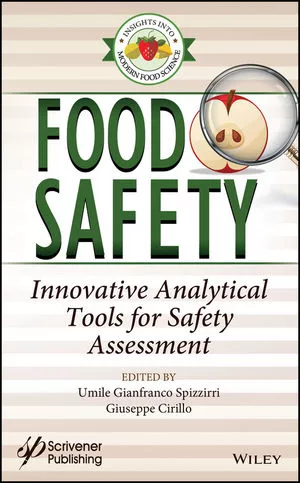
    Food Safety: Innovative Analytical Tools for Safety Assessment

  • 9781498721776.jpg

    Handbook of Food Processing: Food Safety, Quality, and Manufacturing Processes

See More Products

Events

View AllSubmit An Event
  • May 15, 2025

    Alarm Fatigue: How to Ensure Out-of-Compliance Alarms Serve Their Purpose and Ensure Food Safety

    On Demand: This session will explore the challenges of setting effective alarms for out-of-compliance hot and cold holding temperatures in food safety management. 
View AllSubmit An Event

Related Directories

  • Food Safety and Quality Consultants LLC

    Food Safety and Quality Consultants, LLC (FSQC) is a professional full-service food safety and quality consulting firm offering a complete line of training, consulting, and auditing services to meet your needs. We will help you turn the complicated into compliance by making your food safety systems simple and effective!
  • Michigan State University Online Food Safety Program

    MSU's Online Food Safety program strives to educate professionals on how to make global food systems safe. The program consists of a master’s degree and graduate certificate, both entirely online. Each program will provide students with applicable knowledge to navigate the ever-changing concerns surrounding food safety, food protection, and public health.
  • We R Food Safety Inc.

    Scalable, affordable and fully customizable software designed by industry experts and backed by a world-class team of consultants and support personnel. Our proprietary software modernizes your food safety systems, provides your staff real-time data and visibility. We have the ability to construct custom reporting providing you information that is important to your business.
×

Never miss the latest news and trends driving the food safety industry

eNewsletter | Website | eMagazine

JOIN TODAY!
  • RESOURCES
    • Advertise
    • Contact Us
    • Directories
    • Store
    • Want More
  • SIGN UP TODAY
    • Create Account
    • eMagazine
    • eNewsletter
    • Customer Service
    • Manage Preferences
  • SERVICES
    • Marketing Services
    • Reprints
    • Market Research
    • List Rental
    • Survey/Respondent Access
  • STAY CONNECTED
    • LinkedIn
    • Facebook
    • Instagram
    • X (Twitter)
  • PRIVACY
    • PRIVACY POLICY
    • TERMS & CONDITIONS
    • DO NOT SELL MY PERSONAL INFORMATION
    • PRIVACY REQUEST
    • ACCESSIBILITY

Copyright ©2025. All Rights Reserved BNP Media.

Design, CMS, Hosting & Web Development :: ePublishing