Food Safety
search
Ask Food Safety AI
cart
facebook twitter linkedin instagram youtube
  • Sign In
  • Create Account
  • Sign Out
  • My Account
Food Safety
  • NEWS
    • Latest News
    • Sponsored Insights
    • Sponsored White Papers
  • PRODUCTS
  • TOPICS
    • Contamination Control
    • Food Types
    • Management
    • Process Control
    • Regulatory
    • Sanitation
    • Supply Chain
    • Testing and Analysis
  • PODCAST
  • EXCLUSIVES
    • Food Safety Five Newsreel
    • eBooks
    • FSM Distinguished Service Award
    • Interactive Product Spotlights
    • Videos
  • BUYER'S GUIDE
  • MORE
    • NEWSLETTERS >
      • Archive Issues
      • Subscribe to eNews
    • Store
    • ASK FSM AI
  • WEBINARS
  • FOOD SAFETY SUMMIT
  • EMAG
    • eMagazine
    • Archive Issues
    • Editorial Advisory Board
    • Contact
    • Advertise
  • SIGN UP!
News

2018 Dirty Dozen and Clean Fifteen Lists Rank Produce Items by Pesticide Level

C8dd8096 015d 43a1 a0543c178620005c
April 10, 2018

The Environmental Working Group (EWG) has once again released their annual list of the “dirtiest” and “cleanest” fruits and vegetables available to U.S. consumers.

EWG, a nonprofit and nonpartisan group has been ranking fresh produce based on their levels of pesticide contamination (number of pesticides and amount of each pesticide) since 2004. The results are compiled into their Shopper’s Guide to Pesticides in Produce each year. The guide is meant to be a resource for consumers who cannot buy organic produce—for whatever reason. With this list, consumers can choose produce types based on their possible presence of pesticide contamination.

Topping the list of foods with the most pesticide residues, the Dirty Dozen for 2018 are:

  1. Strawberries
  2. Spinach
  3. Nectarines
  4. Apples
  5. Grapes
  6. Peaches
  7. Cherries
  8. Pears
  9. Tomatoes
  10. Celery
  11. Potatoes
  12. Sweet bell peppers
  13. Hot peppers*

These foods were found to have higher levels of pesticides than other produce types tested. In fact, more than 98 percent of the top four foods listed tested positive for at least one pesticide residue. On average, spinach samples contained nearly double the amount of pesticide residue by weight than any other crop. Overall, close to 70 percent of conventional (not organic) fruits and vegetables had some level of pesticide residue.

This year’s Dirty Dozen list also includes a 13th produce item--hot peppers*. EWG found that hot peppers tend to be contaminated with dangerous insecticides, so they suggest buying this item organic, or at least cook conventionally grown hot peppers to help reduce insecticide levels.

While EWG says that rinsing produce under tap water is a good way to reduce pesticide levels before consumption, research conducted by researchers at the University of Massachusetts shows that soaking produce in a baking soda and water solution may do an even better job at killing pesticides.

For 2018, the Clean Fifteen--produce items that tend to have the least pesticide residues are:

  1. Avocados
  2. Sweet corn
  3. Pineapples
  4. Cabbage
  5. Onions
  6. Sweet frozen peas
  7. Papayas
  8. Asparagus
  9. Mangos
  10. Eggplant
  11. Honeydew melon
  12. Kiwi
  13. Cantaloupe
  14. Cauliflower
  15. Broccoli

EWG’s research is based on its own private analysis of the U.S. Department of Agriculture’s pesticide testing.

Sign up for Food Safety Magazine’s bi-weekly emails!

Subscribe to our podcast: Food Safety Matters!


Author(s): Staff

Looking for quick answers on food safety topics?
Try Ask FSM, our new smart AI search tool.
Ask FSM →


Share This Story

Recommended Content

JOIN TODAY
to unlock your recommendations.

Already have an account? Sign In

  • people holding baby chicks

    Serovar Differences Matter: Utility of Deep Serotyping in Broiler Production and Processing

    This article discusses the significance of Salmonella in...
    Meat/Poultry
    By: Nikki Shariat Ph.D.
  • woman washing hands

    Building a Culture of Hygiene in the Food Processing Plant

    Everyone entering a food processing facility needs to...
    Food Prep/Handling
    By: Richard F. Stier, M.S.
  • graphical representation of earth over dirt

    Climate Change and Emerging Risks to Food Safety: Building Climate Resilience

    This article examines the multifaceted threats to food...
    International
    By: Shamini Albert Raj M.A. and Maria Cristina Tirado Ph.D., D.V.M.
Manage My Account
  • eMagazine Subscription
  • Subscribe to Newsletters
  • Manage My Preferences
  • Website Registration
  • Subscription Customer Service

More Videos

Sponsored Content

Sponsored Content is a special paid section where industry companies provide high quality, objective, non-commercial content around topics of interest to the Food Safety Magazine audience. All Sponsored Content is supplied by the advertising company and any opinions expressed in this article are those of the author and not necessarily reflect the views of Food Safety Magazine or its parent company, BNP Media. Interested in participating in our Sponsored Content section? Contact your local rep!

close
  • an automated industrial production line used in a modern food factory
    Sponsored byIFC

    A Formula for Food Processing Pest Management

  • fly
    Sponsored byOrkin Commercial

    Fly Control in Food Processing Facilities: Managing Seasonal Food Safety Risks

  • Darkling Beetle
    Sponsored byElanco Animal Health

    Integrated Pest Management: Protecting Poultry Operations as Seasons Change

Popular Stories

Cyclospora cayetanensis oocysts

Foodborne Parasite Cyclospora Sickens Thousands Across U.S.

Cyclospora cayetanensis oocyst

Cyclospora Cases Climb, But Actual Number Unclear as CDC Reporting Lags Behind States

UN building in geneva

Codex Publishes Strategic Plan for 2026–2031

building a skilled workforce ebook

Events

July 21, 2026

Using AI Responsibly in Food Safety Management Systems

Live: July 21, 2026 at 2:00 pm EDT: This webinar will provide participants with guidance on how to effectively use generative artificial intelligence (AI) tools to develop key components of a food safety management system (FSMS).

August 6, 2026

Beyond Sanitation: Understanding the Hidden System Conditions That Allow Pathogens to Persist

Live: August 6, 2026 at 2:00 pm EDT: Attend this webinar to learn strategies for strengthening environmental control programs through a layered approach to pathogen management.

August 11, 2026

Beyond Sanitization: Reducing Contamination Risk Without Raising Operating Cost

Live: August 11, 2026 at 2:00 pm EDT: Attend this webinar to learn why ambient air is the largest and most overlooked contamination zone in food processing, and what it costs you between scheduled cleans.

View All

Products

Global Food Safety Microbial Interventions and Molecular Advancements

Global Food Safety Microbial Interventions and Molecular Advancements

See More Products

Related Articles

  • small pile of strawberries white background

    EWG Publishes 2024 Dirty Dozen List of Produce Most Contaminated With Pesticides

    See More
  • colorful assortment of produce

    EWG’s 2025 ‘Dirty Dozen’ List of Most Pesticide-Contaminated Produce Uses New Methodology

    See More
  • Strawberries and fruit

    Fact or Myth? Breaking Down the Dirty Dozen List from EWG

    See More

Related Products

See More Products
  • 9781032369990 (1).webp

    Food Safety Quality Control and Management

  • 9781138198463.jpg

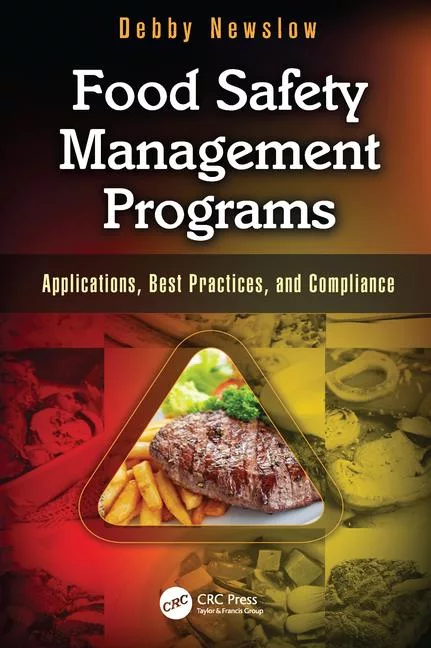
    Food Safety Management Programs: Applications, Best Practices, and Compliance

  • shelf life.jpg

    Shelf Life and Food Safety

See More Products

Related Directories

  • Clean Works Corp.

    Clean Works is at the forefront of pioneering decontamination solutions that set the industry standard. Food sanitation solutions, award-winning gas-phase homogenous technology has been rigorously tested and has consistently demonstrated its effectiveness in eliminating up to 99.99% of pathogens and food-spoiling organisms, ensuring your produce is safe and fresh. We have successfully commercialized our technology in six countries, making a global impact.
  • Air Cleaning Blowers LLC

    Air Cleaning Blowers™ (ACBs) blow and clean air in the world’s toughest conditions without filter elements. Without filter media to clog or maintain, ACBs qualify as first truly-sustainable air-filtration systems. The multi-patented technology has proven its worth in powdered-food packaging, air compressors, HVAC and production lines globally. ACBs attain full effectiveness immediately, unlike media filters that must first partially clog to reach rated effectiveness.
×

Never miss the latest news and trends driving the food safety industry

Newsletters | Website | eMagazine

JOIN TODAY!
  • RESOURCES
    • Advertise
    • Contact Us
    • Directories
    • Store
    • Want More
  • SIGN UP TODAY
    • Create Account
    • eMagazine
    • Newsletters
    • Customer Service
    • Manage Preferences
  • SERVICES
    • Marketing Services
    • Reprints
    • Market Research
    • List Rental
    • Survey/Respondent Access
  • STAY CONNECTED
    • LinkedIn
    • Facebook
    • Instagram
    • X (Twitter)
  • PRIVACY
    • PRIVACY POLICY
    • TERMS & CONDITIONS
    • DO NOT SELL MY PERSONAL INFORMATION
    • PRIVACY REQUEST
    • ACCESSIBILITY

Copyright ©2026. All Rights Reserved BNP Media, Inc. and BNP Media II, LLC.

Design, CMS, Hosting & Web Development :: ePublishing